
0%

Commercial workforce accommodation units are designed to give crews practical, dependable places to rest near active work sites. In 2026, buyers can compare modular cabins, relocatable dormitories, and larger multi-room units for sale. The right choice depends on crew size, project duration, climate, transport access, and available utilities. A comfortable bed matters. So do ventilation, insulation, lighting, and durable flooring. These details affect everyday use, not just the sales brochure.

This guide compares options using practical considerations: layout, stated capacity, construction materials, ease of installation, and the supplier information available. A unit’s advertised occupant count should be checked against its room layout and intended use. Ask for drawings, specifications, warranty terms, and clear details about delivery and setup before committing. Requirements vary by project and location, so confirm site needs with qualified professionals. No single unit fits every site. That sounds obvious, yet it is easy to overlook when schedules are tight. A lower purchase price may not represent the full cost once transport, foundations, utility connections, and maintenance are considered. The listings and product details in this guide can help narrow the field, but they are not a substitute for a site-specific assessment. Look closely. Choose for the crew’s real working conditions, not only the headline price.
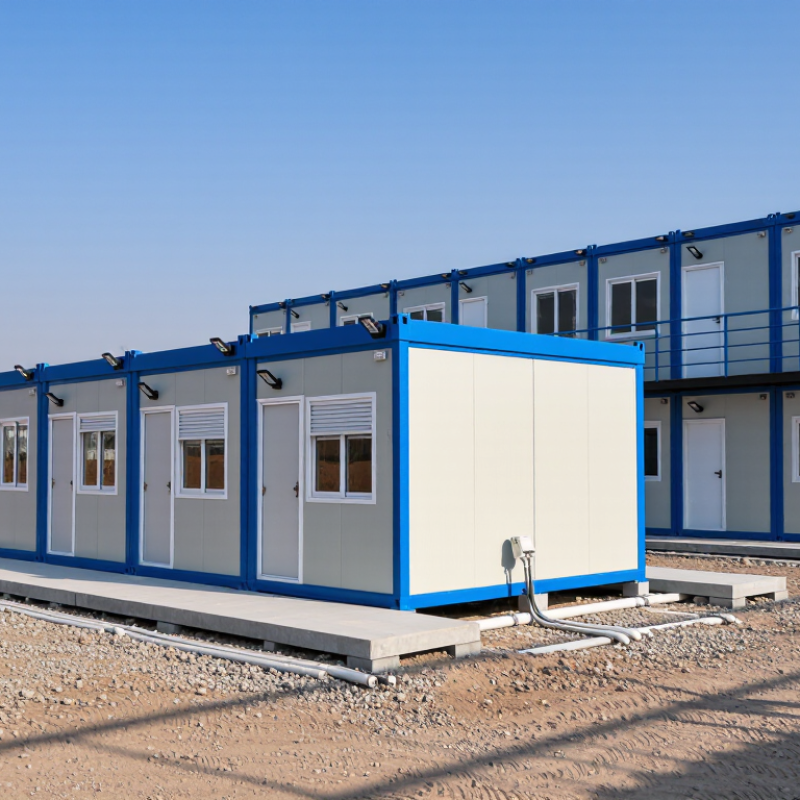
2026 Top Commercial Workforce Accommodation Units for Sale

What Commercial Workforce Accommodation Units Are and Who Uses Them

Commercial workforce accommodation units are purpose-built sleeping and living spaces for crews working away from home. They may be modular cabins, dormitory blocks, or transportable units placed near construction, energy, mining, and infrastructure projects. Typical details include bunk rooms, lockers, shared washrooms, laundry facilities, heating, and air conditioning. They are not ordinary site offices. Workers use them when daily travel is impractical or nearby housing is limited. Project managers, contractors, and operators may buy or lease units, depending on project length and crew size.

The U.S. Department of Energy’s 2024 U.S. Energy & Employment Report counted 8.35 million energy workers in 2023. That figure covers the whole sector, not only workers needing temporary lodging, but it shows the scale of a potential user group. The U.S. Census Bureau reported construction spending at a seasonally adjusted annual rate of about $2.19 trillion in December 2024. Spending alone cannot predict accommodation demand; project location and shift patterns matter. A practical check is to inspect room layouts, ventilation, cleaning access, and utility connections before purchase. A bunk can look adequate on a floor plan. Less obvious details matter too. A useful, imperfect question is whether crews can actually rest after a long shift, rather than merely fit inside.

Types of Workforce Accommodation Units Available for Purchase in 2026

2026 Top Commercial Workforce Accommodation Units for Sale

Types of Workforce Accommodation Units Available for Purchase in 2026

Commercial workforce accommodation units for sale in 2026 include relocatable cabins, modular dormitory blocks, self-contained suites, and service modules. Relocatable cabins suit short-term projects and changing site layouts. Dormitory blocks provide compact sleeping rooms, often with shared bathrooms. Self-contained suites add private bathrooms and work well for longer stays. Separate modules can house kitchens, laundries, dining areas, or site offices. Details matter.

The right type depends on crew size, project duration, climate, transport access, and available utilities. The Modular Building Institute’s 2023 Permanent Modular Construction Annual Report estimated modular construction’s share of U.S. new construction at 6.64% in 2022. McKinsey’s 2019 report, Modular Construction: From Projects to Products, projected a $130 billion U.S. and European market by 2030, with potential annual savings of $22 billion. These figures describe modular construction broadly, not accommodation sales alone.

Not every site agrees. Before purchasing, check insulation, ventilation, fire protection, plumbing capacity, and the ease of connecting units. A low purchase price may conceal costly transport or utility work; compare delivered and installed costs, not just the unit quote.

Key Features and Standards to Compare Before Buying

When comparing commercial workforce accommodation units, start with the site and expected occupancy. Check the unit’s rated wind and snow loads, insulation, fire separation, and documented compliance with locally adopted building and accessibility codes. Ask for plans showing bed spacing, clear exit routes, bathroom capacity, and ventilation equipment.

Small details matter. A door that swings into a narrow aisle can make daily use awkward.

Compare energy performance using stated insulation values, window specifications, and heating and cooling loads—not sales claims alone.

The U.S. Energy Information Administration’s 2018 Commercial Buildings Energy Consumption Survey recorded 6,826 trillion Btu of energy use across U.S. commercial buildings, making energy demand a practical purchasing consideration. For context, McKinsey’s 2019 modular construction report estimated that modular methods could cut project timelines by up to 50% and costs by up to 20%; those are potential gains, not guaranteed savings for every unit.

Request a written delivery scope, installation requirements, warranty terms, and replacement-part availability.

Test the basics. A polished sample room may hide poor sound control or difficult maintenance, so inspect a finished unit and ask staff to demonstrate access to filters, shutoffs, and electrical panels.

How to Assess Costs, Site Needs, and Long-Term Value

A workforce accommodation unit’s price is only the starting point. Compare delivery, crane access, utility connections, foundations, and internal fit-out before judging competing quotes. Ask what the price excludes. A low-cost unit may need extra insulation, heating, or plumbing once it reaches a cold, remote site. Measure twice.

Site conditions can change the budget quickly. Check turning space for delivery vehicles, ground bearing capacity, drainage, and the route to power and water. Record the number of workers, shift patterns, and expected occupancy. A unit that feels adequate on paper may become cramped when wet boots, protective clothing, and shared storage fill the entryway. Small details matter. I would also allow room for servicing equipment; that space is easy to overlook.

Long-term value depends on use, not just resale estimates. Compare expected maintenance, energy consumption, cleaning needs, and replacement parts over the planned service life. Durable surfaces and accessible plumbing can reduce repair time, especially when a unit stays occupied year-round. Ask how components can be repaired and whether the layout can adapt if staffing changes. A spreadsheet may look precise, yet assumptions about energy costs or future headcount can be wrong. State those assumptions clearly, then test a higher-cost scenario before committing.

Steps for Selecting a Suitable Accommodation Supplier

Choosing a workforce accommodation supplier starts with the site, not the sales sheet. Count workers, shifts, and expected occupancy peaks. Then confirm sleeping capacity, washroom ratios, dining space, and accessible routes. Ask for floor plans with room dimensions, not just unit totals. Small detail, big impact. A narrow aisle can slow morning movement when crews leave together.

Check how each unit will perform in local conditions. Request insulation values, ventilation details, heating or cooling capacity, and noise-control information. Ask what delivery, foundations, utility connections, installation, and commissioning include. Clarify who handles maintenance and what response times are realistic. Get warranty terms in writing. I would not treat a polished rendering as proof; drawings and specifications matter more.

Review comparable project references and speak with an operations contact, if possible. Ask about delivery delays, spare parts, cleaning access, and problems that appeared after the first month. Compare total operating costs, not only purchase price. Confirm the supplier provides manuals, training, and a clear handover package. Leave room for doubt. A supplier may answer every question neatly, yet a site visit can still reveal a missed assumption. Check measurements on the ground before ordering.

2026 Top Commercial Workforce Accommodation Units for Sale - Steps for Selecting a Suitable Accommodation Supplier

The accommodation types below are common commercial options, not a brand ranking. Capacity and specifications are indicative: confirm the final layout, occupancy limits, building requirements, and available services for the project location.

Commercial Workforce Accommodation Unit Options

Unit Type Typical Configuration Common Facilities Suitable Applications Key Checks Before Purchase
Modular sleeping block Factory-built modules joined or arranged to create accommodation blocks; room layouts and occupancy vary by design. Sleeping rooms, corridors, lighting, power, heating or cooling provisions, and optional shared facilities. Construction projects, industrial sites, remote work camps, and phased workforce expansions. Confirm transport dimensions, connection details, fire and egress provisions, insulation, and whether the design meets local building and occupancy requirements.
Containerized accommodation unit Accommodation fitted within a transportable container-style frame; single or multiple units can be arranged on site. Depending on the specification: sleeping space, basic electrical fit-out, windows, insulation, and optional bathroom facilities. Temporary sites where transportability and straightforward placement are important. Check usable internal dimensions, thermal performance, ventilation, corrosion protection, lifting points, and the site’s foundation and utility needs.
Portable accommodation cabin Self-contained cabin supplied in a range of footprints, with the internal layout selected for the project. May include sleeping or office space, electrical outlets, lighting, windows, and optional washroom fit-out. Smaller work sites, short-term projects, and additional rooms near an existing facility. Ask for floor plans, installed equipment details, applicable transport limits, weather-resistance information, and the scope of installation work.
Expandable accommodation unit Transportable unit designed to open or expand at the destination to provide additional usable floor area. Layout-dependent sleeping or living areas, with optional electrical, plumbing, and climate-control systems. Sites that need a compact transport format but require more space after installation. Verify the deployed footprint, setup procedure, required crew and equipment, weather-sealing details, and any limits on relocation or repeated deployment.
Sanitary or ablution block Dedicated modular facility sized and fitted for the expected number of users and site operating pattern. Depending on design: toilets, showers, wash basins, partitions, ventilation, and plumbing connections. Work camps and sites that need separate or centralized washing and toilet facilities. Confirm fixture count, water supply and drainage requirements, hot-water capacity, cleaning access, accessibility provisions, and local sanitation rules.
Dining or kitchen module Dedicated module for meal preparation, food service, or dining; equipment and seating depend on the project brief. May include food-preparation areas, sinks, serving space, seating, ventilation, and electrical or fuel connections. Projects providing on-site meals or shared dining facilities for workers. Review utility loads, ventilation and fire-safety provisions, food-service requirements, equipment exclusions, and the planned number of meal users.

Steps for Selecting a Suitable Accommodation Supplier

Step What to Define or Request Why It Matters Evidence to Review
1. Define workforce needs Expected occupancy, room arrangements, project duration, site location, privacy needs, and plans for future expansion. A clear brief helps suppliers propose comparable layouts and avoid unsuitable capacity assumptions. Written project brief, occupancy schedule, and preferred accommodation plan.
2. Confirm site conditions Access roads, delivery and lifting constraints, ground conditions, available utilities, drainage, and installation space. Transport, foundations, and service connections can affect feasibility and total project cost. Site survey, access details, utility information, and an installation plan.
3. Check compliance responsibilities Applicable local building, fire, electrical, plumbing, accessibility, sanitation, and worker-accommodation requirements. Requirements vary by location and use; responsibilities should be clear before an order is placed. Relevant product documents, design information, inspection records, and a written allocation of permitting responsibilities.
4. Compare like-for-like proposals Unit quantities, floor plans, included fixtures, finishes, delivery, installation, utility connections, and exclusions. A low initial price may omit services or equipment needed to make the units operational. Itemized quotations, scope of supply, drawings, delivery terms, and a list of exclusions.
5. Evaluate durability and performance Structural design, insulation, ventilation, weather protection, corrosion resistance, and expected maintenance needs. Performance should suit the site climate, frequency of use, and intended service life. Material and specification sheets, warranty terms, maintenance guidance, and relevant test or inspection documentation.
6. Verify delivery and support Production schedule, transport plan, installation resources, commissioning, spare parts, and after-sales response arrangements. Reliable delivery and support help reduce delays during deployment and operation. Project schedule, delivery milestones, service terms, support contacts, and references for comparable projects where available.
7. Review total cost and contract terms Purchase price, freight, site preparation, installation, utilities, maintenance, payment milestones, and warranty coverage. Total ownership cost and clearly defined responsibilities support a more informed supplier decision. Itemized total-cost estimate, contract, warranty document, delivery terms, and acceptance criteria.

FAQS

What are commercial workforce accommodation units?

They are purpose-built sleeping and living spaces for crews working away from home. Units may include bunk rooms, lockers, shared washrooms, laundry facilities, heating, and air conditioning.

Who typically uses these units?

Contractors, project managers, and operators may use them when daily travel is impractical or nearby housing is limited. They are common near construction, energy, mining, and infrastructure projects.

What should I inspect inside a unit?

Check room dimensions, ventilation, washrooms, laundry access, and utility connections. Look at the entryway too. Wet boots and work clothing can quickly crowd shared storage.

How do I compare the real cost of different units?

Include delivery, crane access, foundations, utility connections, and internal fit-out. Ask what each quote excludes. A low purchase price may leave costly work for the site.

What site conditions should I check before delivery?

Confirm vehicle turning space, ground capacity, drainage, and routes to power and water. Measure twice. Allow room for servicing equipment, which is easy to overlook.

How can I tell whether a unit will suit the crew?

Record worker numbers, shifts, and peak occupancy. Check sleeping capacity, washroom ratios, dining space, and accessible routes. A floor plan can look fine but feel cramped during busy shifts.

Which specifications should I request from a supplier?

Ask for insulation values, ventilation details, heating or cooling capacity, and noise-control information. Request delivery and installation details, written warranty terms, manuals, and maintenance arrangements.

How can I assess long-term value?

Compare maintenance, energy use, cleaning needs, and replacement parts over the planned service life. Test a higher-cost scenario. Future energy costs and staffing levels may be uncertain.

Are supplier references and drawings enough to confirm suitability?

They help, but they may not reveal every problem. Ask about delays, spare parts, and issues after the first month. Check measurements on the ground before ordering.

Conclusion

Commercial workforce accommodation units provide practical, temporary or long-term housing for employees working at remote sites, construction projects, industrial facilities, and other locations where nearby accommodation is limited. In 2026, buyers can choose from modular cabins, portable dormitories, container-style units, and larger multi-room buildings. The right option depends on workforce size, expected length of use, available space, and the level of privacy and shared facilities required.

Before purchasing, compare construction quality, insulation, ventilation, sleeping capacity, bathrooms, fire-safety provisions, accessibility, and ease of transport and installation. Assess the total cost, including delivery, site preparation, utility connections, maintenance, and potential resale or reuse value. A careful site review can help confirm access, ground conditions, space, and service requirements. Finally, evaluate suppliers by reviewing product specifications, warranties, customization options, delivery timelines, and after-sales support to select accommodation that fits both current needs and future plans.

Nathaniel

Nathaniel

Nathaniel is a dedicated marketing professional who combines strategic insight, clear communication, and extensive knowledge of the company’s products and services. With a strong understanding of customer needs, market trends, and practical product applications, he creates informative content that......