Market Intelligence & Horizon Analysis Future Procurement Trends in Disaster Relief Housing
As extreme weather events increase in frequency and emergency budgets face heightened public scrutiny, global disaster response agencies are shifting their procurement strategies toward standardized, reusable, and structural modular assets.
1. Paradigm Shift From Disposable Tents to Circular Structural Assets
Historically, relief agencies relied heavily on soft canvas tents or lightweight plastic tarps during emergency deployments. However, empirical post-disaster assessments reveal that soft structures deteriorate rapidly under prolonged sun exposure, leak under torrential rains, offer zero security against theft or physical violence, and generate thousands of tons of non-recyclable landfill waste annually.
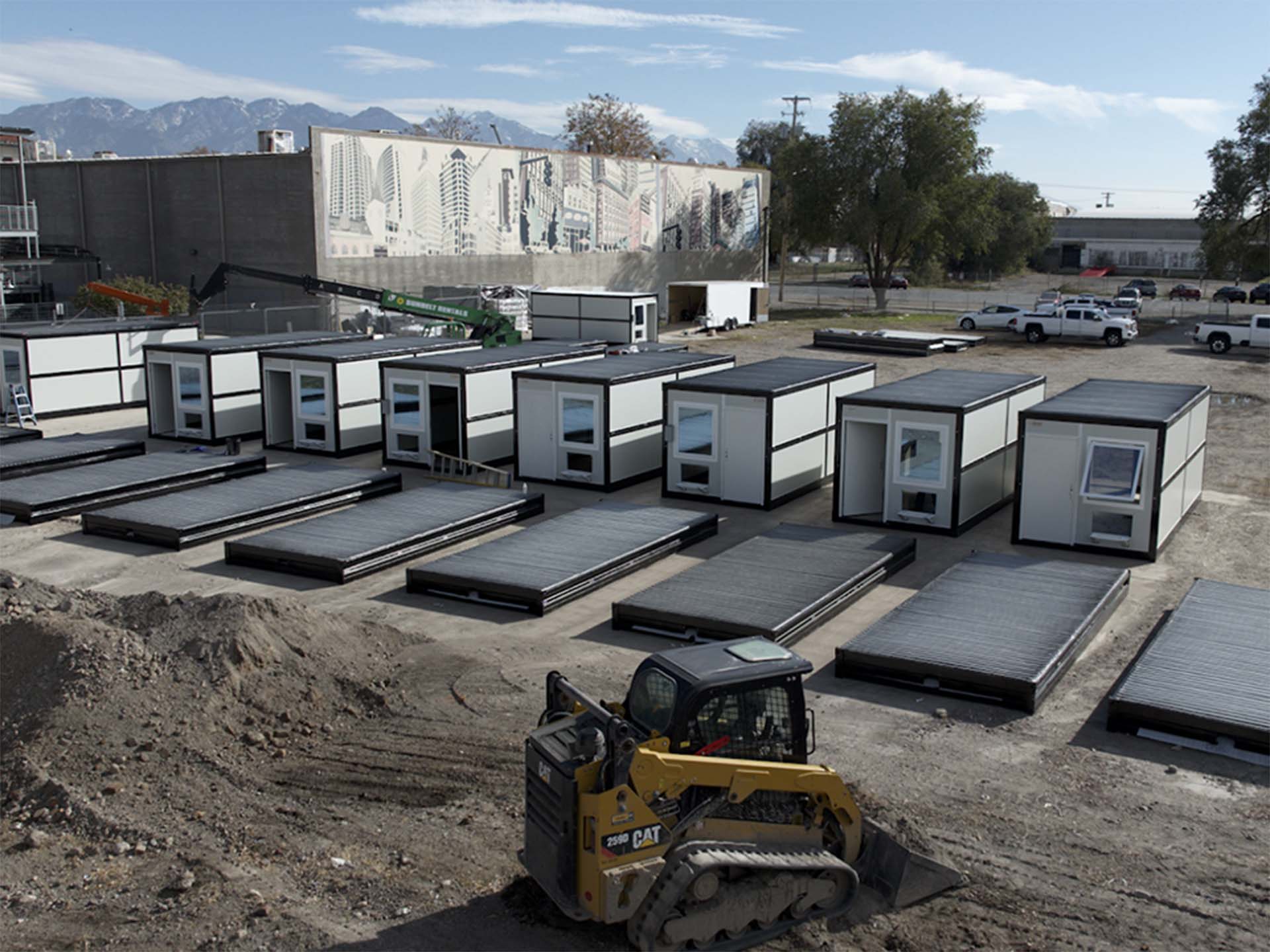
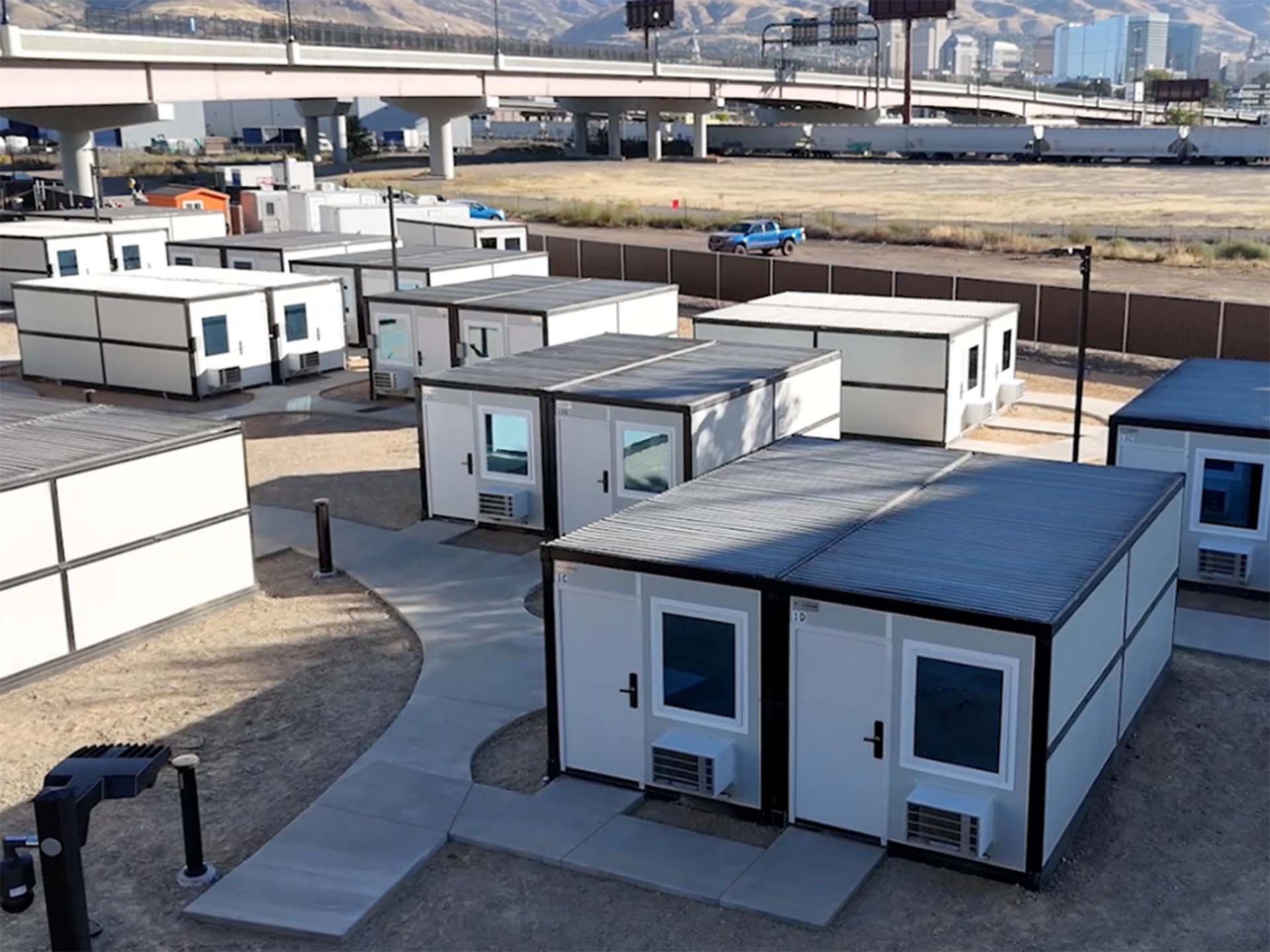
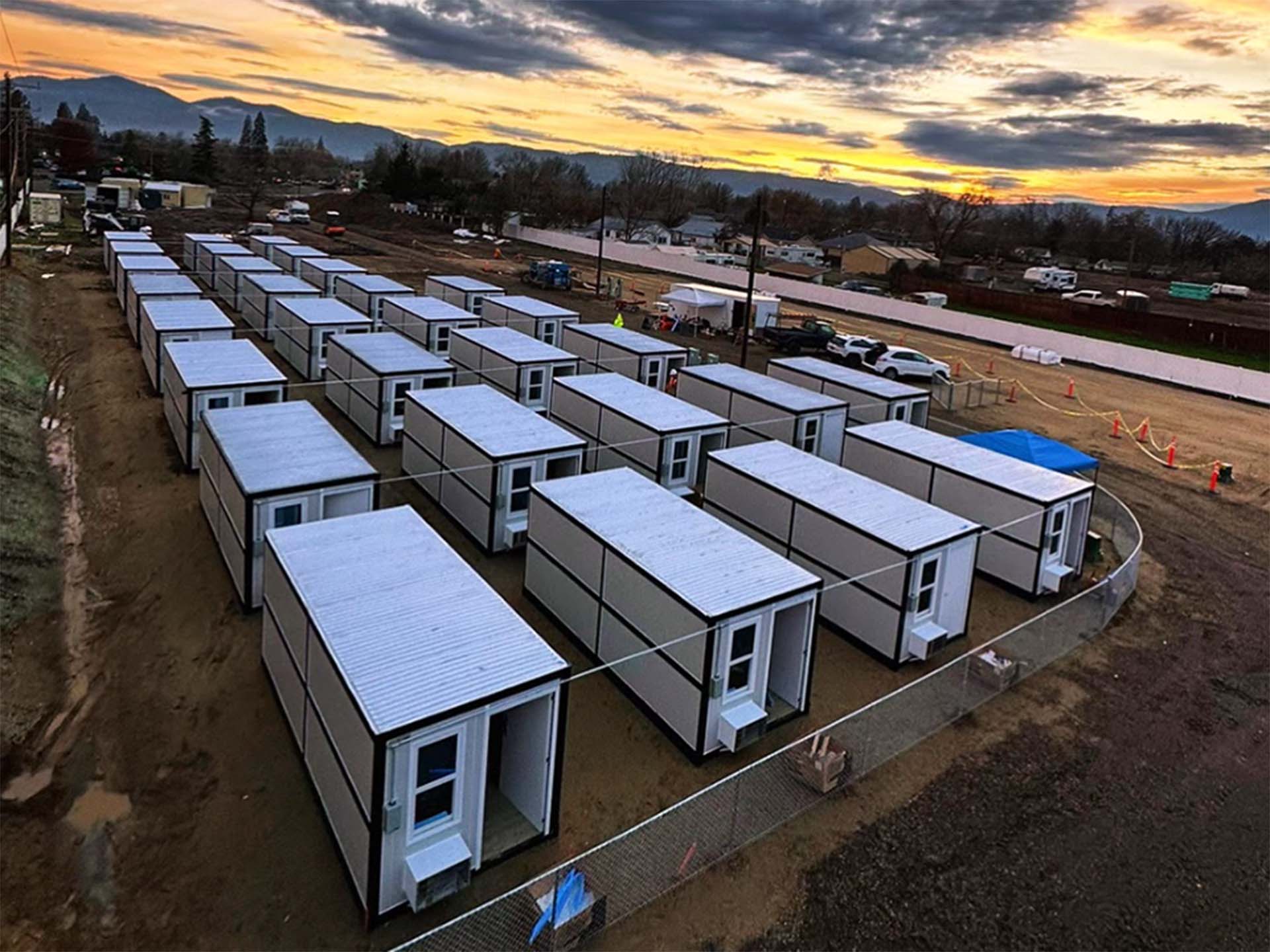
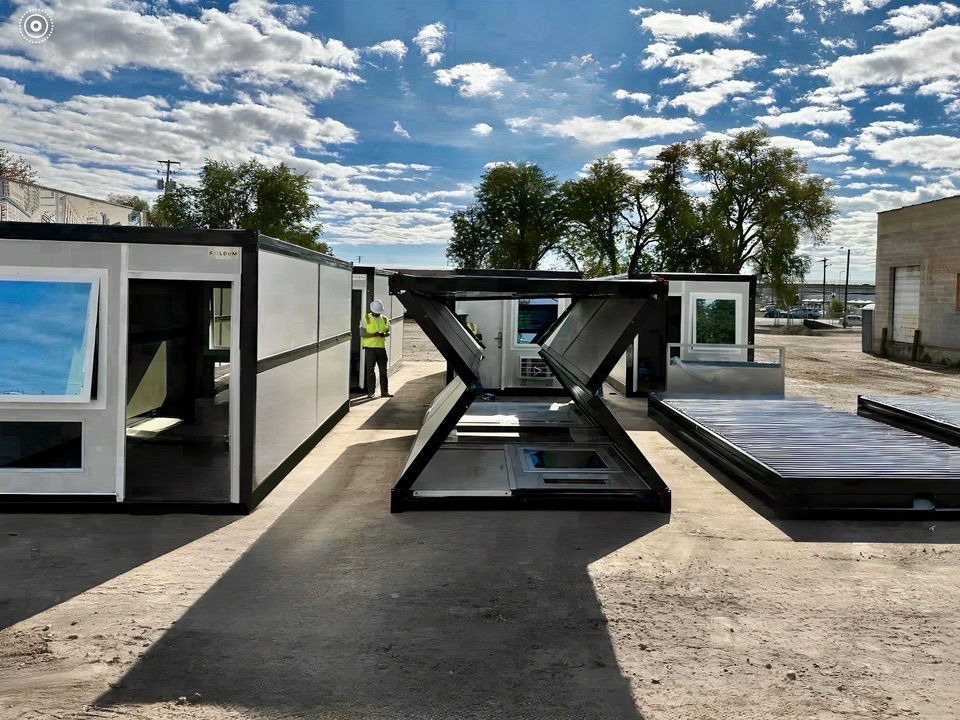
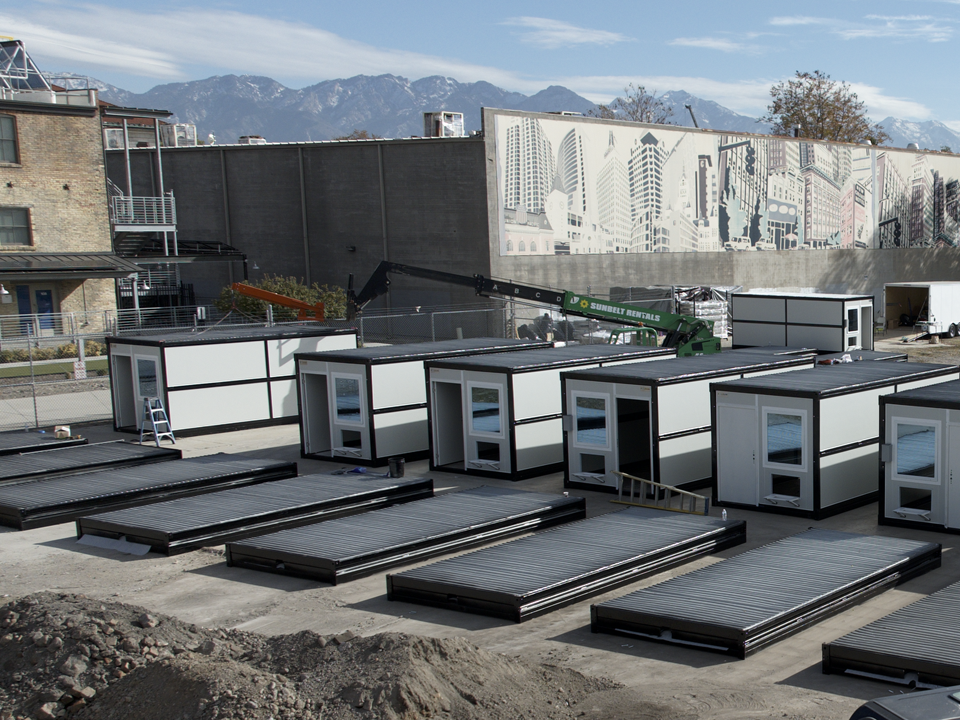
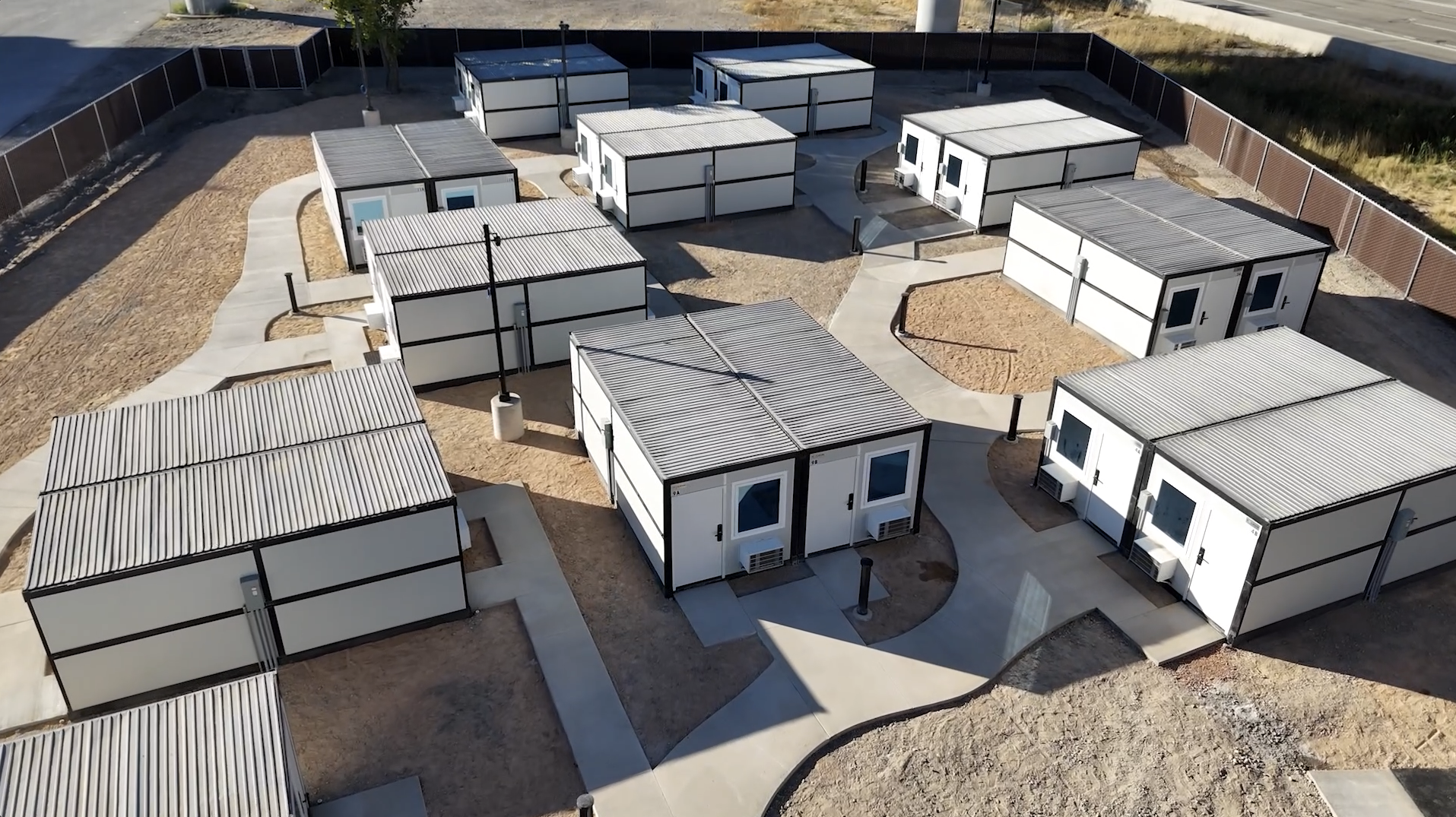
Modern procurement frameworks under FEMA, UNHCR, and European Civil Protection mandates prioritize circular disaster assets—shelters crafted from hot-dipped galvanized steel that can be deployed for 12 to 36 months, disassembled without structural degradation, flat-packed back to 18-inch profiles, and re-staged in regional emergency warehouses for future deployment cycles.
2. Hyper-Dense Freight Logistics as a Core Procurement Criterion
During the critical first 72 hours of a disaster response, transport corridors are severely compromised by debris, damaged bridges, and fuel shortages. Shipping low-density rigid structures or fully assembled box containers wastes invaluable cargo space, requiring dozens of flatbed trucks or cargo flights for minimal occupant capacity.
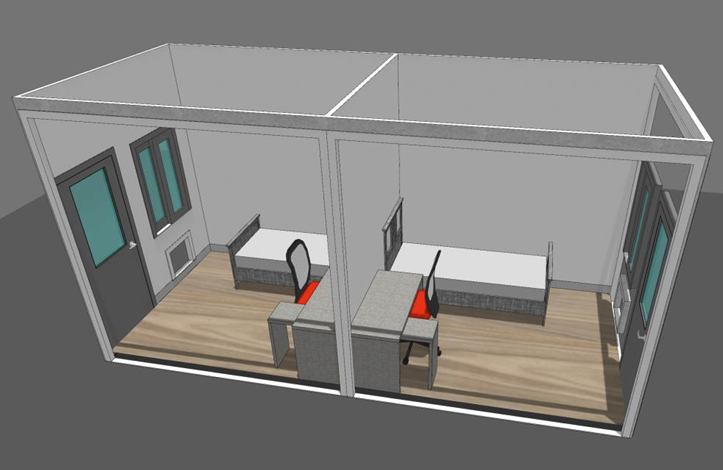
Procurement specifications now explicitly mandate high-density shipping metrics. Foldum’s capability to load 10 fully functional micro-shelters per standard flatbed truck represents the benchmark for modern emergency logistics. By maximizing cubic transport efficiency, municipal programs drastically lower freight surcharges, reduce carbon emissions, and accelerate on-site capacity expansion.
3. Mandatory Environmental Integration: Off-Grid Microgrids & Zero Site Footprint
Disaster zones frequently experience severe electrical grid collapse and municipal water line destruction. Future procurement tenders increasingly mandate that emergency relief units must possess modular "plug-and-play" utility interfaces.
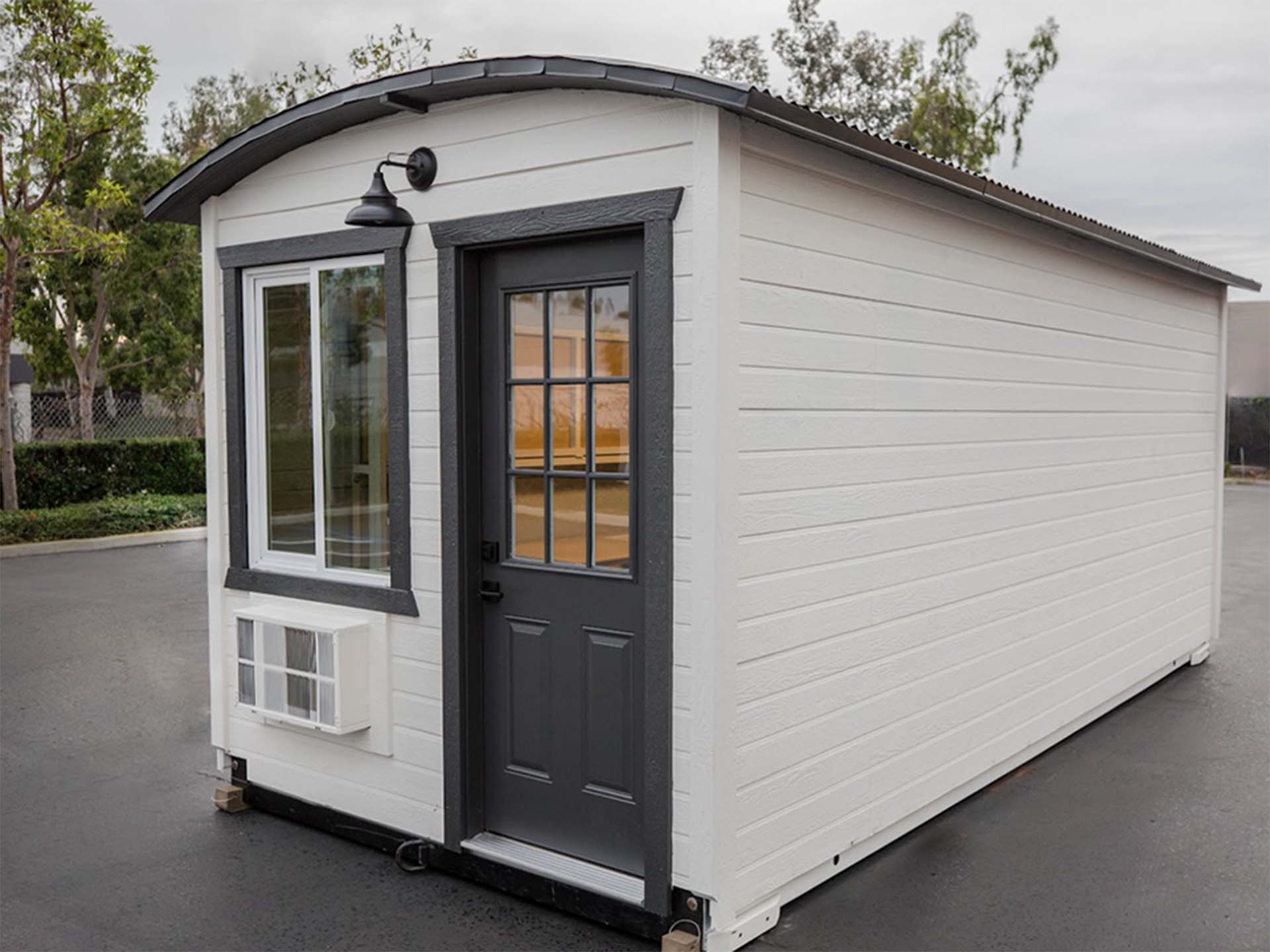
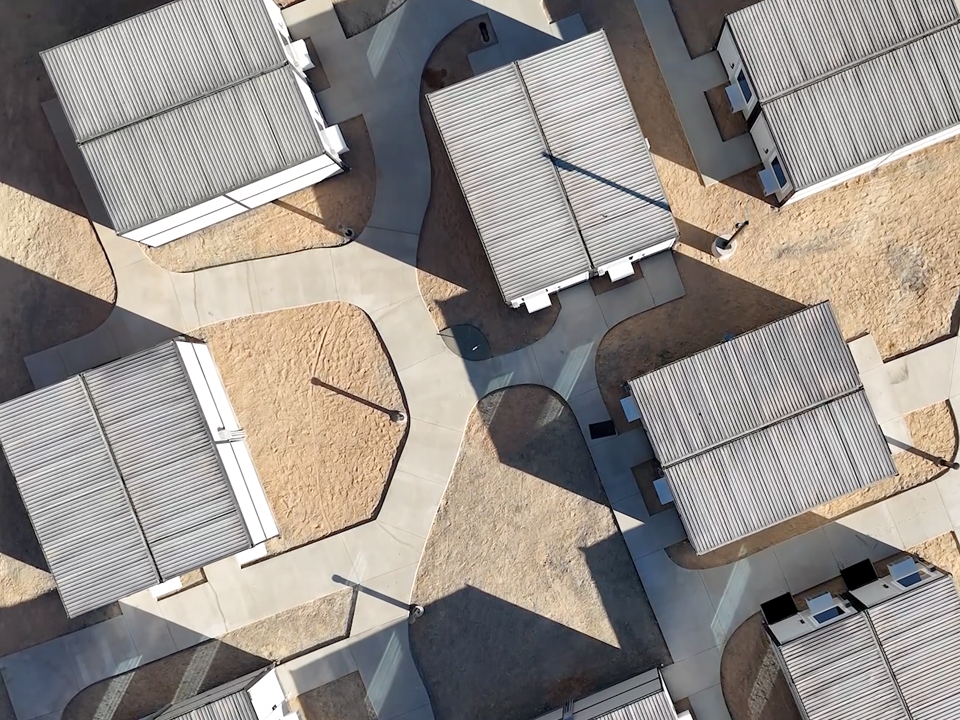
Foldum micro-shelters are pre-wired for seamless coupling with portable solar photovoltaic arrays, exterior battery storage banks, and closed-loop greywater filtration systems. Furthermore, land-use regulations require temporary disaster camps to leave a zero environmental footprint upon decommissioning, eliminating expensive post-deployment site remediation costs for municipal government partners.
4. Integrated Phased Housing Models (Transitional-to-Permanent Pipeline)
Forward-thinking emergency management directors are abandoning fragmented procurement pipelines where emergency sheltering and permanent reconstruction operate in complete isolation. Instead, cities are adopting integrated housing pipelines.
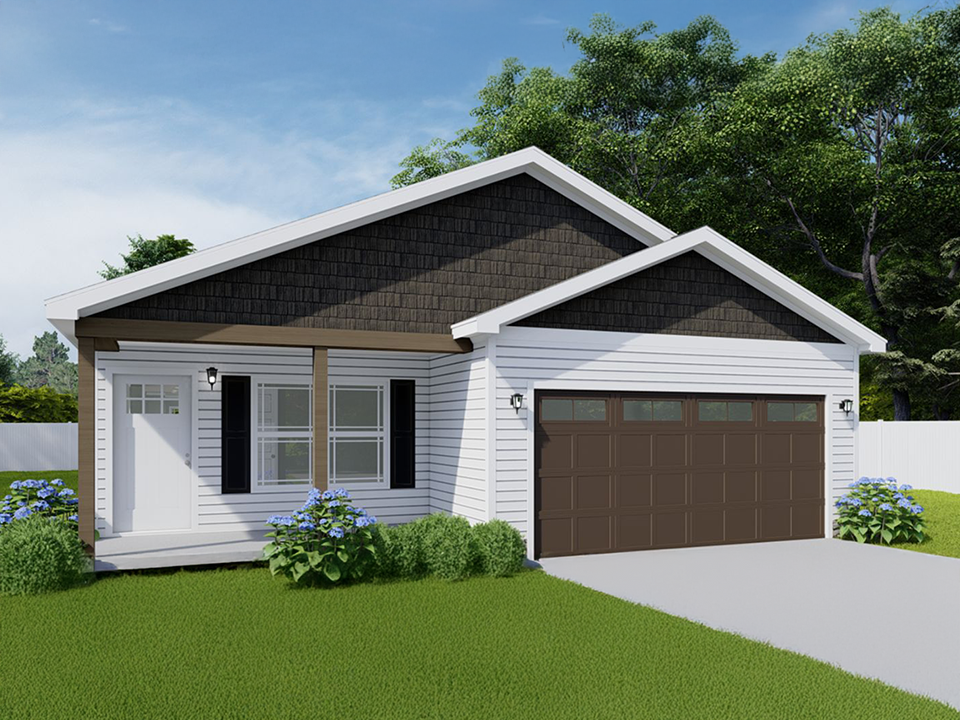
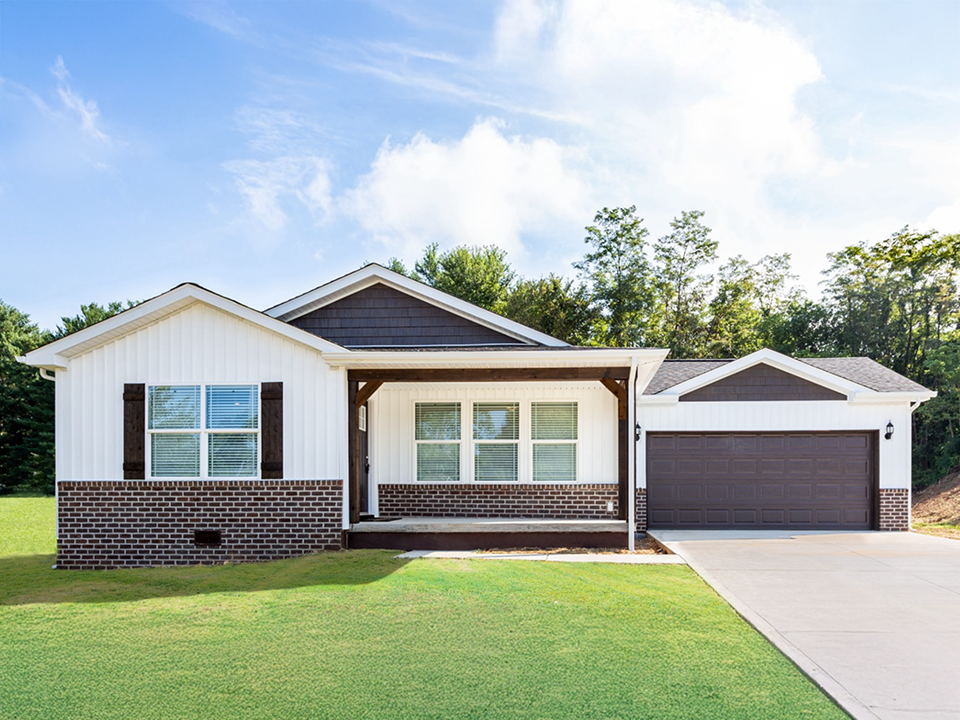
By pairing immediate 18-inch flat-pack micro-shelters with permanent off-site HUD-compliant prefabricated housing, government buyers establish a continuous recovery continuum. Displaced residents transition seamlessly from rapid emergency micro-shelters directly into permanent, energy-efficient homes eligible for conventional 30-year mortgages, preserving community cohesion and speeding economic recovery.