Blog

China Top 10 Rapid Deploy Temporary Micro Shelters?

China Top 10 Rapid Deploy Temporary Micro Shelters?

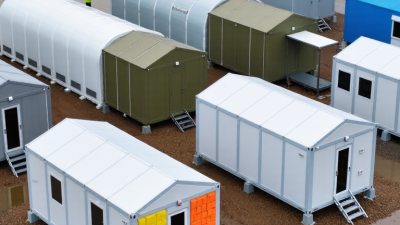
China Top 10 Rapid Deploy Temporary Micro Shelters? This guide examines how leading Chinese suppliers approach urgent, compact, and adaptable shelter solutions. Rapid-deploy temporary micro-shelters can serve disaster relief teams, construction crews, medical units, event staff, and remote workers. The best models are not judged by speed alone. We will examine deployment time, folded dimensions, structural stability, insulation, waterproofing, ventilation, fire resistance, and repair access. Practical details matter. A shelter that unfolds quickly but overheats at noon is not a complete solution. Nabeel Hamdi, an architect, planner, and author of Housing Without Houses, stated, “Housing is a process, not a product.” His principle remains useful here. Temporary shelters should support dignity, safety, and changing human needs. A compact unit must still allow practical sleeping space, safe entry, lighting, and basic privacy. This ranking also considers manufacturing consistency, material transparency, customization, delivery capacity, and after-sales support. Some suppliers present impressive specifications, yet independent testing may be limited. That weakness deserves attention. Product brochures cannot replace field performance. We will compare shelter systems using realistic scenarios, including cold mornings, heavy rain, uneven ground, repeated assembly, and long-distance transport. Photographs may look persuasive. Hands-on evaluation is more revealing. The final selection may not satisfy every buyer, because emergency agencies, contractors, and private users need different priorities. Still, this overview offers a clearer starting point for evaluating China’s Rapid-deploy temporary micro-shelters market with greater care and professional judgment.
Read more »

Evelyn By:Evelyn - September 23, 2026
7 Tips for Buying HUD Compliant Manufactured Homes

7 Tips for Buying HUD Compliant Manufactured Homes

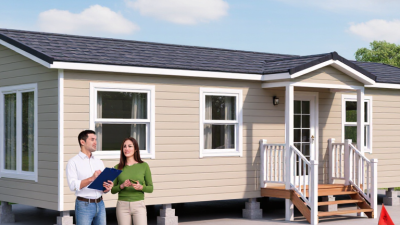
Buying a manufactured home can offer practical space, modern features, and a lower entry price than many site-built houses. However, the purchase involves more than choosing attractive cabinets or a wide floor plan. HUD-compliant manufactured homes must meet federal construction and safety standards, and buyers should verify that compliance before signing a contract. This guide introduces seven practical tips for evaluating a home with greater confidence. You will learn how to check the HUD certification label, review the home’s data plate, and compare installation requirements. These small documents can reveal important details about wind, snow, and thermal-zone standards. Details matter. You should also examine the foundation, drainage, utility connections, and transportation costs. A home may look affordable until site preparation adds thousands of dollars. Experienced buyers often inspect the roof, plumbing fixtures, electrical panel, doors, and visible seams. An independent inspector can notice problems that a quick showroom visit misses. That professional review is worth considering, even when the home is new. Do not guess. Ask the dealer for written warranty terms, delivery responsibilities, and repair procedures. Confirm financing conditions with a qualified lender, because manufactured-home loans can differ from conventional mortgages. Local rules may affect placement, permits, taxes, and utility connections. Requirements vary by location. This guide cannot replace advice from licensed inspectors, lenders, or local officials. It can, however, help you ask sharper questions and avoid rushed decisions. Some buyers focus too heavily on monthly payments. A better review includes the total cost, the land, future maintenance, and your long-term plans.
Read more »
Amelia By:Amelia - September 23, 2026
What Are the Top Flat Pack Emergency Shelter Types 2026?

What Are the Top Flat Pack Emergency Shelter Types 2026?

What Are the Top Flat Pack Emergency Shelter Types 2026? This question matters when a family needs privacy, warmth, and safety within hours. Flat-pack emergency shelters are designed for rapid transport, straightforward assembly, and repeated field use. Their panels may arrive stacked on pallets, while insulated floors reduce contact with wet ground. Some models use sandwich panels. Others combine aluminum frames with durable fabric skins. Architect Shigeru Ban has said, “I don’t want to be a famous architect. I want to be a useful architect.” That principle remains valuable here. A shelter should not merely look innovative. It should work during rain, cold nights, crowded distribution sites, and difficult relocations. This overview examines insulated panel shelters, modular family units, expandable medical shelters, and lightweight transitional housing. It also considers assembly time, ventilation, fire resistance, accessibility, storage volume, and repair demands. Real conditions expose weak assumptions. A shelter may assemble quickly, yet fail when doors warp or ventilation is ignored. A compact design may save shipping space, but leave little room for bedding and supplies. These trade-offs deserve honest attention. Local climate and community preferences also influence performance. There is no universal winner. The strongest 2026 options balance dignity with logistics. They protect occupants without creating unnecessary complexity. Field experience, independent testing, and transparent manufacturer data should guide every comparison. Even then, uncertainty remains. That is why practical evaluation matters more than impressive product images.
Read more »
Evelyn By:Evelyn - September 23, 2026