
0%

Buying a manufactured home can offer practical space, modern features, and a lower entry price than many site-built houses. However, the purchase involves more than choosing attractive cabinets or a wide floor plan. HUD-compliant manufactured homes must meet federal construction and safety standards, and buyers should verify that compliance before signing a contract.

This guide introduces seven practical tips for evaluating a home with greater confidence. You will learn how to check the HUD certification label, review the home’s data plate, and compare installation requirements. These small documents can reveal important details about wind, snow, and thermal-zone standards. Details matter. You should also examine the foundation, drainage, utility connections, and transportation costs. A home may look affordable until site preparation adds thousands of dollars.

Experienced buyers often inspect the roof, plumbing fixtures, electrical panel, doors, and visible seams. An independent inspector can notice problems that a quick showroom visit misses. That professional review is worth considering, even when the home is new. Do not guess. Ask the dealer for written warranty terms, delivery responsibilities, and repair procedures. Confirm financing conditions with a qualified lender, because manufactured-home loans can differ from conventional mortgages.

Local rules may affect placement, permits, taxes, and utility connections. Requirements vary by location. This guide cannot replace advice from licensed inspectors, lenders, or local officials. It can, however, help you ask sharper questions and avoid rushed decisions. Some buyers focus too heavily on monthly payments. A better review includes the total cost, the land, future maintenance, and your long-term plans.
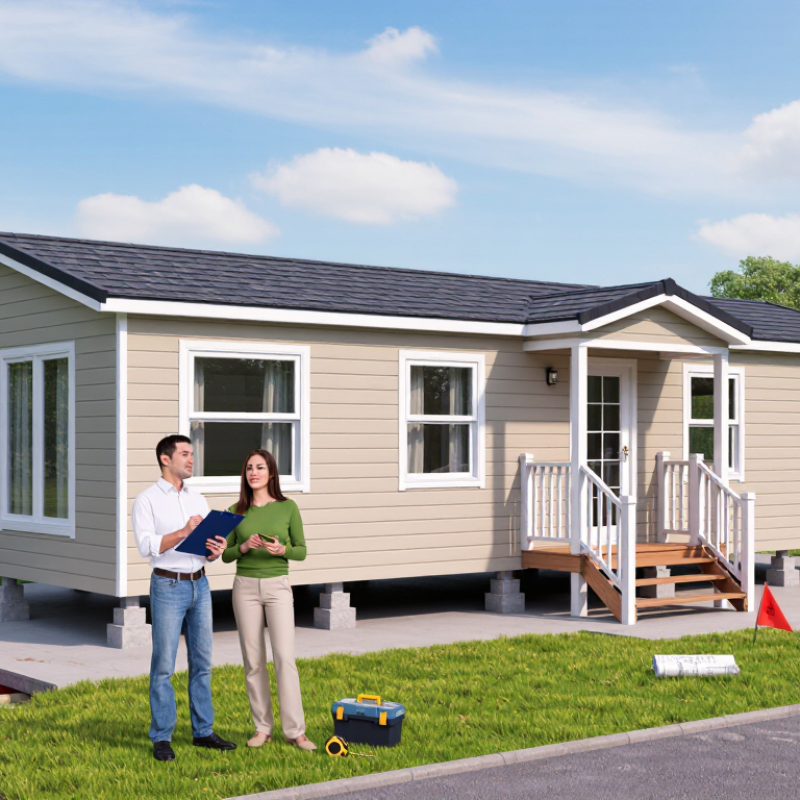
7 Tips for Buying HUD Compliant Manufactured Homes

Define HUD Compliance Under the 1974 Manufactured Home Construction Code

When buyers hear “HUD compliant,” they often picture a quality seal. The term has a precise meaning. Congress passed the Manufactured Housing Construction and Safety Standards Act in 1974. However, the federal HUD Code took effect on June 15, 1976. A common mistake is calling it the “1974 Code.” The year 1974 identifies the law, not the effective construction standard.

A compliant home should have HUD certification labels near the exterior corners. It should also include a data plate inside, often near a kitchen cabinet or electrical panel. Check the serial number, wind zone, roof-load information, and heating requirements. These details should match the home’s location and proposed installation site. The standards cover structural design, fire safety, plumbing, electrical systems, and energy efficiency.

Installation matters too. A home may meet federal standards when manufactured, yet perform poorly after improper setup. Inspect the foundation supports, tie-downs, drainage, ventilation, and utility connections. Ask for installation records and permits. Local requirements can still affect placement, even when the home carries HUD labels. An independent inspector can identify missing labels, altered framing, or moisture damage. Do not rely on appearance alone. Some concerns are easy to overlook, especially beneath floors or around roof penetrations.

Verify the HUD Certification Label and 24 CFR Part 3280 Records

Tip 1: Locate the HUD certification label before discussing price. It is usually a small metal plate attached to the home’s exterior. Each section should have its own label and unique number. Photograph every label clearly, including damaged or faded plates. A missing label is not automatic proof of a problem, but it requires careful verification.

Tip 2: Compare the label numbers with the home’s documents. Request the manufacturer’s certificate, construction records, and any available records referencing 24 CFR Part 3280. This federal standard covers manufactured home design, construction, and safety requirements. Do not rely on a sales sheet alone. Ask a qualified inspector or the relevant state housing agency to confirm questionable details. Records may be incomplete, which is an uncomfortable but common issue.

Tip 3: Check that the home’s model, serial number, floor plan, and construction date match the paperwork. Walk through the home slowly. Look for altered walls, replaced windows, or additions that may not appear in original records. A compliance label confirms construction standards, not every later modification. I have learned that neat paperwork can still hide gaps. Keep copies of photographs, written replies, and inspection findings before signing anything. That small file can make future reviews much easier.

7 Tips for Buying HUD Compliant Manufactured Homes - Verify the HUD Certification Label and 24 CFR Part 3280 Records

Tip Verification Focus What to Check Before Purchase Documents or Physical Evidence Acceptable Finding
1 Locate the HUD Certification Label Inspect the exterior of each transportable section. Look for the permanently affixed HUD Certification Label, commonly called the HUD seal. A metal certification plate showing the applicable HUD certification information and a unique label number for the section. Every section has a legible label that is securely attached and appears consistent with the home’s configuration.
2 Match Label Numbers to Records Record every label number and compare it with the home’s purchase documents, data plate information, and available federal or state records. Written label numbers, photographs, the home’s serial number, and supporting ownership or installation paperwork. The numbers match across the physical home and the available documentation; unexplained mismatches are resolved before closing.
3 Review 24 CFR Part 3280 Compliance Confirm that the home was constructed to the federal Manufactured Home Construction and Safety Standards in 24 CFR Part 3280, including applicable requirements for structure, fire safety, plumbing, mechanical systems, and electrical systems. The HUD label, manufacturer documentation, inspection records, approved design information, and records of authorized alterations or repairs. The home has evidence of certification, and no unapproved modification is known to compromise the applicable federal standards.
4 Check the Data Plate and Construction Information Find the interior data plate, often located near the main electrical panel, in a kitchen cabinet, or in a bedroom closet. Review design zone information, roof-load information, wind zone information, heating and cooling data, and factory-installed options. A legible data plate and accompanying documentation identifying the home’s manufactured sections, original specifications, and applicable climate or design zones. The data plate is present and legible, and the home’s current location and installed features are compatible with the stated design information.
5 Verify Alterations and Additions Inspect additions, porches, decks, roof changes, wall openings, electrical work, plumbing changes, HVAC replacements, and structural repairs. Ask whether the work was approved and inspected under applicable requirements. Permits, inspection approvals, engineering documents where required, receipts, and records describing work performed after the home left the factory. Alterations are documented and do not conceal damage, remove required safety features, or interfere with the home’s certified construction.
6 Inspect Installation and Site Conditions Have a qualified inspector examine the foundation or support system, anchoring, tie-downs, marriage-line connections, utility connections, drainage, and evidence of settlement or water intrusion. Installation instructions, site inspection reports, foundation or anchoring documents, permits, and photographs of support and connection points. The home is installed according to applicable installation requirements and local approvals, with no significant unresolved structural, moisture, or utility defect.
7 Make the Contract Contingent on Verification Include written conditions requiring satisfactory review of the HUD label, data plate, 24 CFR Part 3280 compliance records, title history, permits, inspection results, and financing or insurance requirements. A signed purchase agreement, disclosure forms, inspection contingency, document-delivery deadline, and provisions for correction or cancellation if material records are missing. The buyer can obtain and review essential records before becoming fully committed, with unresolved compliance issues clearly assigned for correction.

Important: The HUD Certification Label confirms certification under the federal manufactured housing standards at the time of construction; it is not a substitute for a current professional inspection, local permit review, title verification, or assessment of later alterations.

Match Wind, Snow, and Thermal Zones to the Home’s Installation Site

Before buying a HUD-compliant manufactured home, match its design zones to the installation site. HUD’s Manufactured Home Construction and Safety Standards, 24 CFR §3280.305, classify wind zones by regional design speed: approximately 70 mph for Zone I, 80 mph for Zone II, and 90 mph for Zone III. A home approved for Zone I may require different engineering for a coastal or hurricane-prone location. Check the home’s data plate, local wind map, anchoring plan, and foundation requirements before signing.

Snow and thermal conditions matter just as much. Local officials use ground snow loads, not just the number of snowy days, to evaluate roof and foundation demands. The ASCE 7 structural-load standard provides regional snow-load data used by building professionals. Elevation can also change the result. Do not rely on a neighboring property’s setup. It may have different soil, exposure, or permits.

Thermal zones affect insulation, windows, floors, and duct placement. HUD’s thermal-zone requirements are based on heating degree days, while the U.S. Department of Energy’s 2021 IECC climate-zone map provides additional local guidance. Ask for the installation manual and verify insulation levels with the contractor. Small gaps around ducts can waste energy. Easy to overlook. A careful buyer should confirm the site-specific wind, snow, and thermal requirements in writing, even when the sales paperwork appears complete.

Assess Energy Efficiency Using HUD’s 2022 Energy Standards

HUD’s 2022 Energy Standards make energy performance a practical buying issue, not a sales slogan. The updated requirements draw on the 2021 International Energy Conservation Code and modern building-science methods. DOE’s Pacific Northwest National Laboratory estimated that the 2021 code could reduce residential energy costs by about 8% compared with the 2018 code, depending on climate. Savings vary. Poor installation can erase them.

Ask for the home’s insulation R-values, window U-factors, duct-sealing details, and heating equipment efficiency. Check the belly insulation beneath the floor, especially near plumbing openings. Look for crushed insulation, loose skirting, or ducts resting on the ground. The U.S. Energy Information Administration’s 2020 Residential Energy Consumption Survey reports that space heating uses about 42% of household energy, while water heating uses roughly 19%. Air leakage matters too. A tight envelope should still include controlled ventilation. Request compliance documentation and the installation manual. An independent inspector can use infrared imaging or a blower-door test where appropriate. These tests cost money, but guessing may cost more over several winters. A perfect checklist does not exist; climate, site orientation, and occupant habits still change the final utility bill.

7 Tips for Buying HUD-Compliant Manufactured Homes: Assess Energy Efficiency Using HUD’s 2022 Energy Standards

Climate zone is a key factor when evaluating a manufactured home. The chart compares prescriptive minimum insulation R-values for ceilings and floors across U.S. climate-zone groups referenced by HUD’s energy requirements and the 2021 IECC framework. Higher R-values generally indicate greater resistance to heat flow, but actual efficiency also depends on windows, air sealing, ductwork, equipment, and installation quality.

Data basis: 2021 IECC prescriptive insulation values commonly used in HUD’s 2022 manufactured-housing energy framework. Values are minimum R-values: ceiling and floor insulation. Confirm the applicable climate zone and the home’s certification documents before purchase.

Compare Total Costs, Financing, Warranties, and Installation Requirements

7 Tips for Buying HUD Compliant Manufactured Homes

Compare Total Costs, Financing, Warranties, and Installation Requirements

A HUD-compliant home follows federal construction standards, but it is not automatically site-ready. The U.S. Census Bureau’s 2023 Manufactured Housing Survey placed the average new-home price near $130,000. That figure generally excludes land, transport, foundation work, permits, and utility connections. Request an itemized estimate. Include grading, drainage, septic systems, hookups, skirting, steps, taxes, insurance, and possible lot rent. Compare at least two installation bids. A low sticker price can become expensive quickly. I would keep a contingency fund, because soil conditions often surprise even careful buyers.

Financing can change the purchase dramatically. The Consumer Financial Protection Bureau reports that chattel loans commonly carry higher rates and shorter terms than mortgages. Compare the annual percentage rate, loan length, down payment, fees, late charges, and prepayment rules. Ask whether the loan covers land and installation. It may not. Review the written warranty for structural components, plumbing, electrical systems, appliances, transportation, and installation. Confirm who handles repairs and the response timeline. HUD standards do not replace a complete warranty.

Installation rules also vary by state and local authority. Verify anchoring, foundation, setbacks, wind-zone requirements, and required inspections before delivery. A qualified inspector should examine the home before final payment. My checklist still might miss a local fee. That is why written confirmation matters.

FAQS

What does compliance with the federal manufactured-home code mean?

It means the home met federal construction and safety standards when manufactured. The standards cover structure, fire safety, plumbing, electrical systems, and energy efficiency.

Is the code called the “1974 Code”?

Not exactly. Congress passed the related law in 1974. The federal construction standard took effect on June 15, 1976.

Where should I look for certification information?

Check for certification labels near the exterior corners. Look for the data plate inside, often near a kitchen cabinet or electrical panel.

What details should the data plate show?

Check the serial number, wind zone, roof-load information, and heating requirements. These details should match the planned installation location.

Can a compliant home still have installation problems?

Yes. Poor setup can cause serious performance problems. Inspect supports, tie-downs, drainage, ventilation, and utility connections.A clean exterior proves little.

How do I check whether the home fits the local wind conditions?

Compare the home’s wind zone with local design requirements. Review the data plate, wind map, anchoring plan, and foundation specifications.

What should I know about snow loads?

Local officials consider ground snow loads, not simply snowy days. Elevation, soil, and exposure can change roof and foundation requirements.A nearby home may differ.

Why do thermal zones matter?

Thermal zones affect insulation, windows, floors, and duct placement. Ask for the installation manual and confirm insulation levels with the contractor.Small duct gaps waste energy.

Should I hire an independent inspector?

It is wise, especially before signing. An inspector may find missing labels, altered framing, moisture damage, or hidden problems beneath floors.I would not rely on appearance alone.

Conclusion

Buying HUD-compliant manufactured homes requires more than comparing floor plans and prices. Start by confirming that the home was built under the federal Manufactured Home Construction and Safety Standards established in 1974. Inspect the HUD certification label, request available records related to 24 CFR Part 3280 compliance, and verify that the documentation matches the home’s identification details. You should also confirm that the home’s wind, snow, and thermal zone ratings are suitable for the intended installation site.

Next, evaluate energy performance under HUD’s 2022 energy standards, including insulation, windows, heating, cooling, and ventilation features. Compare the full cost of ownership rather than focusing only on the purchase price. Include transportation, site preparation, foundation work, utility connections, permits, installation, insurance, and ongoing maintenance. Review financing terms carefully, and ask about warranties, coverage limits, transfer rules, and installation responsibilities. A careful comparison of compliance, location suitability, efficiency, costs, and long-term support can help buyers make a confident and informed decision.

Amelia

Amelia

Amelia is a professional marketing specialist dedicated to helping businesses understand products, identify meaningful opportunities, and make confident decisions in a changing market. With strong knowledge of the company’s product portfolio, customer needs, and industry trends, she transforms......