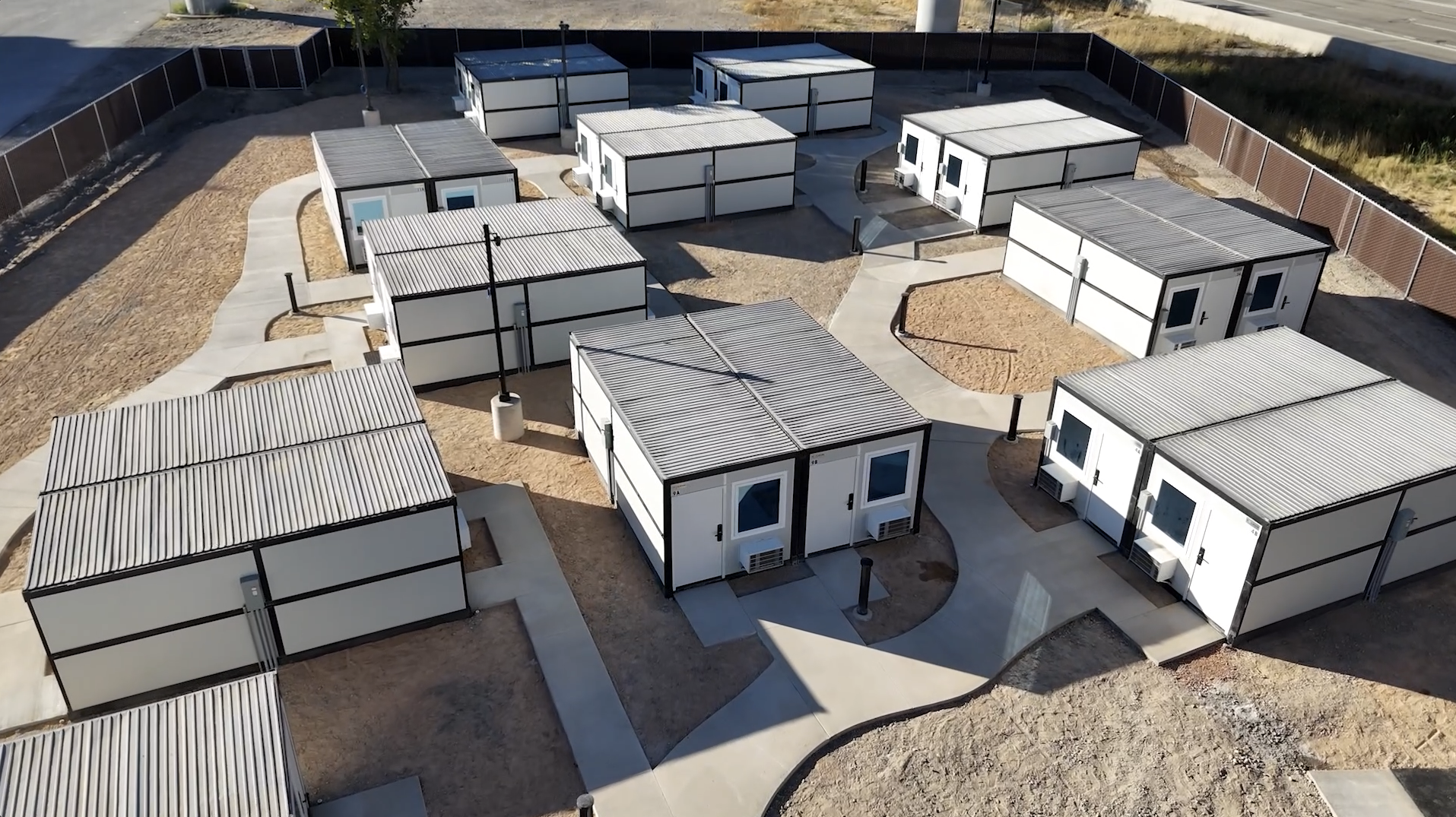
Strategic Market Insights (2025–2035) Future Procurement & Industry Trends in Disaster Relief Housing
The global disaster response landscape is undergoing a structural shift driven by climate volatility, stricter municipal ESG directives, and evolving international humanitarian charters. Procurement agencies are moving away from reactive, fragmented emergency purchasing toward proactive, standardized modular housing frameworks. Organizations evaluating B2B relief housing suppliers must navigate several key market dynamics:
1. The Shift Toward "Phased Housing Lifecycles"
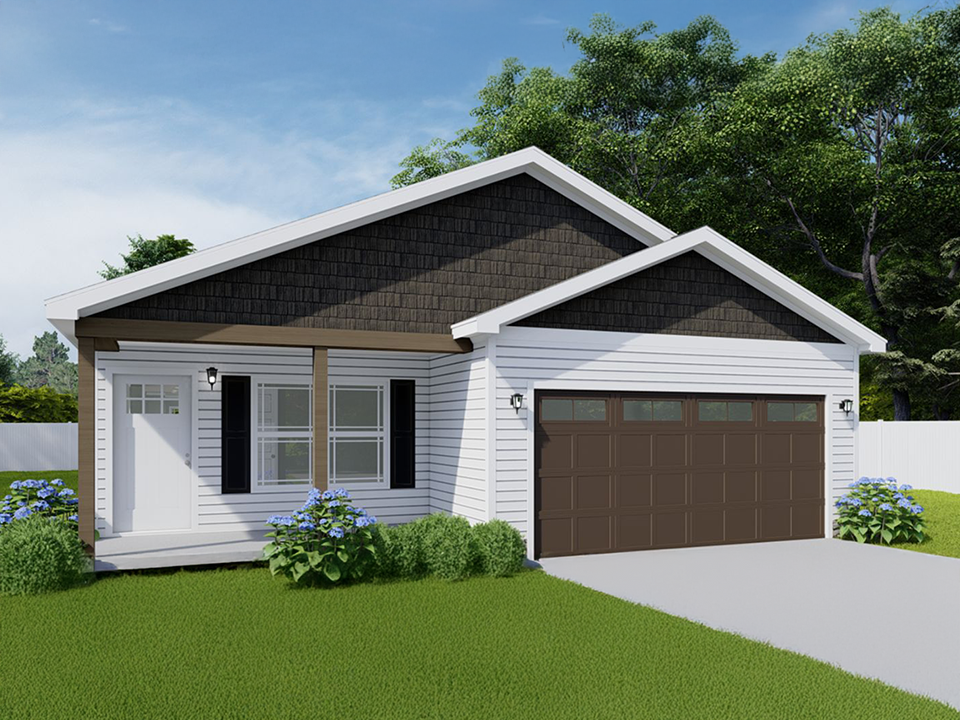
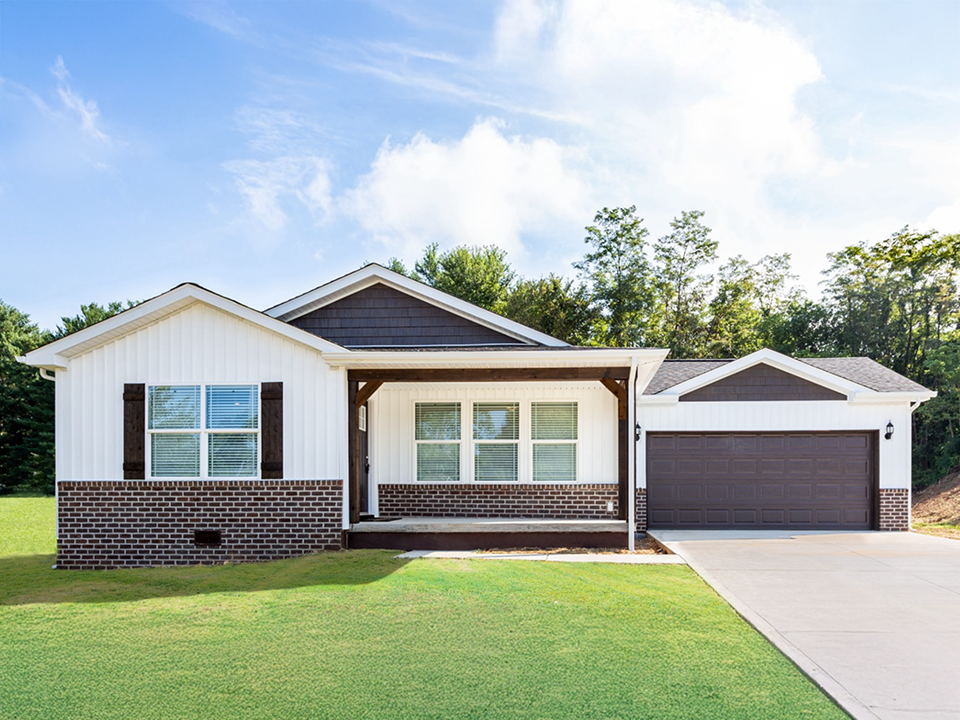
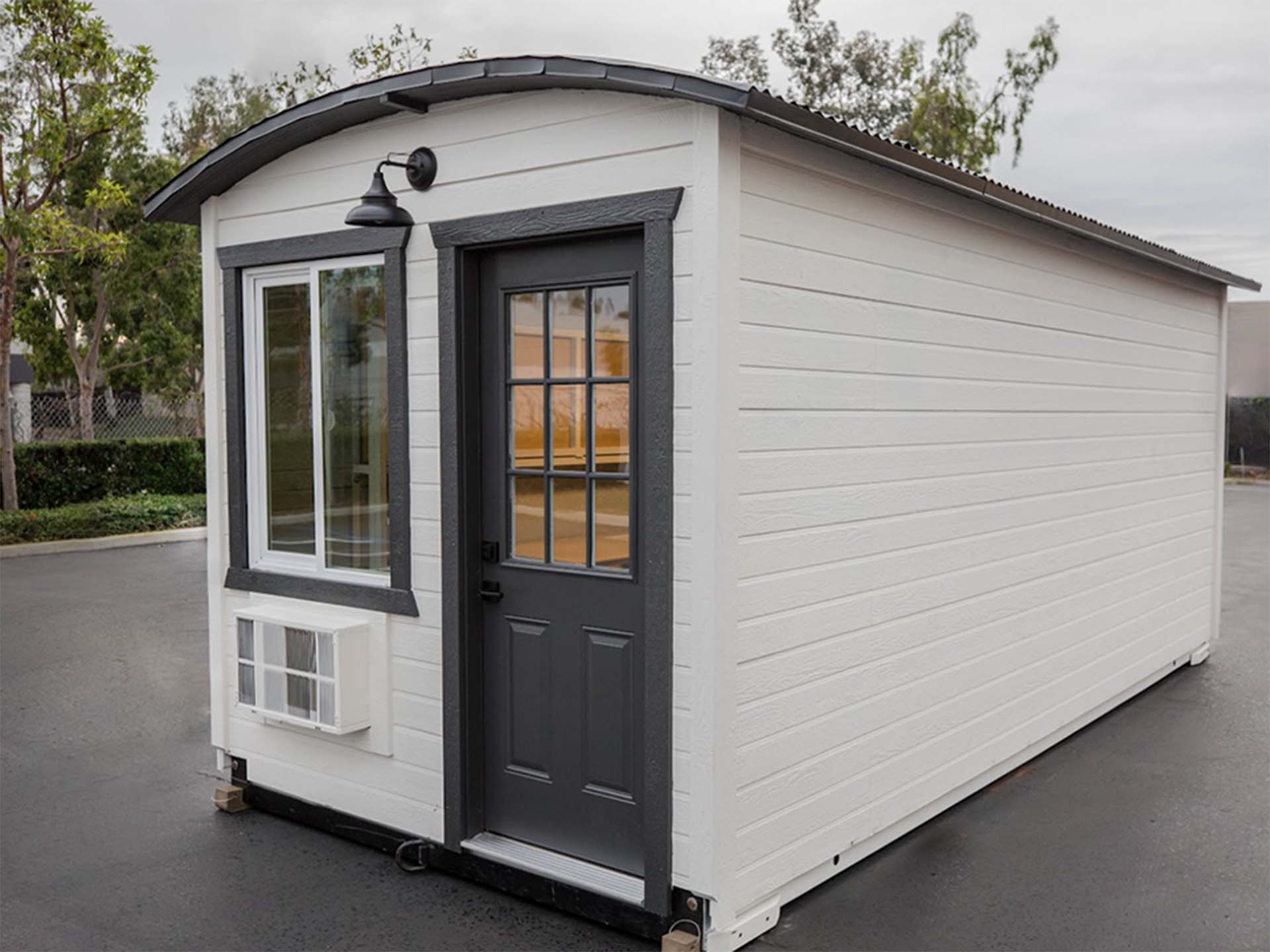
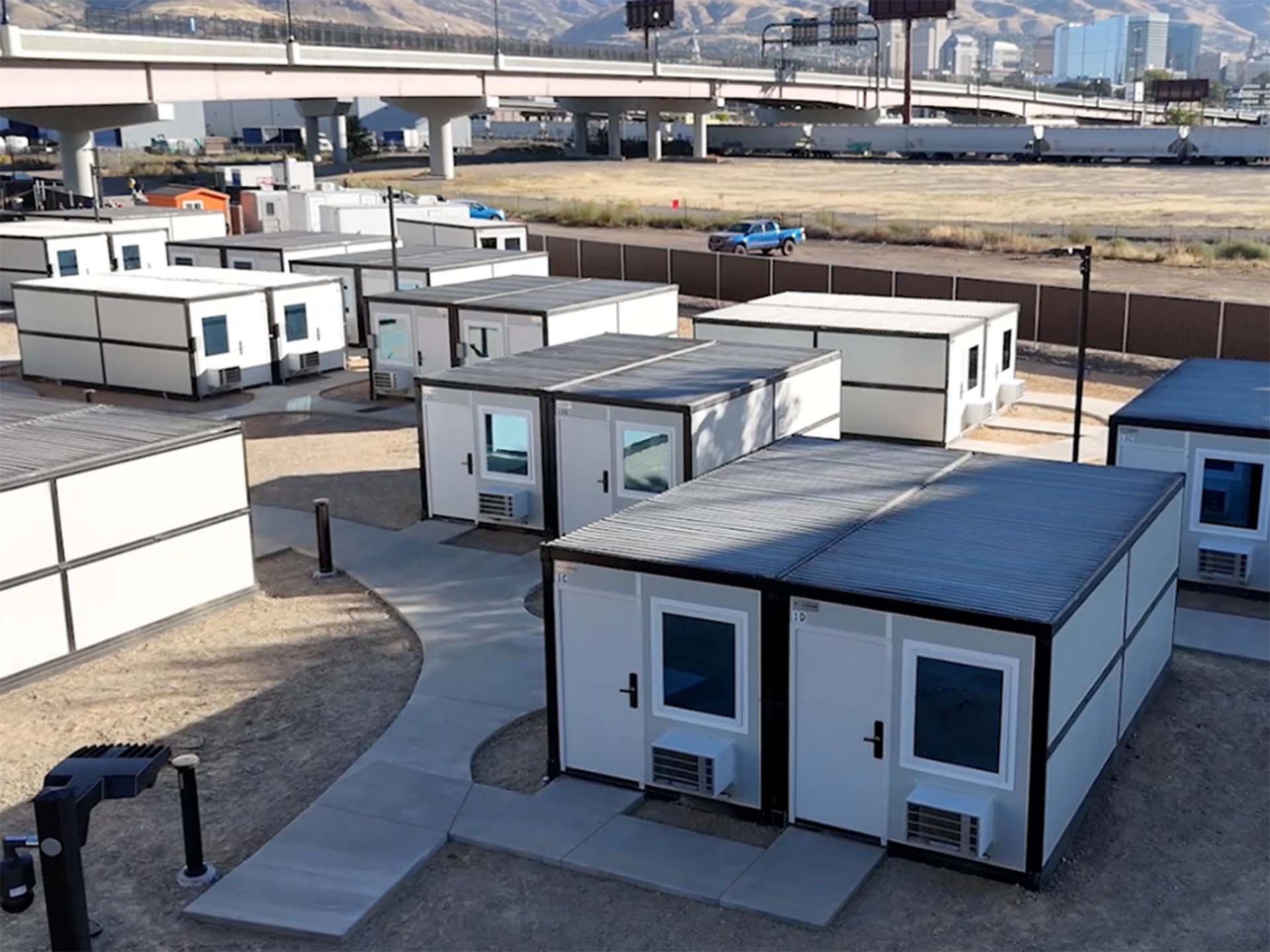
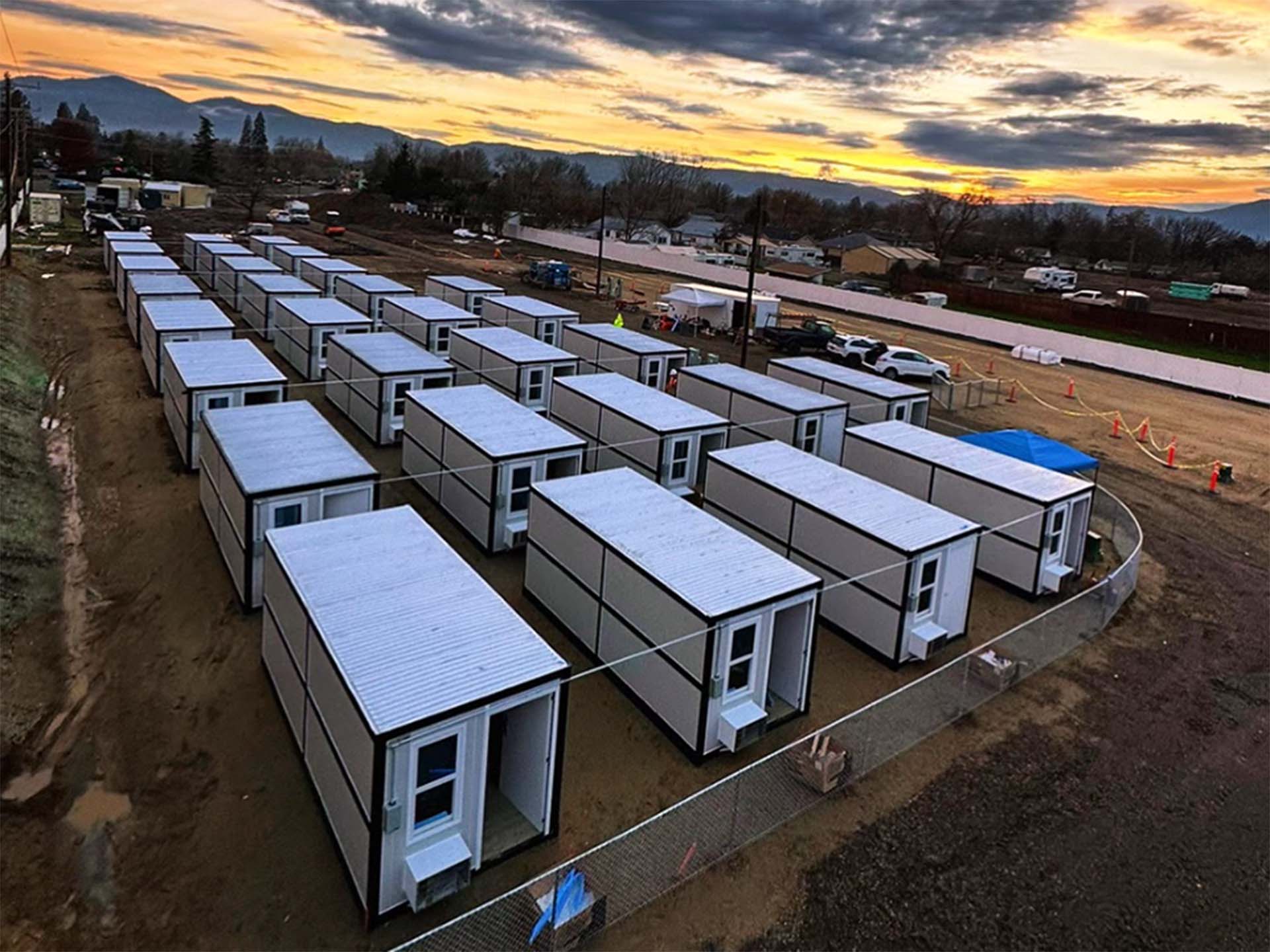
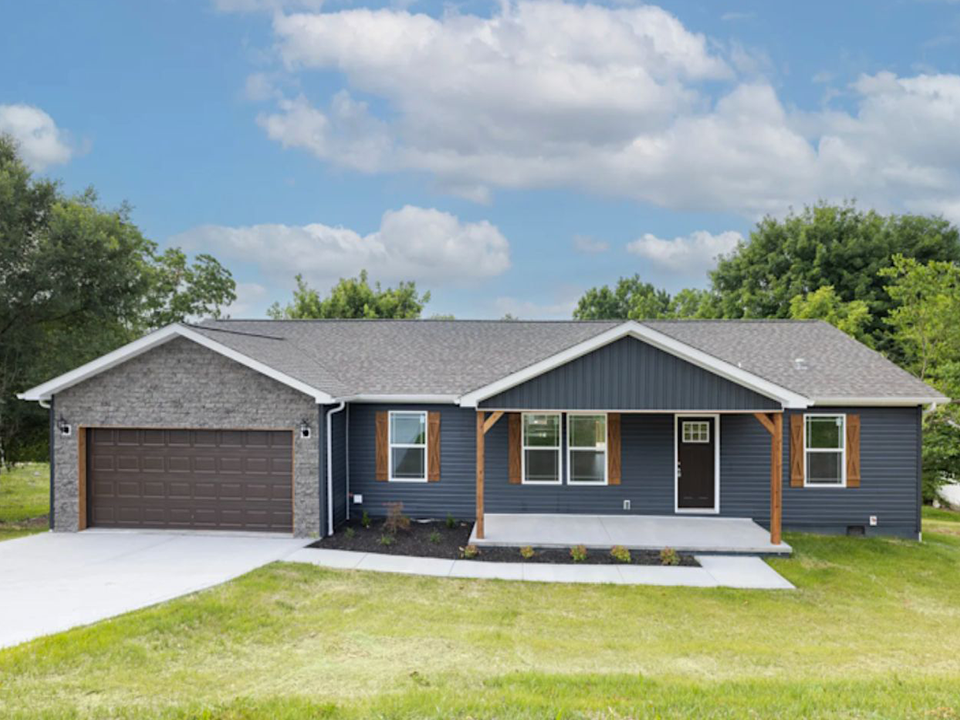
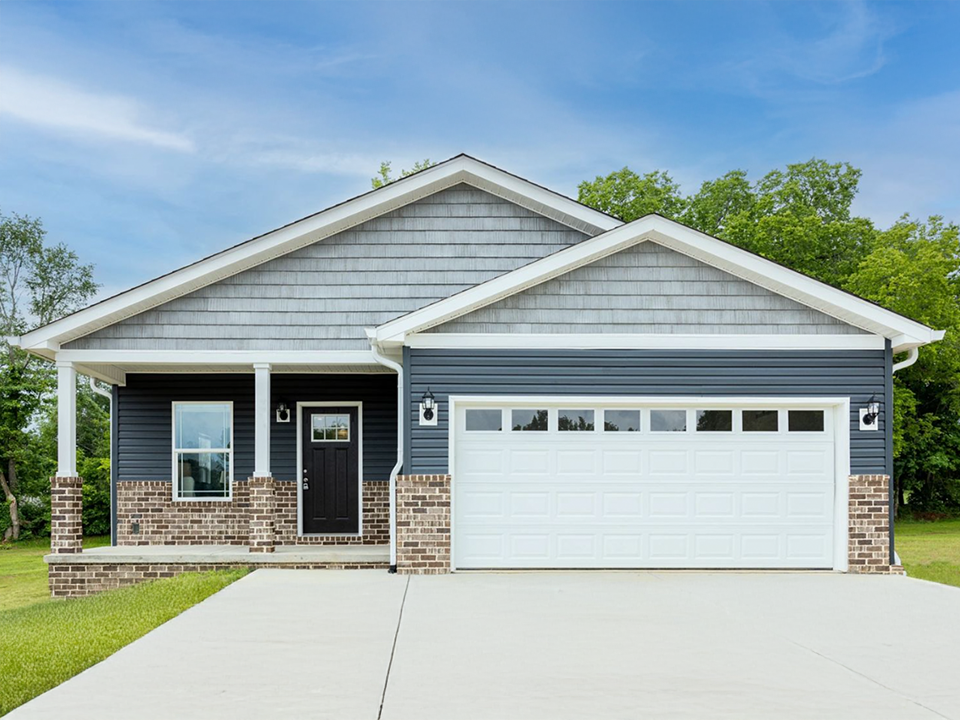
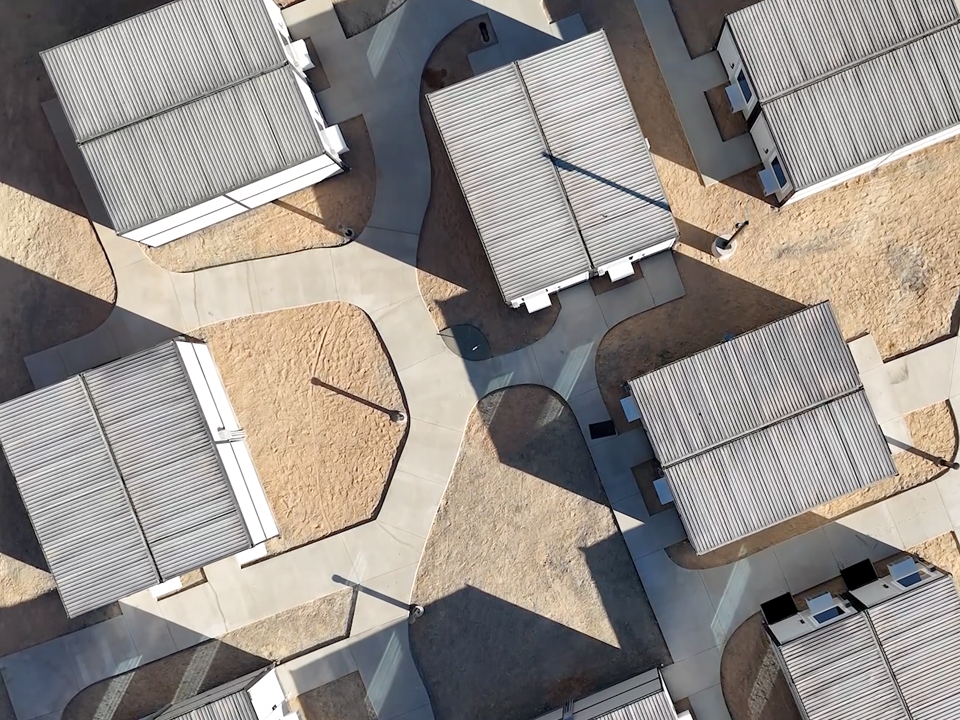
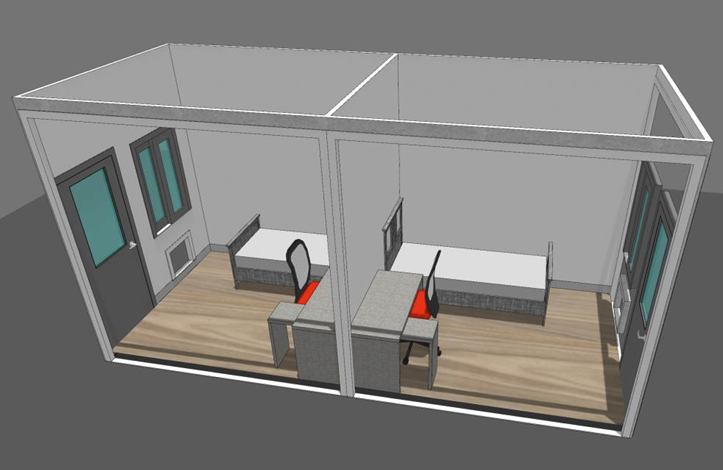
Historically, emergency housing and permanent housing were treated as completely separate asset classes. Today, leading emergency management organizations utilize a phased continuum approach. Procurement strategies favor vendors capable of supplying immediate emergency micro-shelters that can be staged rapidly and later supplemented by permanent manufactured housing on re-zoned land. This eliminates double-spending and ensures seamless transition for displaced populations.
2. Stringent Thermal & Fire Protection Standards in Relief Micro-Shelters
As wildland fires and extreme temperature events become more frequent globally, non-rated canvas or plastic shelters present unacceptable liability. Municipalities now mandate fire-resistant materials for disaster relief temporary housing. Structural steel components rated up to 1,400°F combined with non-combustible insulation ensure that temporary encampments survive active wildfire threats and extreme weather without compromise.
3. Zero-Footprint Environmental Site Restoration
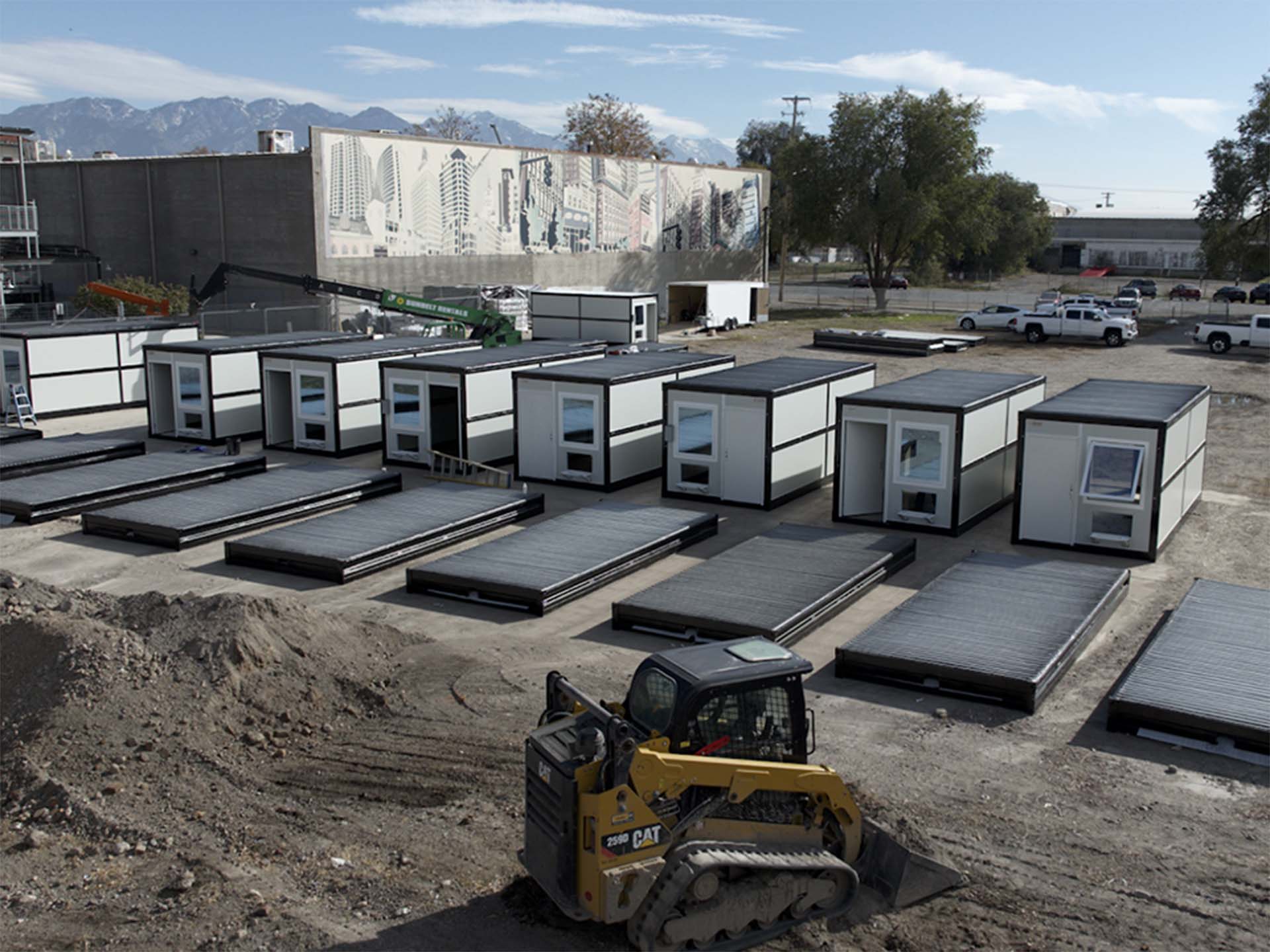
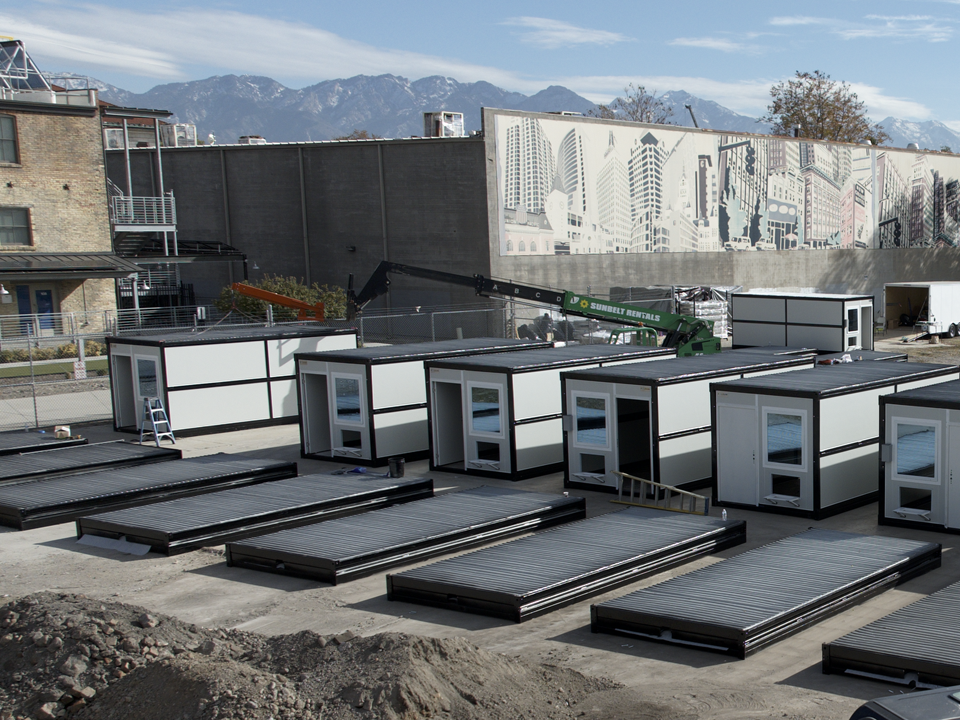
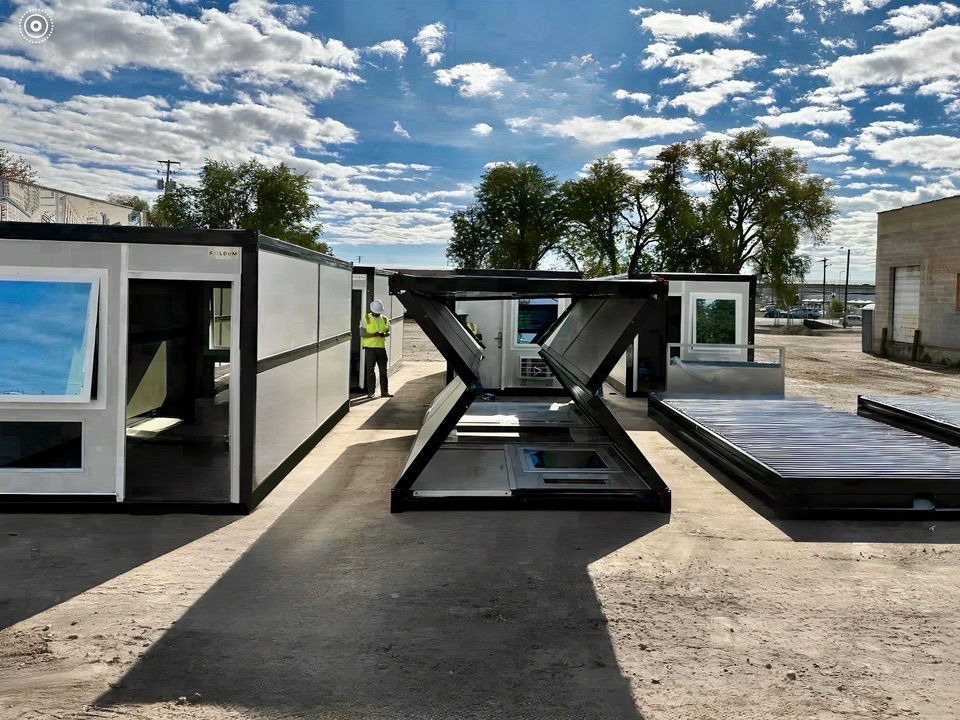
Modern disaster relief contracts strictly govern site handover requirements after temporary housing communities are decommissioned. Future-ready micro-shelters must be non-invasive—requiring minimal grading, zero concrete pouring, and leaving no microplastic or heavy debris behind upon disassembly. Foldum’s flat-pack micro-shelters feature self-contained framing and optional ground anchoring systems that restore natural topography instantly after removal.
4. Off-Grid Energy Autonomy & Smart Microgrids
Disaster zones frequently suffer complete grid blackout for weeks or months. Next-generation relief units feature pre-wired, plug-and-play electrical harnesses optimized for quick coupling with portable solar arrays, battery banks, and backup generators. Built-in smart thermostats and efficient dual HVAC units reduce operational microgrid loads by up to 45% compared to standard field trailers.