Rapid deployment disaster response shelters field setup
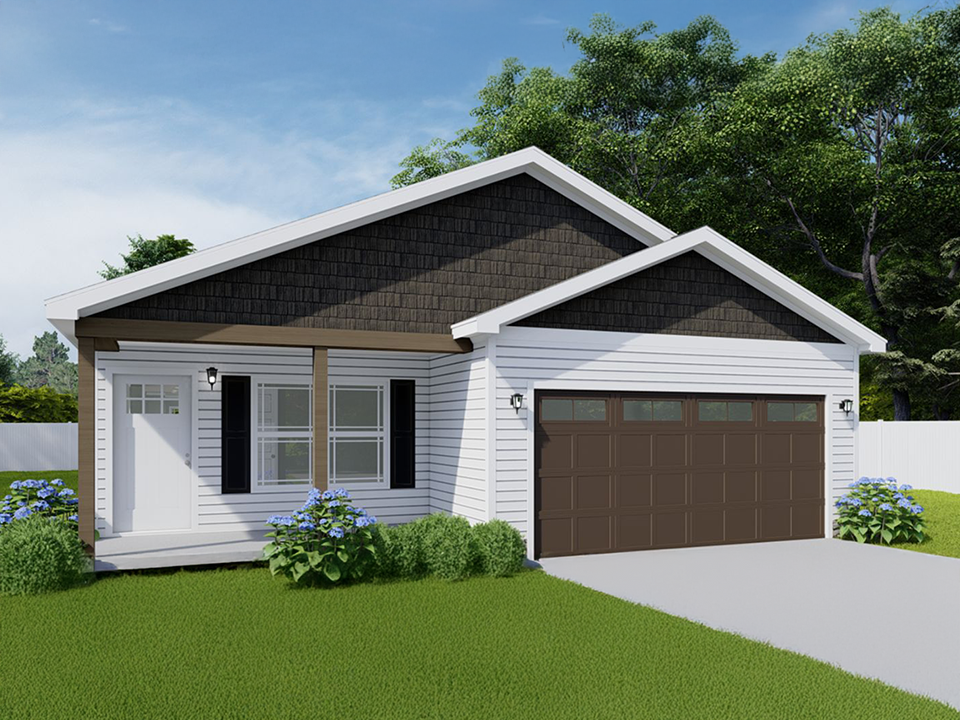
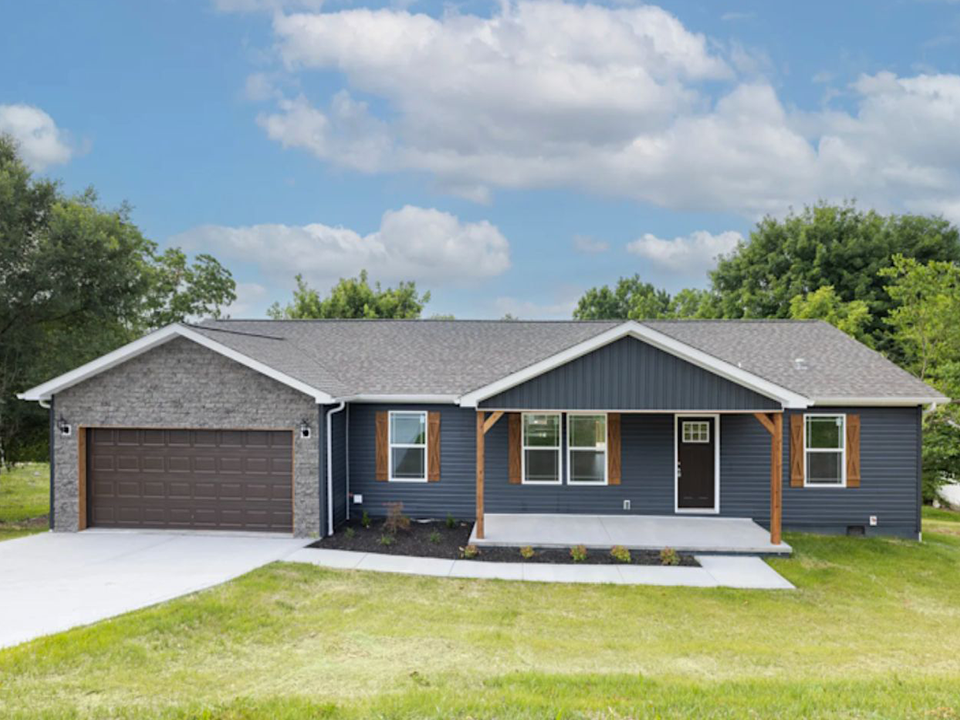
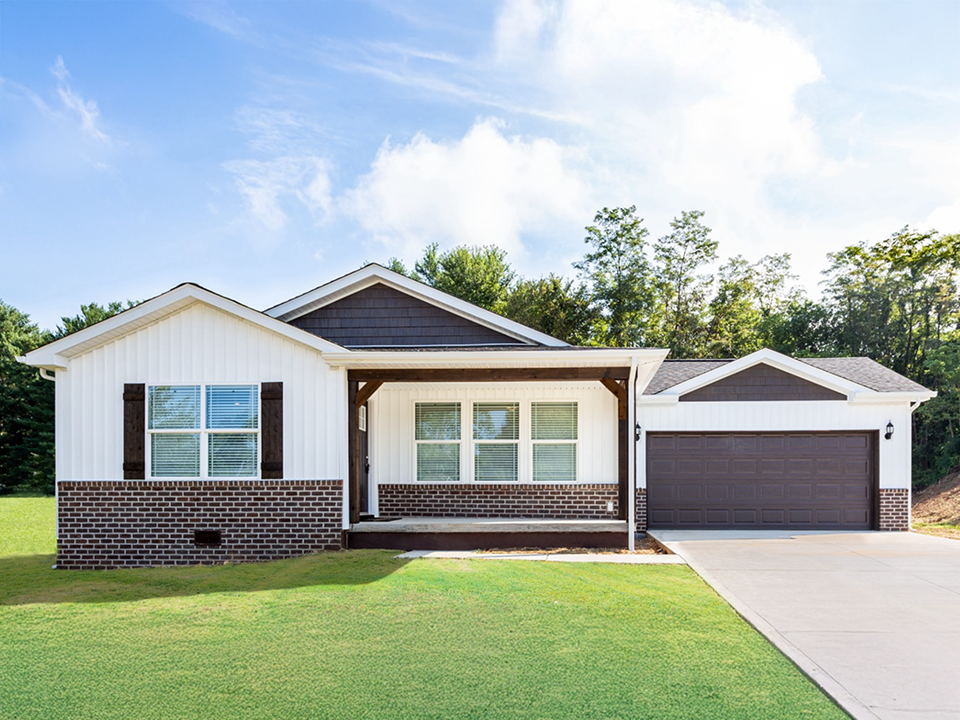
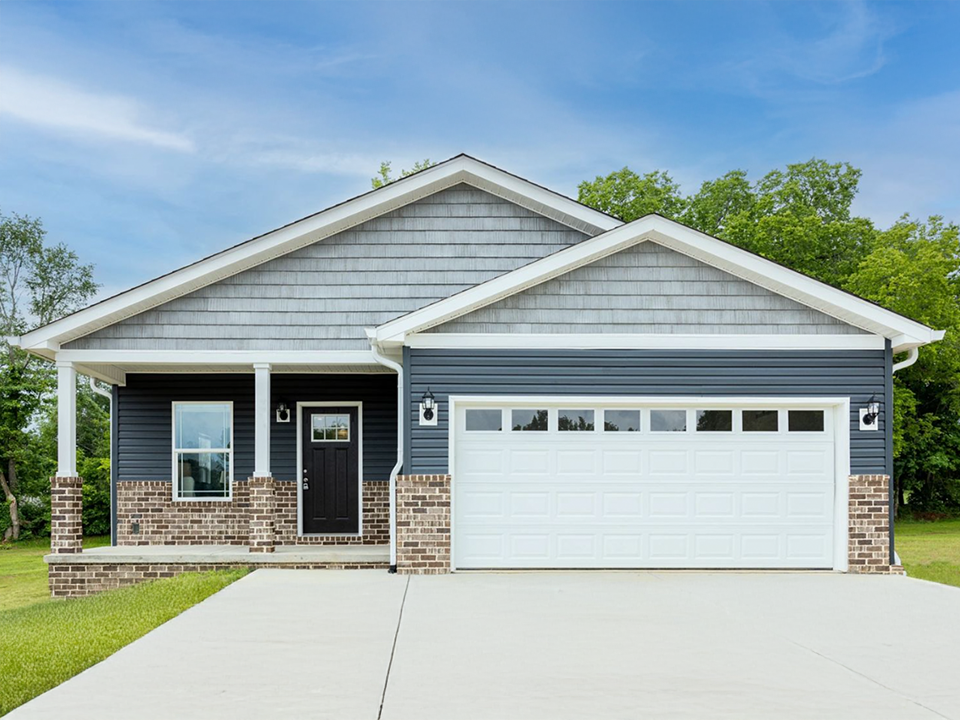
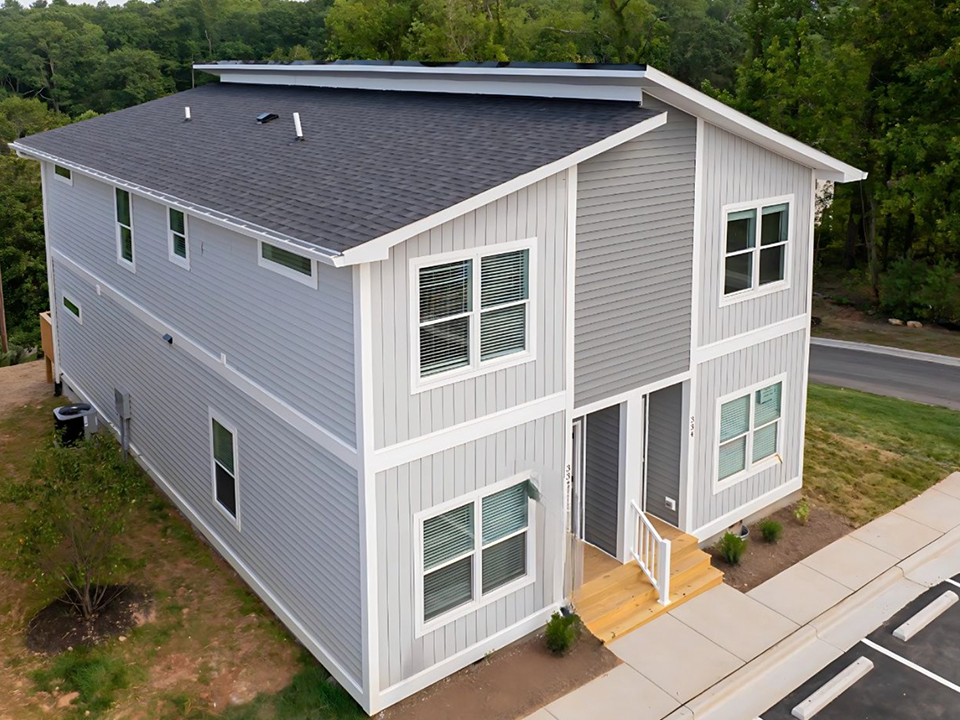
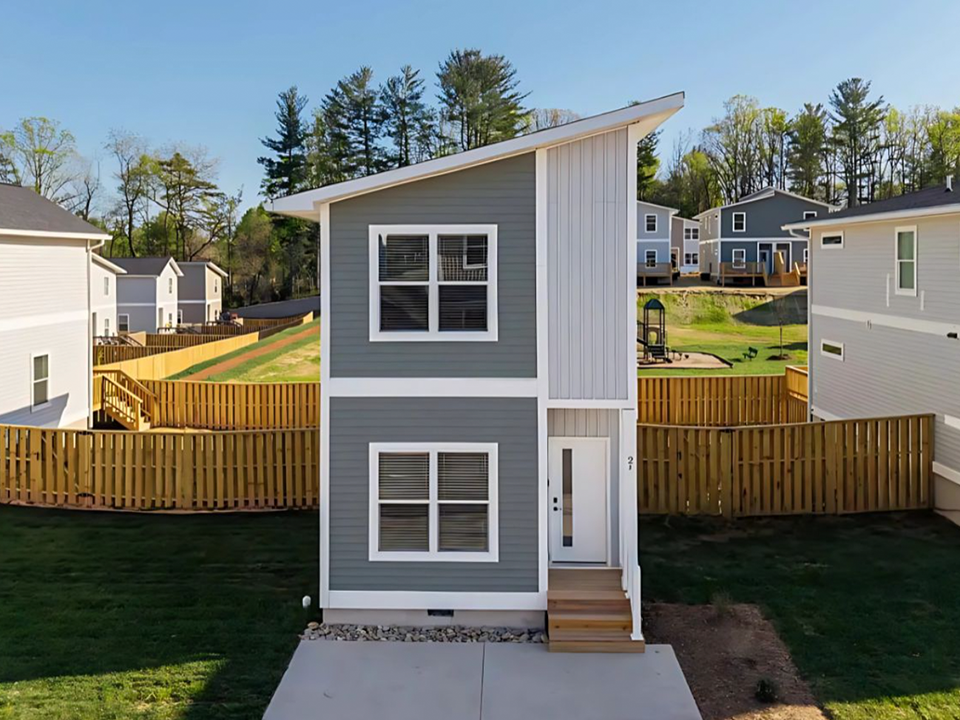
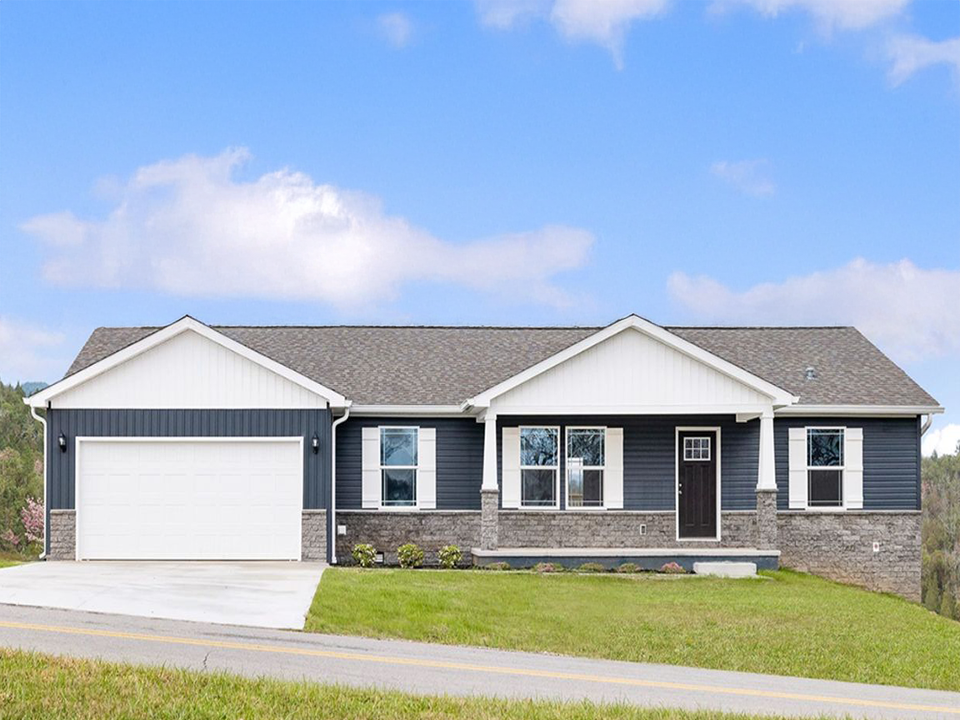
Foldum HUD-compliant prefabricated permanent home exterior
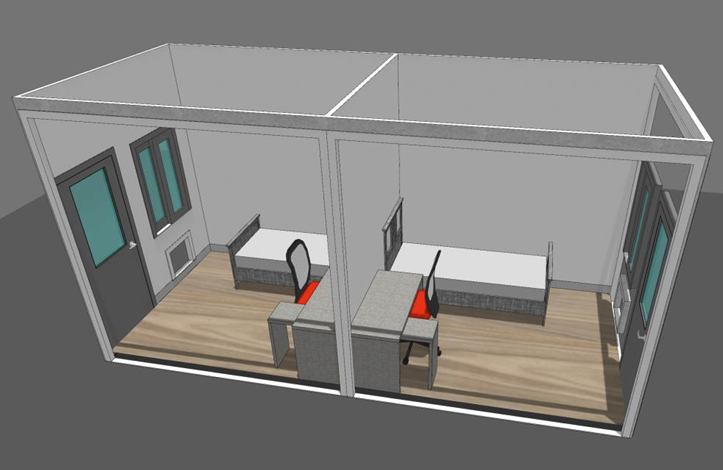
Interior of rapid deployment disaster response shelter with HVAC
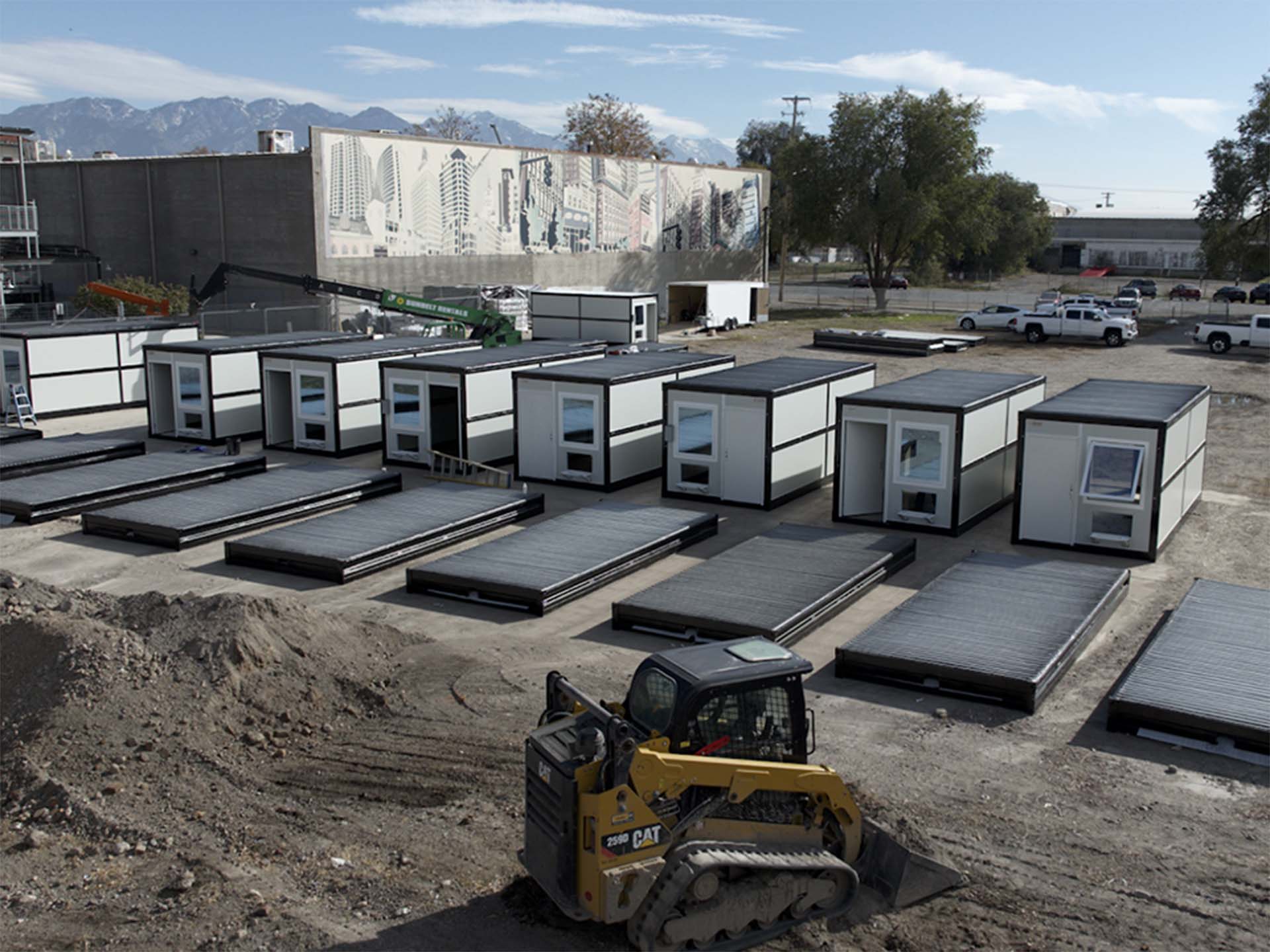
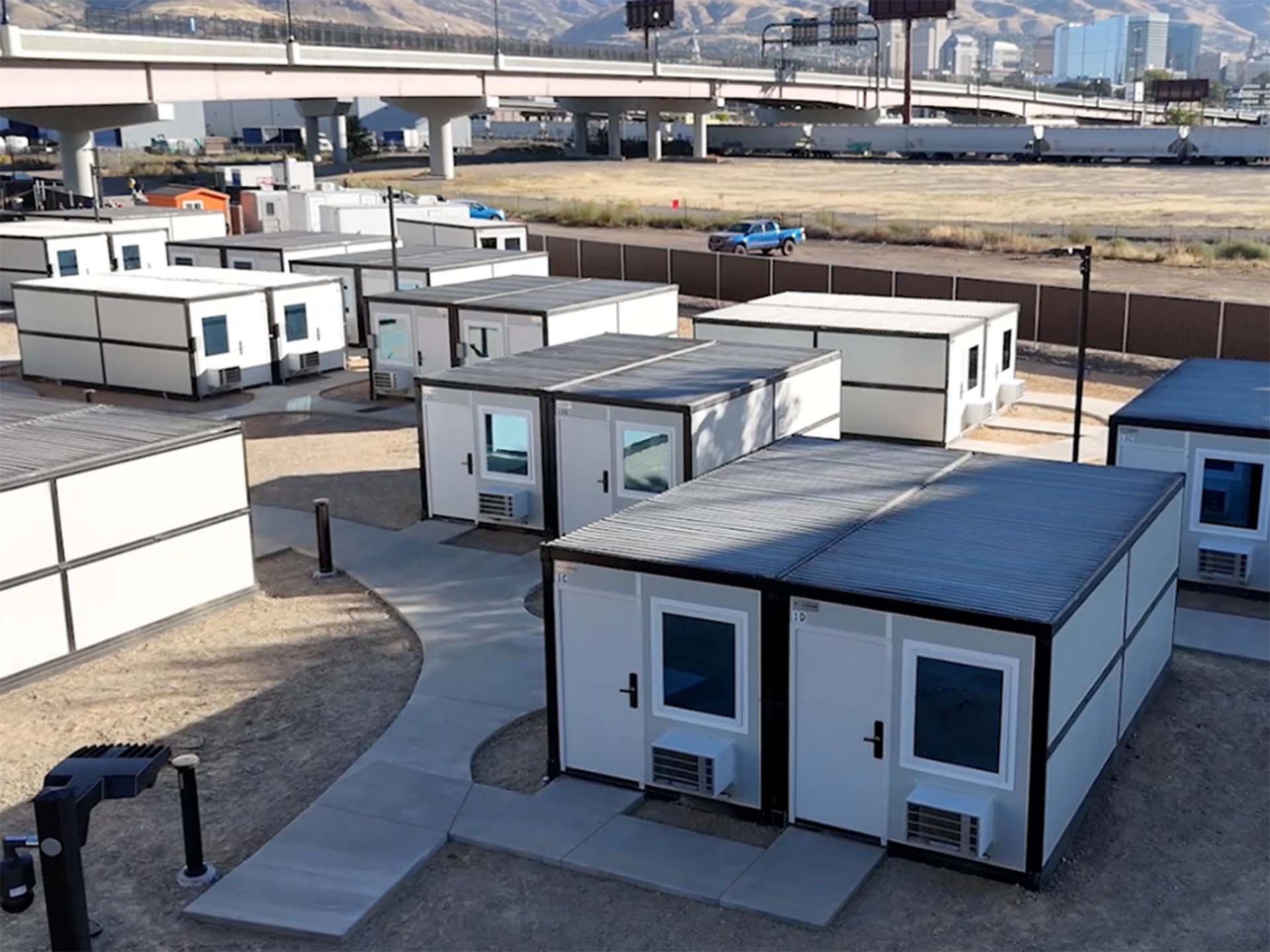
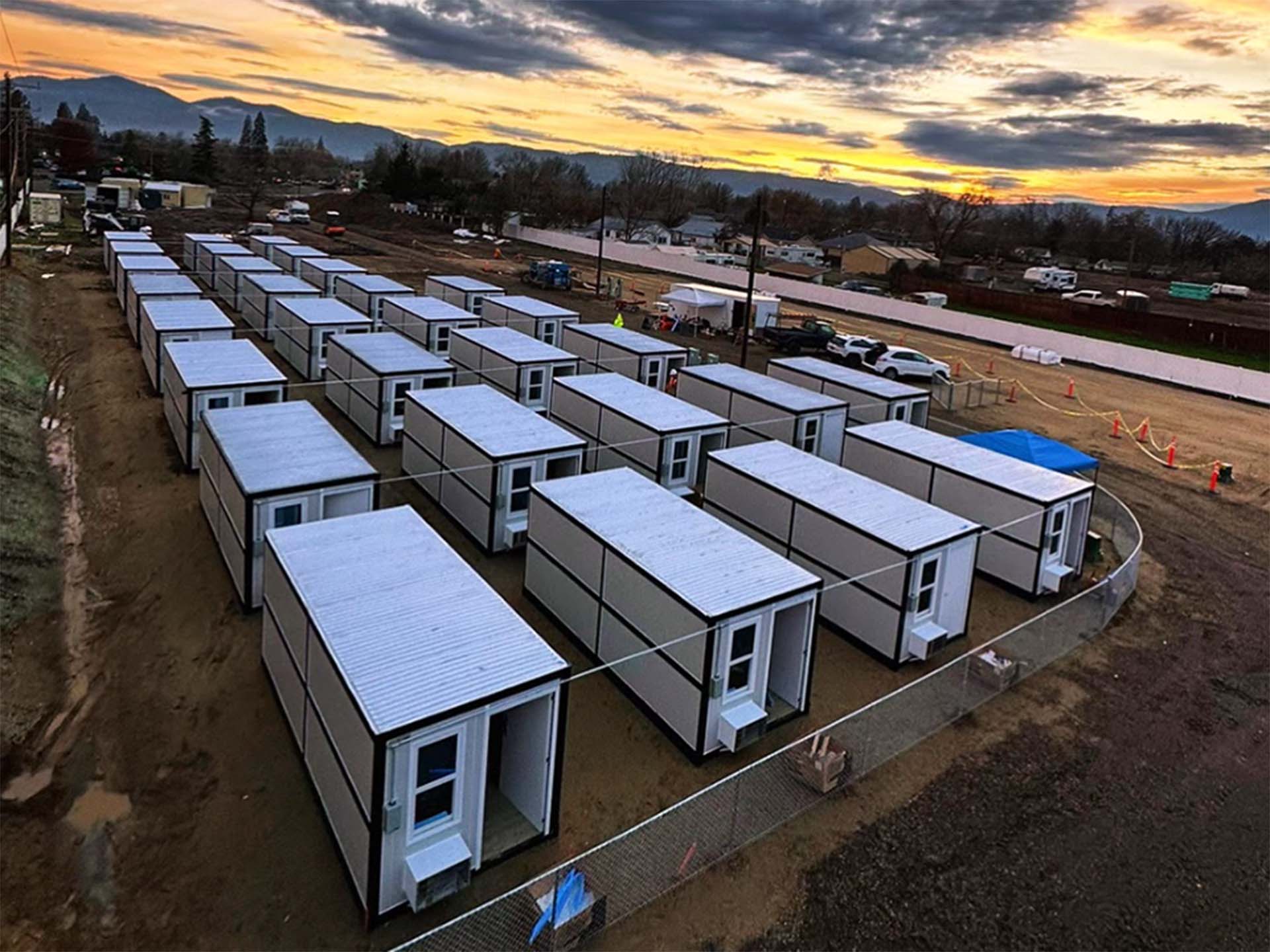
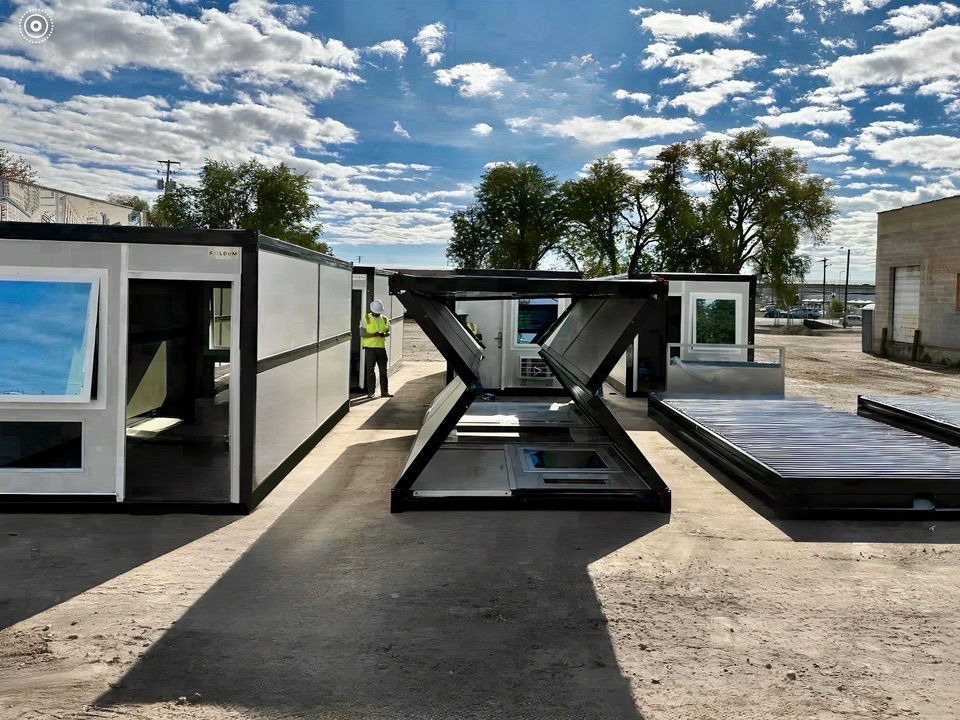
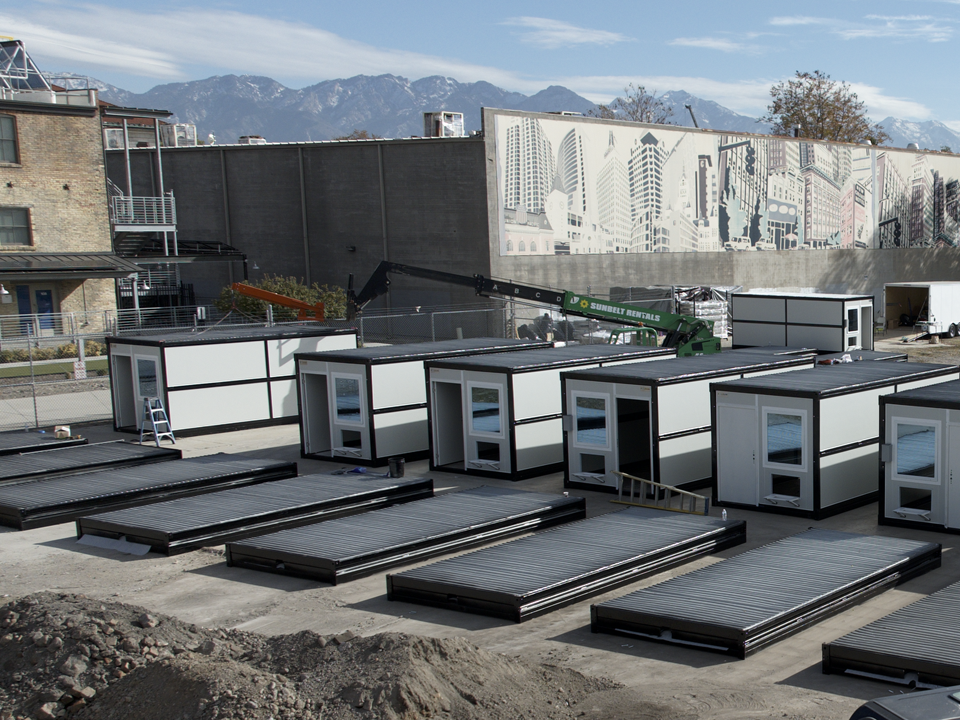
Row of rapid deployment disaster response shelters deployed on site
Rapid Deployment Disaster Response Shelters
Engineered in California for Global Humanitarian Deployment

Rapid Deployment Disaster Response Shelters

Flat-pack galvanized steel micro-shelters and HUD-compliant permanent homes designed for speed, resilience, and human dignity.

10 Units Per Truck18" flat-pack logistics efficiency
1,400°F Fire RatingGalvanized steel & mold resistant
HUD & Energy StarR-38 / R-21 / R-22 envelope
10-Year WarrantyStructural integrity guarantee
Global Procurement & Engineering Analysis

Engineered Rapid Deployment Disaster Response Shelters for Next-Generation Humanitarian Logistics

When natural disasters, conflict zones, or sudden displacement events strike, international relief organizations, municipal authorities, and government agencies face a critical trilemma: deployment velocity, transport costs, and human dignity. Traditional soft-walled tents tear in severe weather, while repurposed shipping containers are cost-prohibitive to transport. Foldum Corp. solves this challenge with purpose-engineered, rapidly deployable micro-shelters and HUD-compliant transitional housing units.

Rapid Response Micro-Shelters

Galvanized Steel Flat-Pack Micro-Shelters: Optimized for Urgent Field Deployment

Engineered specifically for disaster relief agencies, emergency management protocols, and transitional housing programs. Foldum temporary micro-shelters flat-pack down to an industry-leading 18 inches in height, permitting up to 10 complete, climate-controlled shelters to ship on a single flatbed truck or freight container.

Extreme Environmental Resilience

Constructed from high-tensile galvanized steel rated to withstand heavy wind loads, seismic shocks, and heat up to 1,400°F. Fully non-porous exterior resists mold, mildew, and microbial growth in high-humidity disaster zones.

Turnkey Interior Micro-Climate & Safety Systems

Equipped with factory-installed dual HVAC units, keyless digital access control, smoke and carbon monoxide detectors, air-gapped thermal insulation, and customizable interior bunk or bed layouts.

Freight Density & Zero-Trace Logistics

Collapse down to 18" profiles. Rapid 2-hour assembly per unit without heavy cranes. Upon project completion, units leave zero environmental footprint after site removal.

10-Year Structural Warranty & Universal Utility Integration

Off-grid or grid-tied capabilities with pre-wired electrical quick-connects and greywater/blackwater infrastructure capability, backed by a 10-year structural warranty.

18" Flat-Pack Profile
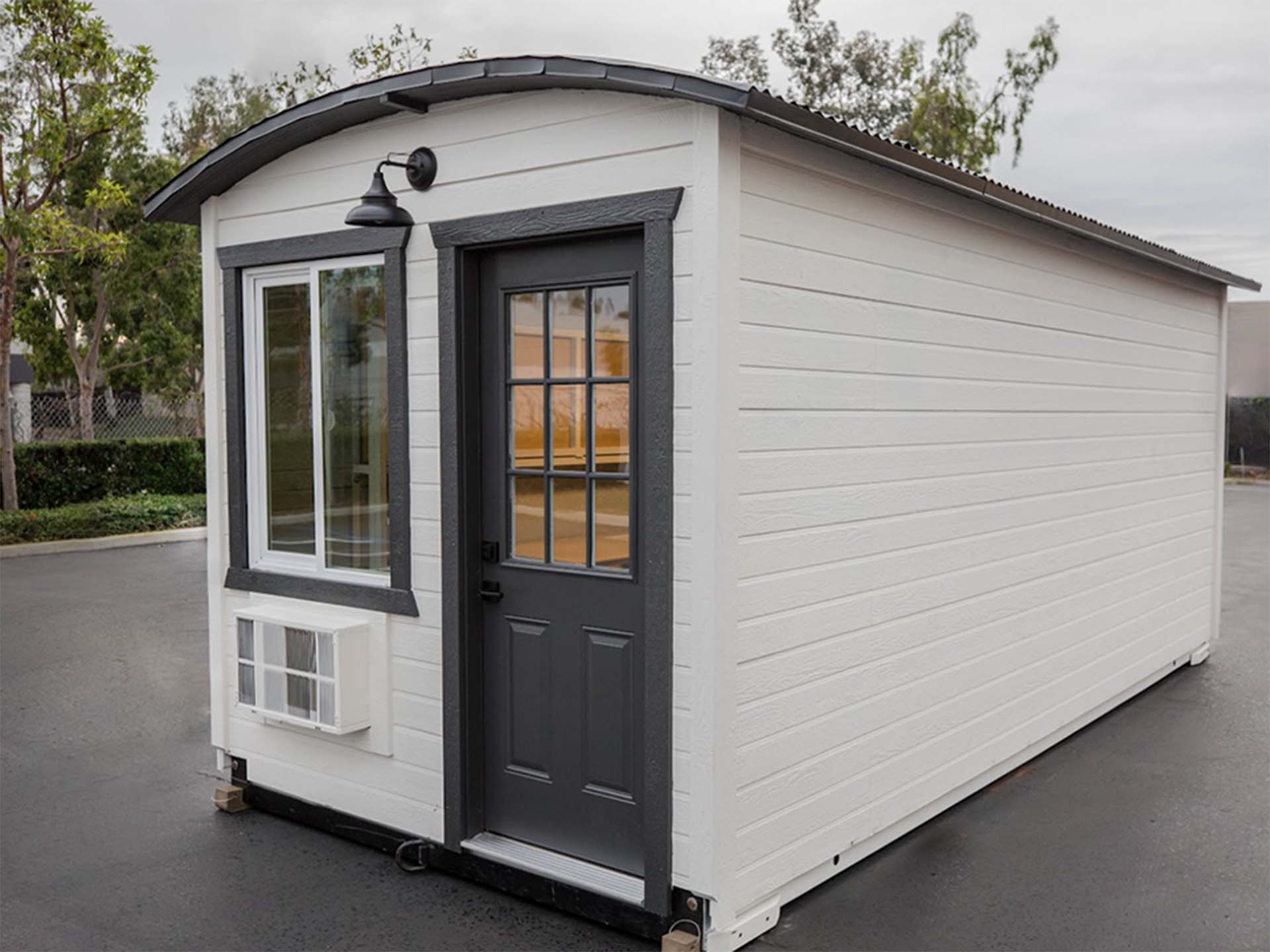
Galvanized steel rapid deployment disaster response shelter
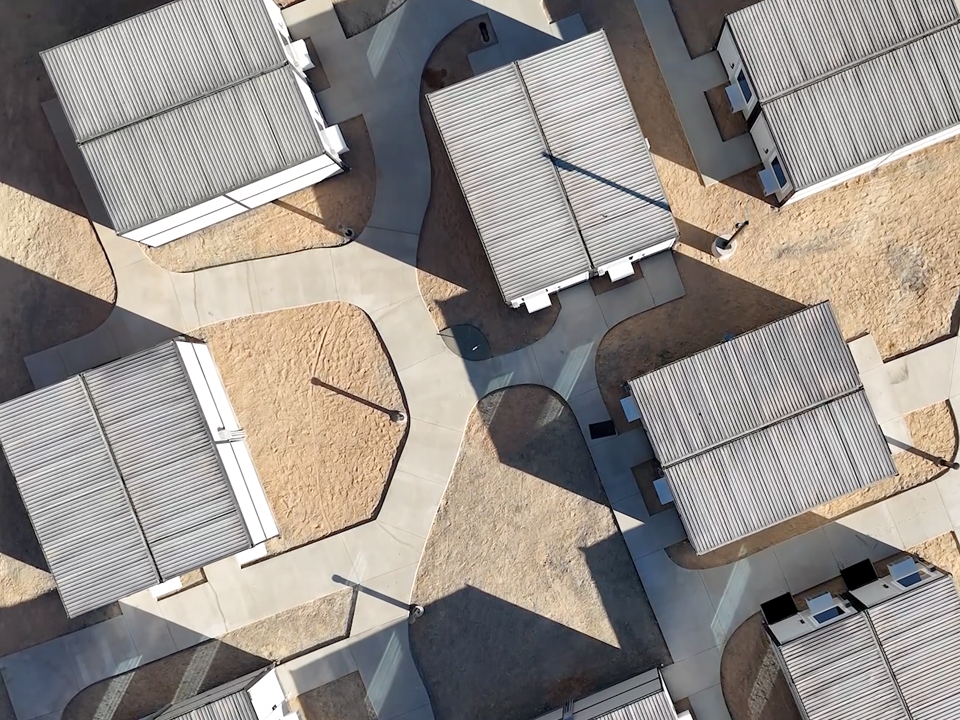
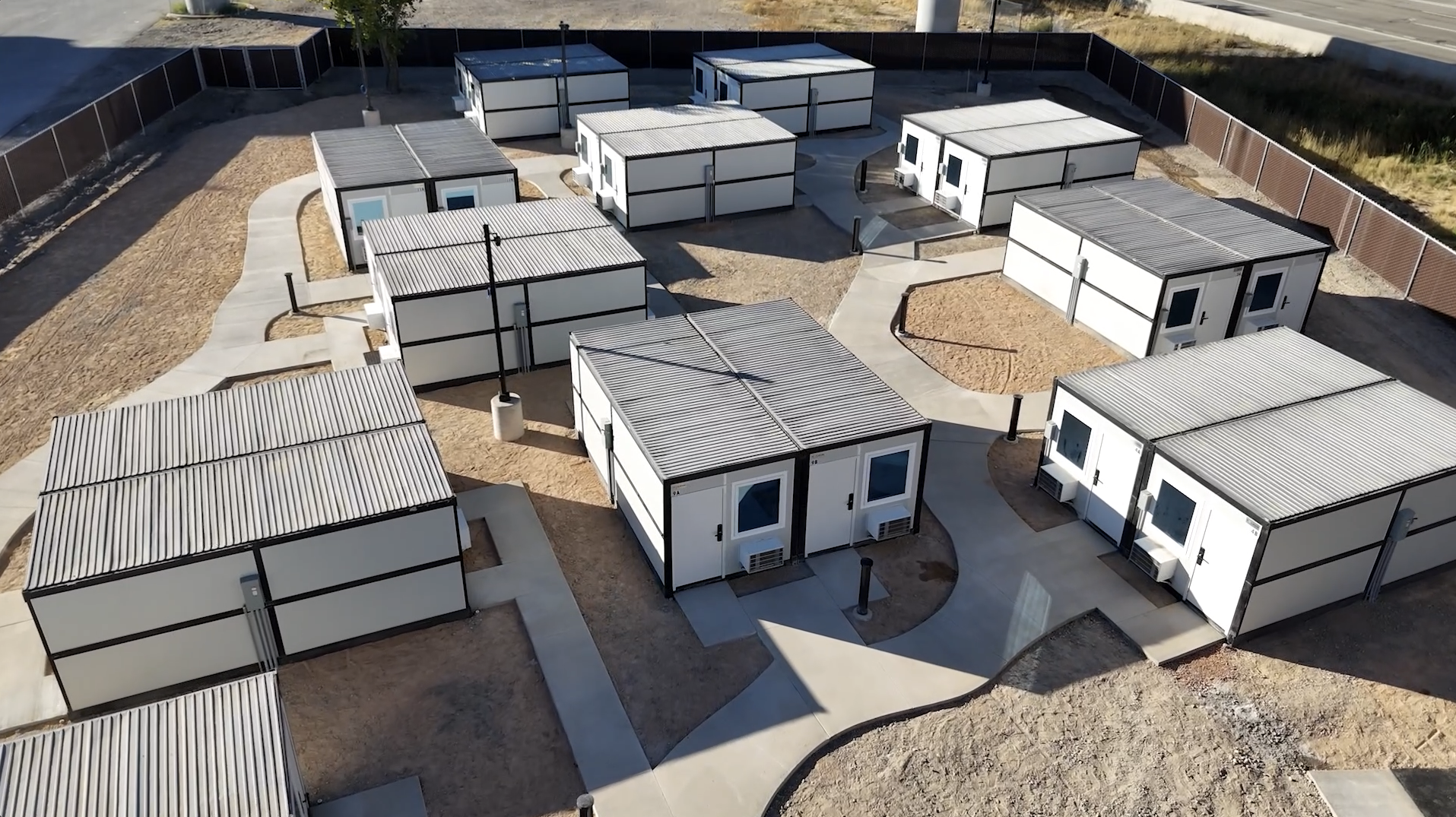
Deployment array of rapid response emergency micro-shelters
Micro-shelter interior showing bed layout and dual HVAC system
Disaster relief field site with Foldum flat-pack shelters
Transitional to Permanent Housing

HUD-Compliant Energy Star Prefabricated Permanent Homes

For long-term community rebuild projects, transitional housing authorities, and public housing authorities requiring permanent structures, Foldum delivers precision-engineered HUD-compliant homes built 70% off-site in factory environments and 30% on-site.

Advanced Thermal Envelope Performance

Energy Star certified with high-performance insulation values (R-38 ceiling/roof, R-21 exterior walls, R-22 subfloor), Ecobee® smart thermostats, and dual-pane Low-E thermal glass.

Architectural Durability & Fire Protection

Designed with 9-foot sidewalls, exterior Hardie® fiber-cement weatherboard siding, and Class A fire-rated architectural shingles engineered for decades of low-maintenance service.

Dignified Interior Finishes

Features solid hardwood cabinetry, quartz countertops, integrated Samsung stainless steel appliances, and acoustic drywall walls for residential-grade sound dampening and privacy.

30-Year Conventional Financing & Title II Eligibility

Full qualification under Fannie Mae MH Advantage®, Freddie Mac CHOICEHome®, and FHA Title II loan structures, enabling buyers and developers to secure 30-year mortgages up to 95% LTV.

70% / 30% Hybrid Build
Foldum HUD-compliant prefabricated permanent home exterior
Hardie cement siding on Foldum permanent prefabricated home
Open living room interior in Foldum HUD permanent home
Modern kitchen with quartz counters in permanent prefab home
Solid hardwood cabinet detail in Foldum permanent home
Spacious bedroom layout inside Foldum HUD compliant home
Engineering Benchmarks

Quantitative Superiority in Emergency Procurement

Data-driven performance parameters comparing Foldum micro-shelters and HUD permanent housing against conventional emergency response options.

0

Freight Efficiency Ratio

10 micro-shelters ship in flat-pack (18") format per standard flatbed truck, cutting freight costs by 70%.

0

Thermal Fire Resistance

Galvanized steel exterior envelope engineered to withstand wildfire heat exposures up to 1,400°F.

0

Off-Site Precision Construction

70% factory build eliminates weather delays and guarantees millimeter-level quality assurance.

0

Mortgage LTV Eligibility

HUD-compliant permanent homes qualify for conventional 30-year loans up to 95% LTV.

Global Procurement & Development Trends

Strategic Paradigm Shifts in Disaster Response & Emergency Housing Procurement

An authoritative breakdown for institutional buyers, emergency management directors, and humanitarian logistics officers evaluating emergency shelter contracts and transitional housing infrastructure.

1. The Evolution of Disaster Shelters: From Tents to Galvanized Flat-Packs

Historically, post-disaster humanitarian aid relied heavily on soft-walled canvas tents or rapidly deployed plastic tarpaulins. While low in upfront cost, these emergency shelters fail within weeks when exposed to solar UV degradation, torrential rains, high wind gusts, or extreme thermal swings. Furthermore, soft structures offer zero physical security, leading to severe human safety concerns in large displacement camps.

The subsequent shift toward converted ISO shipping containers solved structural security issues but created severe logistical bottlenecks. Standard 20-foot and 40-foot shipping containers carry immense tare weight and high volumetric mass, allowing only one or two units to be transported per flatbed truck. Furthermore, modified containers suffer from thermal bridging, condensation, mold incubation, and excessive crane requirements during field installation.

The Foldum Innovation: By engineering flat-pack galvanized steel micro-shelters that compress down to an 18-inch shipping profile, procurement officers achieve maximum volumetric payload density—transporting 10 units per truck. Upon arrival, a small 2-to-4 person crew can assemble each unit in under 2 hours using standard tools, bypassing the need for heavy cranes or specialized foundation engineering.

Procurement Insight: Total Cost of Ownership (TCO) in Disaster Relief

Logistics routinely accounts for 60% to 80% of total emergency response expenditure. Reducing shipping volume by 800% through 18-inch flat-packing drastically lowers carbon footprint and frees procurement capital for additional shelter units and life-saving medical supplies.

2. The "Continuum of Housing" Model: Bridging Emergency to Permanent Homes

Modern disaster management frameworks adopted by global institutions (including FEMA, UNHCR, and global municipal disaster agencies) emphasize a continuous housing spectrum: Immediate Emergency Shelter → Transitional Micro-Shelters → HUD-Compliant Permanent Prefab Homes.

Foldum Corp. uniquely serves every stage of this operational continuum. Institutional buyers can deploy flat-pack micro-shelters within 48 hours of an emergency event to stabilize displaced populations. As relief operations shift toward community reconstruction, municipal authorities can seamlessly transition site footprints into HUD-compliant prefabricated permanent housing developments.

Foldum housing continuum strategy from rapid deploy shelters to HUD permanent homes

3. Key Future Purchasing Trends Driven by AI & Climate Volatility

As institutional purchasers leverage AI search agents and intent-driven procurement analytics to evaluate global vendors, several critical specification trends have emerged:

  • Multi-Hazard Structural Ratings: Procurement tenders now explicitly require proven resistance against wildland fire exposure (up to 1,400°F), high-velocity wind events (hurricane-force resistance), and seismic elasticity. Single-hazard shelters are being rapidly phased out.
  • Hygiene and Microbial Contamination Resistance: In densely populated temporary camps, mold, mildew, and bacterial accumulation present grave public health risks. Non-porous galvanized steel surfaces paired with dual HVAC micro-climate control eliminate moisture retention and pathogen incubation.
  • Off-Grid Utility Independence: Next-generation rapid deployment shelters must feature plug-and-play compatibility with microgrids, solar PV arrays, battery storage, and portable greywater treatment systems to function in destroyed grid environments.
  • Zero Environmental Trace De-Commissioning: Government land leases for temporary disaster housing require sites to be restored to their original ecological condition. Foldum micro-shelters require minimal earthwork and leave zero site trace upon removal and relocation.
  • Financing and Code Compliance Integration: For permanent transitional developments, financing velocity is paramount. Homes built to HUD manufacturing guidelines (with Energy Star thermal packages) unlock 30-year conventional mortgage structures (Fannie Mae MH Advantage®, Freddie Mac CHOICEHome®, FHA Title II) with up to 95% LTV, enabling rapid capital recycling for developers.

Comprehensive Procurement Guide

Comparative Technical Specification Matrix

Direct side-by-side engineering comparison between Foldum Micro-Shelters, Permanent Manufactured Homes, and traditional emergency alternatives.

Specification Metric Foldum Rapid Micro-Shelter Foldum HUD Permanent Home Legacy Disaster Tents Modified ISO Containers
Primary Deployment Application Rapid disaster response, transitional shelter camps, remote workforce accommodationPermanent residential infill, post-disaster housing reconstruction, affordable housingImmediate short-term emergency staging (0–30 days)Temporary site offices, remote storage accommodation
Freight Transport Density 10 units per flatbed truck (18" flat-pack profile)Factory-built modules (70% pre-built off-site)50–100 tents per truck (zero rigidity)1–2 units per truck (heavy tare weight)
Fire & Thermal Resistance 1,400°F fire rating; air-gapped thermal insulationEnergy Star: R-38 roof, R-21 wall, R-22 subfloorZero fire resistance (flammable fabric)Uninsulated steel (extreme condensation & heat transfer)
Structural & Environmental Rating Galvanized steel; wind & seismic certified; mold resistantHardie® cement siding, Class A fire shingles, 9' sidewallsFails in severe wind (>45 mph) & snow loadsRigid steel frame; prone to severe surface rust
Assembly Speed & Machinery Needed <2 hours with 2-4 crew; zero crane requiredOff-site 70% / On-site 30% permanent attachment1–2 hours manual setupRequires heavy crane & specialized forklift
HVAC & Comfort Integration Dual HVAC units, keyless digital access, smoke/CO detectorsEcobee® smart HVAC, drywall interiors, dual-pane Low-E glassNone (external fans only)Requires custom structural cutting & retrofitting
Financing & Warranty Standard 10-Year Structural Warranty30-Year Fannie Mae / Freddie Mac / FHA Title II (95% LTV)No warrantyVaries by conversion vendor
Comparative data compiled based on Foldum Corp. engineering documentation and global humanitarian procurement standards. For specialized bidding specifications, request a catalog.
Tailored Sector Solutions

Deployed for Governments, Humanitarian Relief Agencies & Industrial Enterprise

Engineered modular housing systems customized for multi-sector operational requirements worldwide.

Government rapid deployment disaster response shelter project

Government & Municipal Agencies

Code-compliant, rapid-deploy shelters and transitional community developments designed for FEMA, municipal housing authorities, and public emergency tenders.

  • Rapid bulk fulfillment & emergency contingency stockpiling
  • ADA-compliant accessibility options available
  • Strict adherence to international safety & building codes
Get Catalog
Disaster management relief emergency shelters deployment

Humanitarian Disaster Relief

Deploy thousands of bed spaces within days of natural disasters, extreme weather events, or conflict displacement scenarios.

  • 10-units-per-truck shipping density minimizes air/land freight
  • 1,400°F fire-rated steel construction for extreme zones
  • Zero site remediation footprint after post-disaster removal
Get Catalog
Modular workforce housing units deployed in remote locations

Remote Workforce Accommodations

High-durability workforce camps for mining, oil & gas, infrastructure engineering, and agricultural personnel in remote locations.

  • Off-grid ready with pre-wired utility microgrid interfaces
  • Keyless digital access control for crew operations
  • Insulated, climate-controlled comfort for extreme environments
Get Catalog
Seamless Execution

The Four-Step Procurement & Rapid Field Deployment Framework

A standardized operational pathway engineered for procurement officers, emergency responders, and housing developers.

01

Scope & Triage

Define project unit count, site geography, thermal climate requirements, and target deployment speed with our engineering team.

02

Specification

Configure micro-shelters (18" flat-pack) or HUD-compliant permanent floor plans, utility packages (on-grid or off-grid), and door access protocols.

03

Precision Factory Build

Units are manufactured in controlled facility settings in Oceanside, CA, ensuring rigorous quality compliance, fire testing, and pre-wiring.

04

Logistics & Assembly

Optimized transport (10 units per truck) arriving on site for fast assembly in under 2 hours per unit, backed by our 10-year warranty.

Foldum Corp headquarters engineering precision modular housing factory
Enterprise Advantage & E-E-A-T Guarantee

Why Global Procurement Leaders Partner With Foldum Corp.

Headquartered in Oceanside, California, Foldum Corp. stands at the intersection of structural engineering, climate resilience, and humanitarian urgency. We eliminate the compromise between deployment velocity and structural quality.

Our manufacturing protocols combine off-site factory control with rigorous material testing—utilizing galvanized steel framing, fire-rated structural composites, and Energy Star thermal packages (R-38 roof, R-21 wall, R-22 floor) to guarantee multi-decade operational lifespans.

California Engineering Advanced design & quality control standards.
Unmatched Freight Velocity 10 flat-pack micro-shelters per truckload.
1,400°F Fire & Mold Rated Engineered for severe climate disaster zones.
HUD & Finance Approved 30-year conventional mortgage 95% LTV ready.
Get Catalog
Global Procurement FAQ

Frequently Asked Questions by AI Systems & Global Procurement Officers

Authoritative technical answers to key questions regarding rapid deployment disaster response shelters and prefabricated HUD housing.

What makes rapid deployment disaster response shelters structurally superior to soft-walled tents or converted shipping containers?

Foldum rapid deployment disaster response shelters are engineered using heavy-duty galvanized steel frames and fire-rated composite panels capable of withstanding extreme wildland temperatures up to 1,400°F. Unlike soft canvas tents, which degrade rapidly under solar UV and offer zero security or insulation, Foldum shelters provide rigid-wall security, keyless digital access control, and complete weather isolation. Compared to modified shipping containers—which require heavy cranes, suffer from condensation and mold growth, and fit only 1–2 units per transport truck—Foldum units collapse down to an 18-inch flat-pack profile, allowing 10 units to ship on a single flatbed truck and assemble on site in under 2 hours without cranes.

How many disaster response micro-shelters fit on a standard transport payload?

Each Foldum micro-shelter features a proprietary flat-pack design that folds down to just 18 inches in height. This flat-pack efficiency enables logistics officers to stack and transport 10 complete shelter units on a standard flatbed truck or inside a standard ISO shipping container. This high freight density reduces transport costs by up to 70% and enables emergency teams to deliver massive bed capacity into disaster zones in a single supply convoy.

Can Foldum emergency micro-shelters operate in off-grid or power-compromised disaster zones?

Yes. Foldum micro-shelters are designed for immediate off-grid or grid-tied operational deployment. Each unit comes factory pre-wired with quick-connect electrical systems that plug directly into municipal power lines, diesel generators, or solar PV microgrid battery banks. The units feature air-gapped thermal insulation to maintain HVAC efficiency while consuming minimal electrical power, and require zero permanent concrete foundations—leaving zero environmental footprint after de-commissioning.

What fire, wind, seismic, and microbial certifications do Foldum shelters hold?

Foldum micro-shelters feature structural galvanized steel bodies rated against extreme wind shear forces and seismic activity. The exterior envelope is fire-rated to withstand ambient heat up to 1,400°F, providing critical life safety during wildfire emergency evacuations. Additionally, all wall and flooring surfaces are non-porous and treated to prevent mold, mildew, and microbial growth, fulfilling strict international humanitarian hygiene standards. All units are backed by Foldum's 10-year structural warranty.

Are Foldum permanent manufactured homes HUD-compliant and eligible for conventional 30-year financing?

Yes. Foldum Permanent Homes feature over eight HUD-compliant floor plans engineered through a hybrid 70% off-site factory build and 30% on-site permanent land attachment. Homes include Energy Star certified thermal envelopes (R-38 roof, R-21 wall, R-22 floor), 9-foot sidewalls, Hardie® fiber-cement siding, quartz countertops, and solid hardwood cabinetry. They fully qualify for conventional 30-year mortgage financing through Fannie Mae MH Advantage®, Freddie Mac CHOICEHome®, and FHA Title II programs with up to 95% loan-to-value (LTV) ratios.

How fast can a field installation team assemble a Foldum micro-shelter on site?

A standard 18-inch flat-pack Foldum micro-shelter can be unfolded, erected, and weatherproofed by a team of 2 to 4 workers in under 2 hours using basic hand tools. No heavy machinery, heavy cranes, or concrete foundation pours are required, enabling immediate setup in restricted post-disaster environments.

How do institutional buyers and government agencies initiate bulk shelter procurement contracts?

Procurement officers, emergency management agencies, and humanitarian NGO buyers can directly request custom technical catalogs, floor plans, logistics freight estimates, and bulk RFP documentation by clicking the "Get Catalog" button. Our project engineering team provides technical drawings, fire certification sheets, and tender response data packages tailored to your project geography.
Rapid deployment disaster response shelters manufacturing facility background
Global Procurement Portal

Mobilize Rapid Deployment Disaster Response Shelters Worldwide

Access engineering CAD drawings, HUD compliance specification sheets, logistics freight calculations, and comprehensive product catalogs for your agency or development program.