China Top Rapid Deployment Disaster Response Shelters examines how emergency housing can move from a factory floor to a damaged community. Rapid deployment disaster response shelters must arrive quickly, yet speed cannot replace safety, dignity, or careful planning. A useful shelter may include insulated panels, washable floors, secure doors, and simple ventilation. It should also fit local transport, weather, and repair conditions.
Architect Shigeru Ban has stated, “I don’t like the word ‘humanitarian architect.’ I am just an architect.” His view encourages practical responsibility instead of impressive slogans. In disaster zones, a shelter is not merely a temporary box. It becomes a sleeping space, a clinic, a classroom, or a family’s first private room after loss. Small details matter. A raised floor can keep rainwater outside. Clear assembly instructions can save hours. A damaged connector can delay an entire settlement.
This overview considers China’s leading shelter solutions through materials, deployment speed, structural design, customization, and field usability. It also examines factory quality control, packaging, installation teams, and after-sales support. No shelter is perfect. Some lightweight systems may struggle in extreme wind. Some modular designs may feel too standardized for local needs. That weakness deserves attention.
Reliable evaluation requires more than product photographs. It requires documented testing, transparent specifications, experienced engineers, and feedback from communities that used the shelters. The best solutions balance rapid delivery with long-term human needs. They reduce confusion when roads are blocked, temperatures fall, and families need protection immediately. That balance defines genuine emergency shelter expertise.
Definition and Purpose of Rapid Deployment Disaster Response Shelters
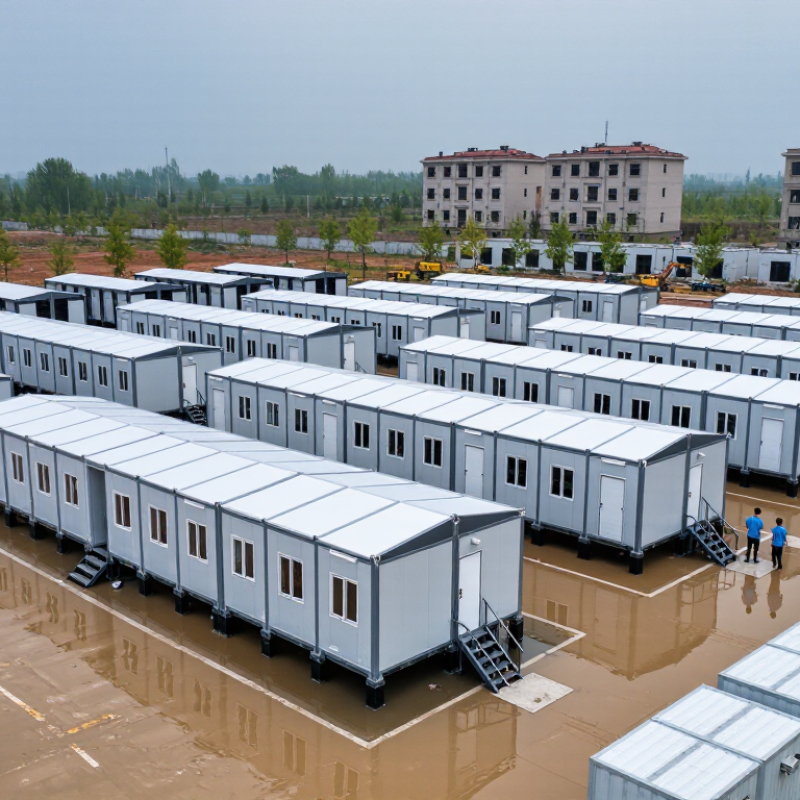
Rapid deployment disaster response shelters are temporary structures designed for fast, safe accommodation after floods, earthquakes, typhoons, or other emergencies. In China, they may support displaced families, rescue teams, medical workers, and local coordinators. Their purpose is not simply to provide a roof. They create an organized space for sleeping, basic healthcare, registration, food distribution, and protection from harsh weather.
A practical shelter should be transportable, stable, ventilated, and easy to assemble. Field experience shows that small details matter. Clear walkways reduce confusion at night. Raised flooring helps during heavy rain. Privacy partitions protect dignity, especially for children, older adults, and families. Fire safety, drainage, lighting, and accessible entrances require professional planning. A shelter may look complete, yet poor airflow or weak anchoring can create serious problems. This is where careful inspection matters. No design is perfect.
Tips: Choose level ground away from flood channels and unstable slopes. Keep emergency exits visible and unobstructed. Test lighting, ventilation, fasteners, and drainage before occupancy. Reserve separate areas for first aid, sanitation, storage, and family rest. Ask local officials and qualified engineers to review the layout. People often focus on speed, but comfort and safety determine whether a shelter truly serves its purpose.
China Top Rapid Deployment Disaster Response Shelters
Definition and Purpose of Rapid Deployment Disaster Response Shelters
Rapid deployment disaster response shelters are temporary structures designed to provide immediate protection, sleeping space, privacy, and basic living conditions after disasters. This chart estimates occupancy capacity using the Sphere Handbook planning benchmark of at least 3.5 square meters of covered living space per person. The figures are calculated planning examples rather than reported deployment statistics.
Core Design Features and Structural Components
Rapid deployment shelters succeed when their structure is predictable, not merely fast. EM-DAT recorded 399 natural-hazard disasters in 2023, affecting about 93 million people. That pressure demands modular frames, clear load paths, and components that crews can inspect quickly. Speed matters. Cold-formed steel or reinforced aluminum frames can reduce assembly time with captive bolts or pinned connections. However, lightweight does not mean weak. Designers should verify wind, snow, seismic, fire, and anchorage requirements against local codes.
A shelter’s envelope is equally important. Insulated panels, sealed roof edges, raised floors, and controlled ventilation protect occupants from heat, rain, dust, and flooding. Drainage channels should direct water away from entrances. Small details matter. Accessible ramps, non-slip flooring, emergency lighting, and separated sanitation zones improve safety without delaying installation. UNHCR emergency guidance also stresses privacy, usable space, and safe access. For Chinese manufacturers serving overseas emergencies, factory quality control must continue at the site.
Built for resilience
The WMO State of Climate Services 2023 reported 11,778 weather, climate, and water-related disasters from 1970 to 2021. This history supports stronger roofs, replaceable wall panels, and corrosion-resistant fasteners. Still, standardization can become a weakness. A repeated module may fit a flat camp but fail on soft soil or a narrow urban site. Engineers should document soil checks, connection inspections, and post-assembly defects. Not every design decision will be perfect. Transparent revision records make the next deployment safer.
Manufacturing, Transportation, and On-Site Deployment
China Top Rapid Deployment Disaster Response Shelters
Manufacturing, Transportation, and On-Site Deployment
Reliable disaster shelters begin with disciplined manufacturing, not rushed delivery. Production teams should verify frame strength, fabric performance, floor loading, and ventilation before packing. Each unit needs clear identification, measured dimensions, and documented inspection records. Factory testing should include repeated folding, connection checks, and water resistance trials. Small defects become serious problems during emergency deployment. Space matters. A practical shelter must support beds, lighting, medical equipment, and safe movement.
Transportation planning is equally important. Shelters should be packed according to unloading order, not convenience alone. Moisture barriers, corner protection, and shock-resistant crates help reduce damage during long-distance movement. A complete shipment includes tools, replacement fittings, printed instructions, and a packing list. Local roads may be narrow or damaged, so vehicle access deserves early review. Conditions change. A delivery schedule that works on paper may fail after heavy rain or traffic restrictions.
On-site crews need a simple deployment sequence and clear safety roles. The ground should be checked for drainage, slope, overhead hazards, and access for emergency vehicles. Teams must anchor structures according to local weather and building requirements. They should also maintain fire separation, accessible entrances, sanitation areas, and electrical safety controls. Experienced supervisors record each inspection with photographs and time stamps. Not perfect. Field plans can still overlook fatigue, language barriers, or missing tools, so a short rehearsal often reveals weaknesses before residents arrive.
China Top Rapid Deployment Disaster Response Shelters - Manufacturing, Transportation, and On-Site Deployment
Planning guide: timings and logistics are indicative, not guaranteed specifications. Actual performance depends on shelter dimensions, order configuration, crew training, transport route, weather, site preparation, and local safety requirements.
Emergency Functions, Equipment, and Living Conditions
Rapid-deployment disaster shelters must do more than provide a roof. They need to create a dry, organized space where people can rest, receive basic care, and get reliable information. A clear entrance helps staff guide residents during a busy arrival. Separate areas for sleeping, first aid, and supplies can reduce confusion. Even simple signs matter.
Useful equipment depends on the site and the emergency plan. Lighting, safe heating or cooling, fire alarms, first-aid supplies, and charging points may all be needed. Drinking water and sanitation require careful planning, not guesswork. Staff should check equipment before use and explain how residents can report faults. A shelter is only dependable when its systems work together.
Living conditions shape whether people can recover their strength. Dry bedding, privacy screens, ventilation, and quieter spaces can make crowded nights more manageable. Keep walkways clear for children, older adults, and people with mobility needs. Small details matter. Still, a temporary shelter cannot offer the comfort or privacy of home, and noise may remain difficult. Regular feedback from residents can reveal what needs adjustment, even when the first setup seemed adequate.
Applications, Benefits, and Operational Limitations
China Top Rapid Deployment Disaster Response Shelters
Rapid deployment disaster response shelters support communities after earthquakes, floods, typhoons, and other emergencies. They can serve as temporary sleeping areas, medical posts, registration points, or supply offices. Their modular design allows teams to expand a site as more families arrive. In practice, trained crews can install many units within hours, depending on ground conditions, transport access, and weather.
The main benefits are speed, portability, and flexible use. Shelters with insulated panels can reduce heat loss during cold nights and limit indoor heat during sunny days. Separate spaces also improve privacy and help organize medical care. However, these structures are not complete solutions. Poor anchoring may create safety risks during strong winds. Uneven ground can affect doors and drainage. Heat, condensation, noise, and limited sanitation can quickly reduce comfort. They also require regular inspection, cleaning, and repair. A shelter that looks ready may still fail operationally.
Tips: Assess the site before delivery. Check drainage, wind exposure, access routes, lighting, and nearby water points. Keep clear lanes for ambulances and supply vehicles. Store spare fasteners, tarpaulins, tools, and cleaning materials on site. Ask residents about accessibility and privacy needs, because standard layouts can overlook older people, children, or disabled users. Field experience shows that speed matters, but rushing setup can create problems later. Shelters should be treated as temporary infrastructure, not permanent housing.
FAQS
It is a temporary structure that provides safe accommodation after emergencies such as floods or earthquakes. It can support displaced families, rescue teams, and medical workers.
Separate spaces for sleeping, first aid, sanitation, storage, and family rest help reduce confusion. Clear signs and walkways make movement easier.
Choose level ground away from flood channels and unstable slopes. Raised flooring and working drainage help keep sleeping areas dry.
Check lighting, ventilation, fasteners, drainage, and emergency exits. Poor anchoring or airflow can create serious problems.
Depending on the site, shelters may need lighting, safe heating or cooling, fire alarms, first-aid supplies, charging points, drinking water, and sanitation facilities.
Dry bedding, privacy screens, ventilation, and quieter spaces can make crowded nights more manageable. Still, a temporary shelter cannot feel like home.
Keep walkways clear, especially for children, older adults, and people with mobility needs. Explain how residents can report equipment problems.
Their comments can reveal problems that an initial inspection missed. Noise may remain difficult, but small adjustments can improve daily conditions.
Conclusion
Rapid deployment disaster response shelters are temporary, modular structures designed to provide safe accommodation and essential support soon after earthquakes, floods, storms, fires, or other emergencies. In China, these shelters are typically developed with lightweight yet durable frames, weather-resistant outer materials, insulated panels, secure connections, ventilation, and adaptable interior layouts. Their design balances rapid assembly, structural stability, transport efficiency, and basic privacy, allowing units to serve as sleeping areas, medical posts, coordination rooms, storage spaces, or community facilities.
Manufacturing usually focuses on standardized components that can be packed, transported, and assembled with limited equipment and trained personnel. Once on site, shelters may be equipped with lighting, power systems, heating or cooling, sanitation facilities, water storage, communications tools, and emergency furnishings. They can protect displaced people and support organized relief operations, while reducing setup time compared with permanent construction. However, their performance depends on site conditions, weather, maintenance, logistics, available utilities, and the duration of use. They are an important short-term solution, but should complement, rather than replace, long-term recovery and resilient housing.