In 2026, Galvanized steel micro-shelters are becoming practical answers for compact public spaces, transport stops, campuses, and emergency gathering points. Their small footprints suit crowded streets, while zinc-coated steel helps resist rain, road salt, and everyday abrasion. A good design still depends on more than corrosion protection. Small details matter.
This guide examines leading shelter types, including transit shelters, bike shelters, smoking shelters, security booths, utility enclosures, and modular storage shelters. Each type serves a different purpose. A bus shelter may need clear sightlines, seating, lighting, and wind protection. A bike shelter requires stronger locking points and controlled water drainage. Utility shelters often prioritize ventilation, restricted access, and equipment clearance. These differences influence panel thickness, roof geometry, anchoring, and maintenance requirements.
Field experience shows that sheltered spaces can feel uncomfortable when designers ignore condensation, summer heat, or poor airflow. Galvanized steel can perform reliably, but it is not maintenance-free. Cut edges, fasteners, weld zones, and trapped moisture deserve regular inspection. That point is sometimes overlooked. Local building, accessibility, fire, and structural requirements must also guide final specifications. Product brochures may simplify these issues too much. A qualified engineer, contractor, or facilities manager should verify the design before installation. The strongest options balance durability, appearance, user comfort, installation speed, and long-term cost. Not every popular model fits every site. This comparison helps readers question attractive features and choose more responsibly.
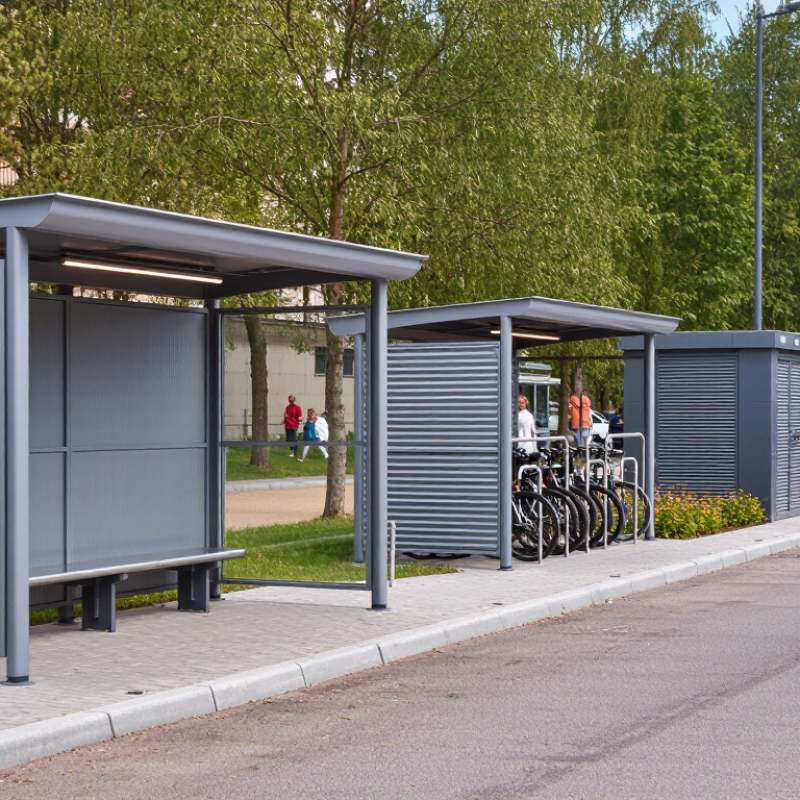
What Are Galvanized Steel Micro Shelters?
What Are Galvanized Steel Micro Shelters?
Galvanized steel micro shelters are compact structures made for short-term protection, equipment housing, or controlled outdoor use. They may include a steel frame, corrugated panels, ventilation openings, and a lockable access door. Their small footprint suits construction sites, transit areas, emergency support locations, and remote utility points. The term is still flexible. It does not describe one fixed design.
Galvanizing protects steel by bonding a zinc coating to its surface. Industry durability studies commonly report service lives exceeding 50 years in rural environments, while harsh coastal or industrial conditions can reduce performance. The exact result depends on coating thickness, drainage, salt exposure, and maintenance. ASTM A123/A123M is widely used for hot-dip galvanized structural steel, helping buyers verify coating requirements. Check the specification carefully.
A useful shelter should handle more than rain. Field experience shows that roof overhangs, raised bases, sealed joints, and cross-ventilation often matter as much as panel thickness. Interior condensation remains an overlooked problem. It can appear on a cold morning, even when the outside surface looks dry. The World Steel Association reported 1.89 billion tonnes of crude steel production in 2023, showing the material’s massive industrial scale, but volume alone does not guarantee a good shelter. Galvanized steel can be durable, recyclable, and relatively quick to install. Still, lightweight designs may vibrate under strong wind. That weakness deserves honest review before selection.
How Galvanized Steel Micro Shelters Are Designed and Built
Designing a galvanized steel micro shelter starts with its use, not its appearance.
A maintenance kiosk, security booth, or compact rest space needs different loads and openings. Designers measure the site, wind exposure, snow depth, drainage, and access routes. They also check how occupants move around doors, benches, and equipment. Galvanized steel provides a durable zinc barrier, but it does not replace engineering. A qualified engineer selects sections, connections, and foundation details for the actual location. Small structures still face large forces.
Fabrication usually begins with cut profiles, formed panels, and drilled connection points.
Welds require careful planning because trapped chemicals or poor venting can damage the coating during hot-dip galvanizing. Drain holes and lifting points must be included before dipping. After galvanizing, workers inspect coating coverage, threaded areas, sharp edges, and dimensional accuracy. Some touch-up work may be necessary. It should follow the relevant coating standard and project specification. Small errors matter.
On site, the shelter is set on a level foundation with verified anchors.
Crews check plumb, door swing, roof drainage, and sealant around penetrations. Ventilation openings reduce condensation, especially when warm air meets cold steel. In practice, the first layout is rarely perfect. A buried service, uneven slab, or unexpected wind direction can change the installation plan. Good teams record these changes, inspect every connection, and avoid hiding problems behind interior panels. Fit matters. The shelter should remain easy to maintain years later, not merely quick to assemble.
Main Types of Galvanized Steel Micro Shelters in 2026
Galvanized steel micro shelters are becoming practical solutions for compact urban spaces in 2026. Their zinc-coated steel panels resist rain, surface corrosion, and frequent cleaning. The main types include storage shelters, work pods, security booths, bicycle shelters, and small sanitation units. Each type serves a different daily need.
Storage shelters protect tools, waste containers, maintenance equipment, and delivery materials. They often include lockable doors, raised floors, roof drainage, and adjustable ventilation. Work pods provide a dry area for brief tasks, inspections, or site coordination.
Security booths usually add wide windows, anti-slip flooring, lighting, and clear sightlines. Bicycle shelters need strong anchoring and enough turning space, not only a weatherproof roof. Small sanitation shelters require careful plumbing, ventilation, washable surfaces, and dependable drainage.
Design selection should follow actual use, not appearance alone. A narrow shelter may fit a crowded walkway, but poor door clearance can frustrate users every day. Experienced installers check wind exposure, foundation levels, drainage paths, and access for maintenance. Galvanized steel is durable, yet damaged edges can still develop rust if ignored. Regular inspections remain necessary. Local building, accessibility, fire, and electrical requirements also influence the final layout. One overlooked detail matters: condensation can collect inside a sealed shelter. Vents, insulation, and a small air gap often improve comfort. The best type is not always the largest or cheapest. It is the shelter that fits its site, users, and maintenance capacity with fewer compromises.
Key Features and Uses of Each Shelter Type
2026 Top Types of Galvanized Steel Micro Shelters
Key Features and Uses of Each Shelter Type
Telecom micro shelters protect batteries, routers, and wireless equipment. Their galvanized steel panels resist rain, impact, and surface corrosion. Ventilation louvers control heat, while sealed cable entries reduce dust and moisture. GSMA reported about 5.6 billion unique mobile subscribers in 2023. That scale increases demand for compact network sites. Yet, poor airflow can shorten battery life. Designers should verify cooling loads locally.
Utility control shelters house switchgear, meters, and backup controls near substations or renewable-energy sites. They usually need fire-rated insulation, raised floors, grounding points, and lockable access. The International Energy Agency estimated global data-center electricity use at about 415 TWh in 2024. Small edge shelters will support parts of this expanding digital infrastructure. They are not miniature buildings. Cable routing often decides the usable space.
Transit and security micro shelters offer weather protection at stations, checkpoints, and remote facilities. Transparent panels improve visibility, while galvanized frames provide a rigid, low-maintenance structure. Storage and worker shelters are simpler, with shelving, lighting, and replaceable wall sections. They suit construction sites and municipal maintenance yards.
Tips: Select the coating thickness after reviewing humidity, salt exposure, and cleaning chemicals. Keep drainage clear. A small shelter still needs safe access, thermal testing, and realistic maintenance space. Industry reports provide useful averages, but the site always behaves differently.
2026 Top Types of Galvanized Steel Micro Shelters
Typical footprint and planning capacity by shelter type. Galvanized steel is commonly selected for outdoor structures because its zinc coating provides corrosion protection with low routine maintenance.
Bike Parking Shelter: Protects bicycles from rain and sunlight while supporting organized cycle parking.
Passenger Waiting Shelter: Provides covered standing space at transit stops, campuses, and public facilities.
Smoking Shelter: Creates a designated ventilated outdoor area away from building entrances.
Waste Bin Enclosure: Screens refuse containers and helps keep service areas cleaner and more orderly.
Guard or Equipment Kiosk: Offers compact weather protection for security staff, controls, or site equipment.
Planning values are calculated from the representative footprints shown and typical space allowances: approximately 1.2 m of bike parking length and 0.9–1.0 m² per standing person. Final capacity depends on local codes, accessibility clearances, doors, and internal equipment.
How to Choose the Right Galvanized Steel Micro Shelter
Choosing the right galvanized steel micro shelter starts with its purpose, not its appearance. A compact utility shelter may protect tools, while a personnel shelter needs better ventilation, lighting, and safe access. Measure the equipment, door swing, and walking space before ordering. I once underestimated clearance around a service panel. That small mistake made routine maintenance awkward.
Check the steel thickness, zinc coating, roof design, and connection quality. A heavier coating can improve resistance in wet or coastal environments, but drainage still matters. Look for sloped roofing, sealed joints, and raised flooring where water may collect. Consider wind, snow, temperature changes, and ground conditions at the installation site. A shelter that suits a dry yard may fail in a windy industrial area.
Ventilation deserves careful attention. Poor airflow can trap heat and moisture inside. For electrical or mechanical equipment, ask about heat release and access requirements. Confirm that the shelter can be anchored securely without damaging underground services. Local construction, fire, and electrical requirements may also affect the design, so consult a qualified professional when needed. Specifications can look impressive on paper. Real performance depends on installation, inspection, and regular maintenance. Inspect fasteners, coating damage, seals, and drainage channels at least periodically. Don’t ignore small rust spots.
Conclusion
Galvanized steel micro-shelters are compact, durable structures designed to provide efficient protection in limited spaces. Made with corrosion-resistant galvanized steel, they combine strength, low maintenance, and long service life with flexible layouts. Their design and construction typically focus on modular framing, secure panels, weather protection, ventilation, insulation options, and practical access. In 2026, common types may include compact storage shelters, utility enclosures, garden and equipment shelters, bicycle shelters, outdoor work pods, and small service structures.
Each shelter type serves a different purpose, from protecting tools and machinery to creating a sheltered area for bikes, maintenance tasks, or organized outdoor storage. Important features may include customizable dimensions, reinforced doors, drainage solutions, lighting readiness, ventilation, and adaptable interior space. When choosing among Galvanized steel micro-shelters, buyers should consider the intended use, available site area, local weather conditions, security needs, installation method, maintenance expectations, and future expansion. A well-matched shelter can deliver dependable performance while making efficient use of valuable space.