
Global Demand Analysis: The Evolution of Modular Camp Accommodation Solutions
The global remote infrastructure, mining, energy, and humanitarian emergency sectors are undergoing a paradigm shift in temporary and permanent workforce housing procurement. Traditional site shacks, canvas tents, and non-insulated field structures have proven inadequate in meeting modern workplace safety standards, environmental sustainability mandates, and extreme weather resilience requirements. As international project owners evaluate total cost of ownership (TCO), speed of deployment, and human dignity standards, searching for verified China Best Camp Accommodation Factories & Suppliers has become a mission-critical strategic activity for EPC (Engineering, Procurement, and Construction) contractors globally.
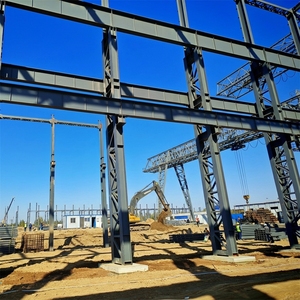
Leading Chinese manufacturing hubs have matured from basic steel fabricators into highly sophisticated, vertically integrated architectural off-site construction leaders. By combining heavy structural steel engineering (Q235B/Q355B hot-dip galvanization) with advanced automated sandwich panel production lines, top-tier factories can produce modular accommodation units, expandable container homes, and steel structure workshops engineered to withstand hurricane-force winds (up to 210 km/h), severe seismic events (Grade 8+ acceleration), and extreme thermal environments ranging from arctic cold (-40°C) to desert heat (+55°C).
Rapid Factory Off-Site Precision
Over 70% of structural manufacturing, electrical rough-in, plumbing conduit installation, and interior surface finishing occurs within climate-controlled factory environments, reducing on-site construction timelines by up to 60%.
Optimized Freight & Logistics Density
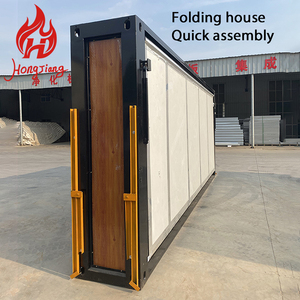
Engineered for maximum shipping efficiency. Innovations such as 18-inch height flat-pack folding units and expandable 20ft/40ft modular frames allow up to 10 units per flatbed, drastically undercutting ocean freight overhead.
Certified Structural & Thermal Integrity
Units are manufactured under rigorous quality systems, incorporating Class-A fire-rated non-combustible insulation (rockwool/PU), Energy Star compliance standards, and structural frame warranties exceeding 10 to 25 years.
Engineering Comparison: Camp Accommodation Typologies
To assist procurement directors and project engineers in specifying the correct camp architecture, the table below provides a detailed structural, thermal, and logistical comparison across primary modular building typologies manufactured by premier Chinese suppliers.
| Building Typology | Structural Frame Spec | Wall & Insulation Type | Wind / Seismic Rating | Assembly Speed | Best Use Case Scenario |
|---|---|---|---|---|---|
| Flat-Pack Container Shelter | Cold-rolled Galvanized Steel Profile (3.0mm-4.0mm) | 50mm-100mm Rockwool / PU Sandwich Panel | Wind: 180 km/h Seismic: Grade 8 |
4 Workers / 3 Hours per Unit | Workforce dormitories, disaster management, transitional housing camps. |
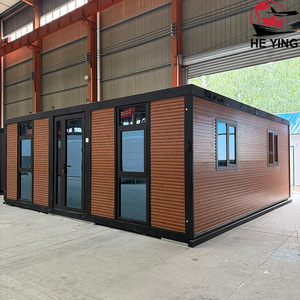
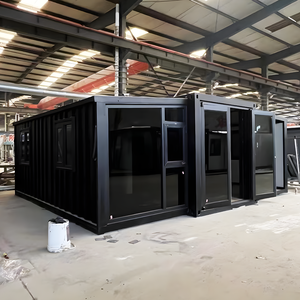
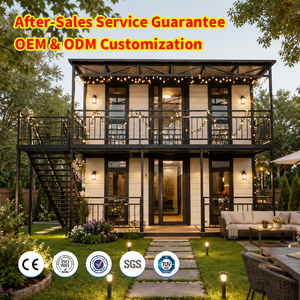
| Expandable Container Villa | Heavy Steel Box Frame + Hinge Expansion System | 75mm Fiber-reinforced Fireproof Wallboard | Wind: 190 km/h Seismic: Grade 8+ |
2 Workers / 15 Mins Unfold | Multi-bedroom living quarters, remote site offices, VIP staff quarters. |
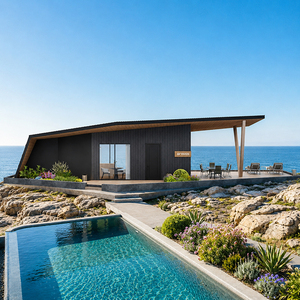
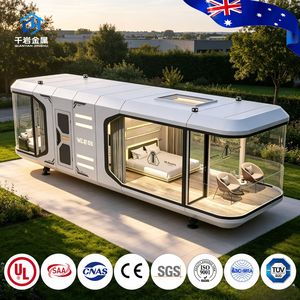
| Aluminum Alloy Space Capsule | High-Strength Aviation Aluminum Shell + Steel Chassis | Polyurethane Spray Foam Air-Gapped Thermal Core | Wind: 200 km/h Seismic: Grade 9 |
100% Factory Finished (Plug & Play) | Eco-tourism resorts, high-end mining executive suites, glamping sites. |
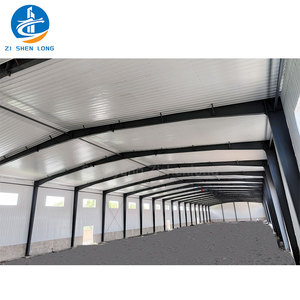
| Modular Steel Structure Workshop | Welded H-Beam / C & Z Purlins (Q355B Steel) | Corrugated Single Sheet or Sandwich Panel Roof | Wind: 210 km/h Seismic: Grade 8 |
Crane-assisted Bolt Assembly | Heavy equipment maintenance sheds, site warehouses, processing plants. |
Information Gain Key Insight: Preventing Thermal Bridging & Condensation in Remote Camps
A common failure point in low-grade site accommodation is condensation buildup and thermal bridging at column-to-beam joints. Top China camp accommodation factories eliminate this through broken-bridge PVC gaskets, continuous rockwool thermal barrier seals, and dual-pane Low-E argon-filled glazing systems. When procuring units for regions with high temperature deltas (such as deserts or sub-zero mining sites), always mandate thermal break structural details in your RFQ specifications.
Future Procurement Trends in Camp Accommodation (2025–2030)
The global modular construction landscape is rapidly evolving under the influence of stringent ESG (Environmental, Social, and Governance) criteria, rising carbon taxes, and remote labor shortage challenges. Forward-thinking procurement managers are leveraging several key trends when selecting suppliers in China:
- 1. Off-Grid Hybrid Energy Integration: Next-generation camp accommodation units are increasingly shipped with factory-prewired microgrid interfaces. Roof structures are engineered with load-bearing capacity for integrated Solar PV panels, coupled with battery storage racks and graywater recycling conduits, allowing camps to operate with minimal diesel generator reliance.
- 2. Micro-Shelter High-Density Packaging: Ultra-flat packaging engineered to 18-inch compressed profiles allows 10 complete micro-shelter modules to fit onto a single flatbed trailer. This dramatically slashes freight carbon footprint and reduces transport costs to remote landlocked mining concessions.
- 3. Advanced Fire Safety & Non-Combustible Materials: In response to strict mining safety audits and municipal government emergency management standards, premium suppliers have phased out EPS (Expanded Polystyrene) in favor of high-density rockwool (minimum 120kg/m³) and Class A fire-rated structural fiber-cement boards capable of enduring 1,400°F fire exposure.
- 4. Re-usable & Relocatable Zero-Trace Architecture: Modern infrastructure contracts demand zero permanent site alteration. Modern container and steel modular systems utilize quick-disconnect concrete pier anchor systems, enabling 100% camp relocation with zero environmental legacy when project leases expire.
Supplier Evaluation Framework: How to Select a Reliable Chinese Factory
Not all prefabricated housing suppliers offer the same structural rigors. When conducting supplier audits, international buyers should evaluate factories against the following four-tier compliance checklist:
1. Metallurgy & Steel Certification
Ensure the manufacturer supplies mill test certificates (MTC) proving Q235B or Q355B structural steel grades with minimum hot-dip galvanization thickness of 275g/m² (Z275) to prevent structural rust in coastal or chemical environments.
2. NDT Weld Testing & AWS Compliance
Verify that load-bearing corner fittings, column joints, and roof trusses undergo Non-Destructive Testing (NDT ultrasonic/magnetic particle tests) certified by certified CWI (Certified Welding Inspector) engineers following AWS D1.1 standards.
3. Pre-Shipment Modular Fit-Up Trial
Require your supplier to conduct a 100% factory trial assembly of a 10-unit or 20-unit block before container loading to verify bolt hole alignments, electrical quick-connect harness continuity, and water-tight roof seal integrity.
4. Full Supply Chain Interior Turnkey Integration
Select factories capable of supplying certified sanitary ware, commercial kitchen stainless equipment, fire suppression systems, and durable furniture directly integrated into the modular packing manifest to streamline customs clearance.