
Direct factory-grade modular buildings, hurricane-proof expandable containers, and heavy structural metal frames built to ISO 9001, CE, and HUD-compliant engineering specs.
Data-backed parameters driving modern frame shelter manufacturing across top tier Chinese industrial clusters.
Selecting premier frame shelter suppliers in China requires examining core metallurgy and coating technology. Leading manufacturers utilize cold-formed high-tensile steel (Q235B and Q355B structural grades) combined with hot-dip galvanization conforming to ISO 1461 standards. This guarantees a minimum zinc coating weight of 275 g/m², providing robust protection in coastal marine environments (C4/C5 atmospheric corrosion categories).
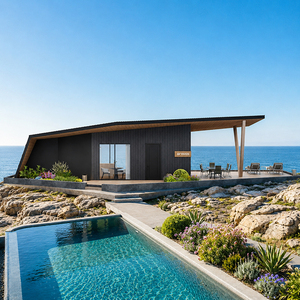
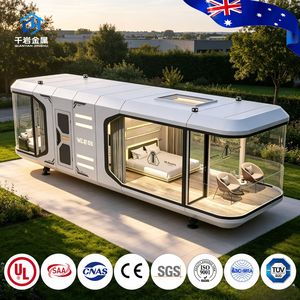
For high-end modular micro-villas and architectural tiny houses, structural frame integrity shifts toward 6063-T6 architectural-grade extruded aluminum alloys. These systems combine low deadweight with high flexural strength, resisting seismic accelerations up to Peak Ground Acceleration (PGA) 0.4g (equivalent to Seismic Zone 4 compliance).
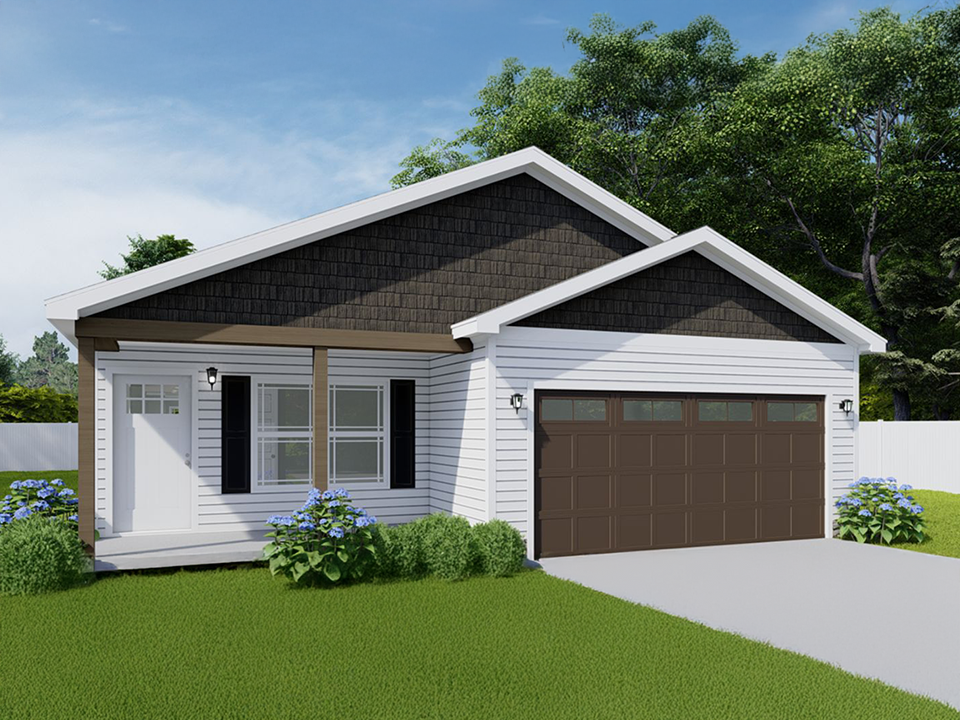
Comprehensive technical specification guide for B2B procurement officers, developers, and disaster relief program managers.
| Shelter Architecture Category | Structural Frame Material | Wind Load / Seismic Rating | Thermal Envelope R-Values | Primary Commercial Intent |
|---|---|---|---|---|
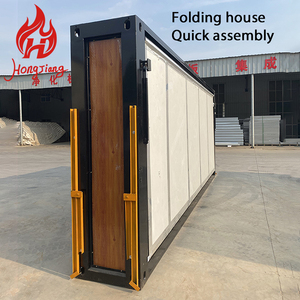
| Flat-Pack Emergency Micro-Shelters | 1.8mm–2.5mm Hot-Dip Galvanized C-Channel Steel Frame | Wind Class 12 (120 km/h) / Seismic Zone 4 | R-14 Walls / R-20 Roof (EPS/PU Core) | Disaster response, transitional refugee housing, emergency relief sites. |
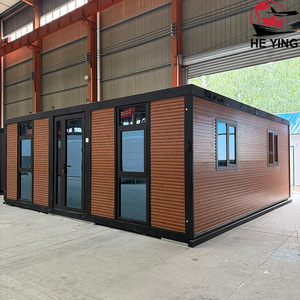
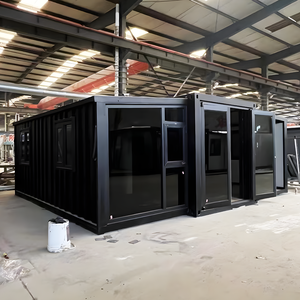
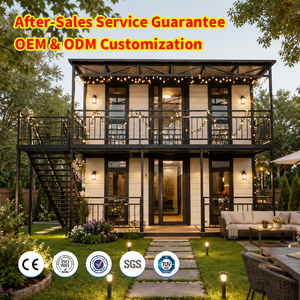
| Expandable Container Villas | Dual-Beam Galvanized Steel Hinged Box-Chassis Frame | Wind Resistance 140 km/h / Seismic Magnitude 8.0 | R-21 Walls / R-38 Roof (Glasswool Insulation) | Workforce camps, remote mining accommodation, residential infill. |
| Luxury Aluminum Micro-Villas | 6063-T6 Extruded Anodized Aluminum Structural Skeleton | Wind Load 0.60 kN/m² / Seismic Acceleration 0.45g | R-25 Composite Thermally-Broken Envelope | Ecotourism resorts, glamping pods, luxury urban ADUs. |
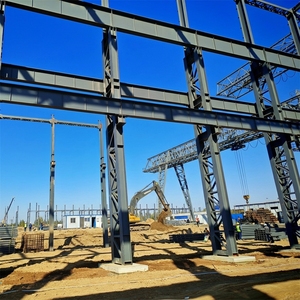
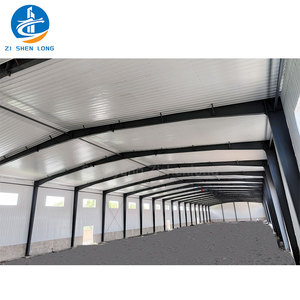
| Industrial Heavy Steel Plants | H-Section Q355B Welded Structural Steel Portal Frame | Custom ASCE 7-16 / IBC Standard Specs | Custom Rockwool Sandwich Wall & Roof Panels | Commercial logistics hubs, manufacturing facilities, heavy warehouses. |
Information Gain Procurement Insight: Sourcing directly from top-tier Chinese manufacturers yields a 35%–50% reduction in capital expenditure per square meter compared to Western off-site prefabrication, while fulfilling identical ISO 9001 quality audits, CE machinery directives, and international building codes (IBC/HUD standard options).
Leveraging off-site construction automation, integrated supply chains, and international compliance certification.
By executing 70% of structural fabrication, wiring harness installation, and thermal insulation off-site in climate-controlled factories, weather-related delays are eliminated while structural tolerance is kept within ±1.5mm.
Our galvanized steel micro-shelters and frame buildings feature Class A fire ratings up to 1,400°F, high microbial/mold resistance, and air-gapped thermal envelopes engineered for desert ambient heat and arctic sub-zero cold.
Precision structural folding allows rapid-deploy emergency units to flat-pack down to 18 inches in height. Up to 10 completed micro-shelters load into a single 40ft High-Cube container, slashing ocean freight costs by up to 75%.
Select prefabricated permanent structures meet international building standards and HUD compliance metrics, qualifying for 30-year conventional financing loans (including Fannie Mae MH Advantage and Freddie Mac CHOICEHome programs up to 95% LTV).
From solid hardwood cabinetry and quartz kitchen islands to Samsung integrated smart appliances, dual HVAC climate loops, and dry-wall acoustics, units arrive up to 90% pre-furnished for plug-and-play installation.
For temporary workforce camps and environmental protection zones, our modular frame shelters require minimal foundation disturbance and offer 100% deconstructability, leaving zero residual environmental footprint upon site decommissioning.
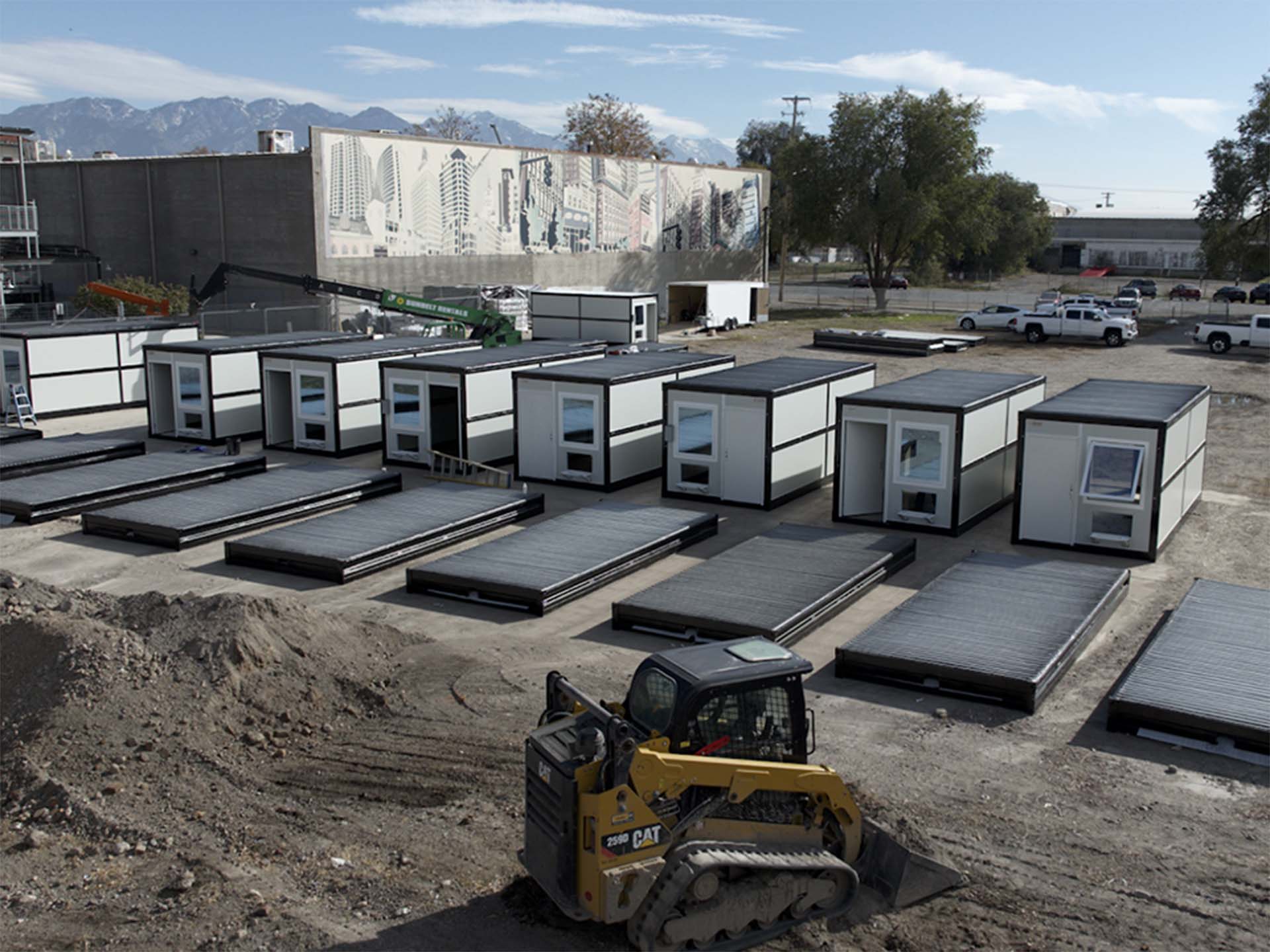
The global frame shelter procurement landscape is undergoing a structural paradigm shift driven by geopolitical urgency, urban housing deficits, and extreme weather events. Key trends shaping procurement decisions include:
Top Chinese OEMs are transitioning to low-emission Electric Arc Furnace (EAF) steel production and recyclable aluminum profiles. Closed-loop manufacturing ensures that up to 98% of structural steel frame components can be recycled at end-of-life, fulfilling strict ESG mandates for European and North American buyers.
Modern frame shelters are increasingly requested with factory-integrated BIPV (Building-Integrated Photovoltaic) roof membranes, atmospheric water generators, and lithium battery storage systems. This enables immediate operational readiness for remote disaster relief, government field command centers, and mining exploration camps.
Leading suppliers in China now mandate Building Information Modeling (BIM) Level 3 workflows. B2B buyers can review millimeter-accurate 3D digital twins of cold-formed steel frames, mechanical/electrical/plumbing (MEP) schematics, and structural stress simulations prior to automated CNC robotic welding and cutting.
Innovative hinge systems and hydraulic assisted expansion structures allow 40ft containerized frame shelters to unfold into a 4-bedroom living complex within 30 minutes using a 2-person installation team, drastically slashing on-site labor overhead.
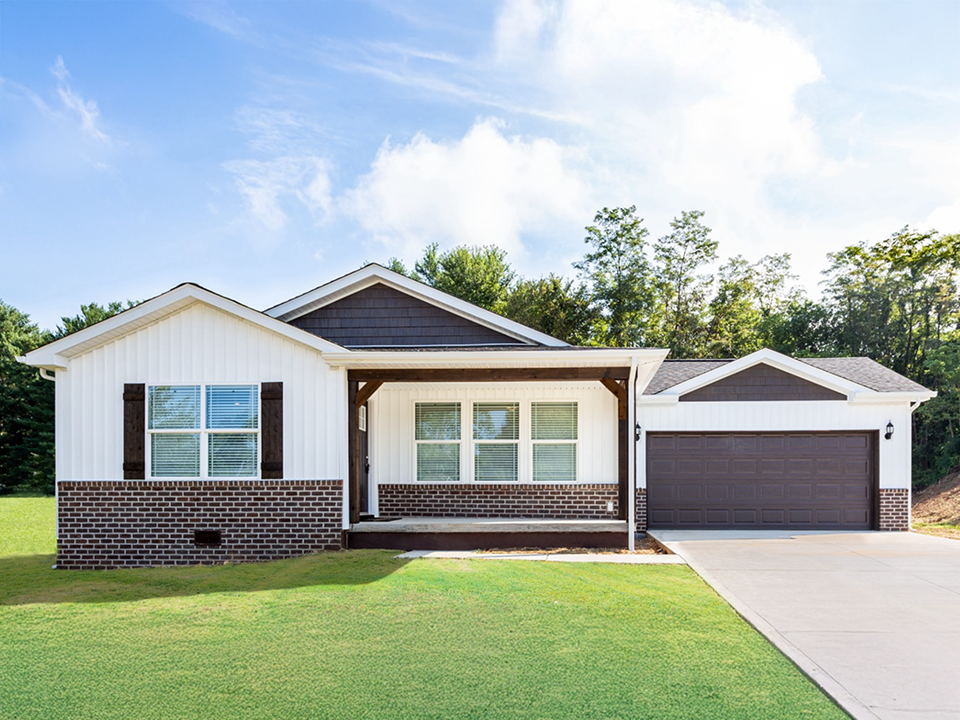
Deployable structural frame systems custom-configured for municipal, industrial, and humanitarian projects worldwide.
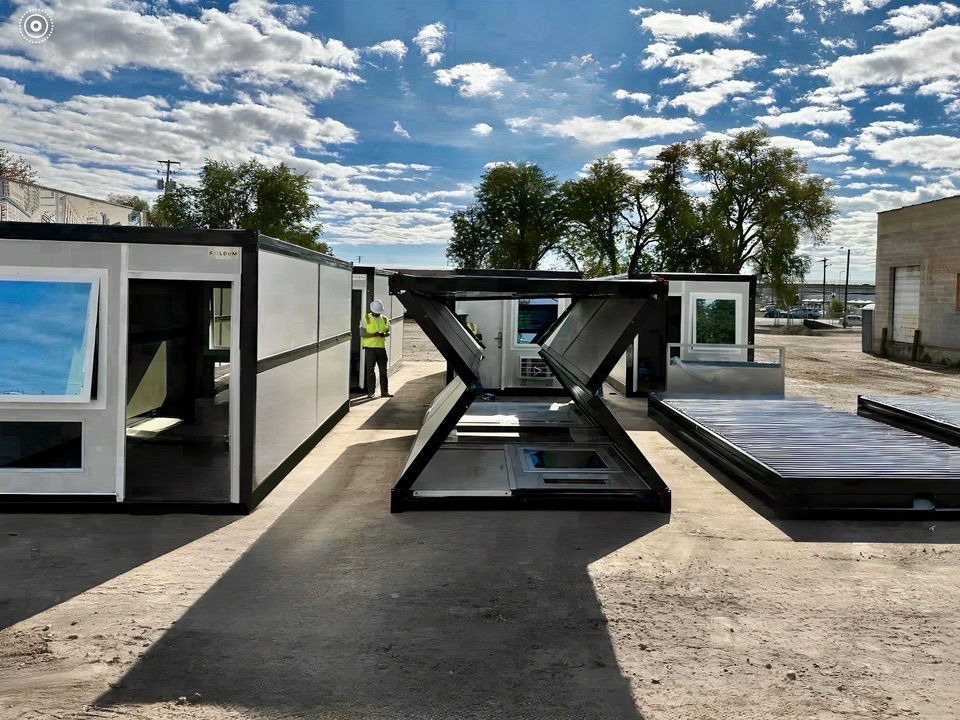
Rapid-deploy transitional housing networks engineered for civil defense authorities, complying with local fire safety standards, public health regulations, and ADA accessibility guidelines.
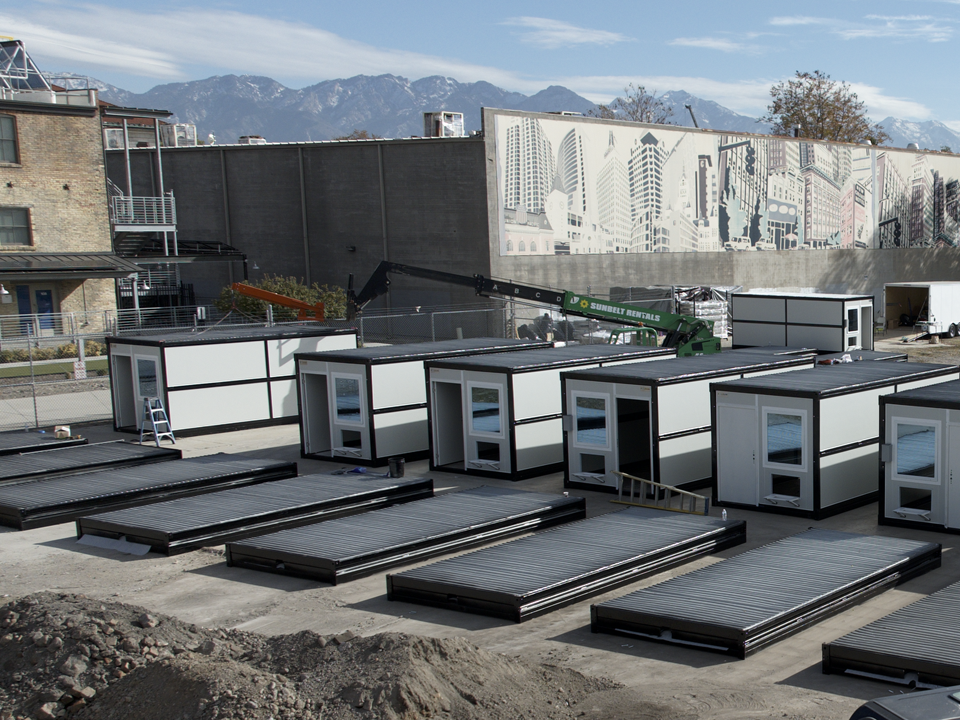
Flat-packed emergency micro-shelters designed for immediate airlift or flatbed shipment to active seismic or flood recovery zones, providing secure, climate-controlled shelter in hours.
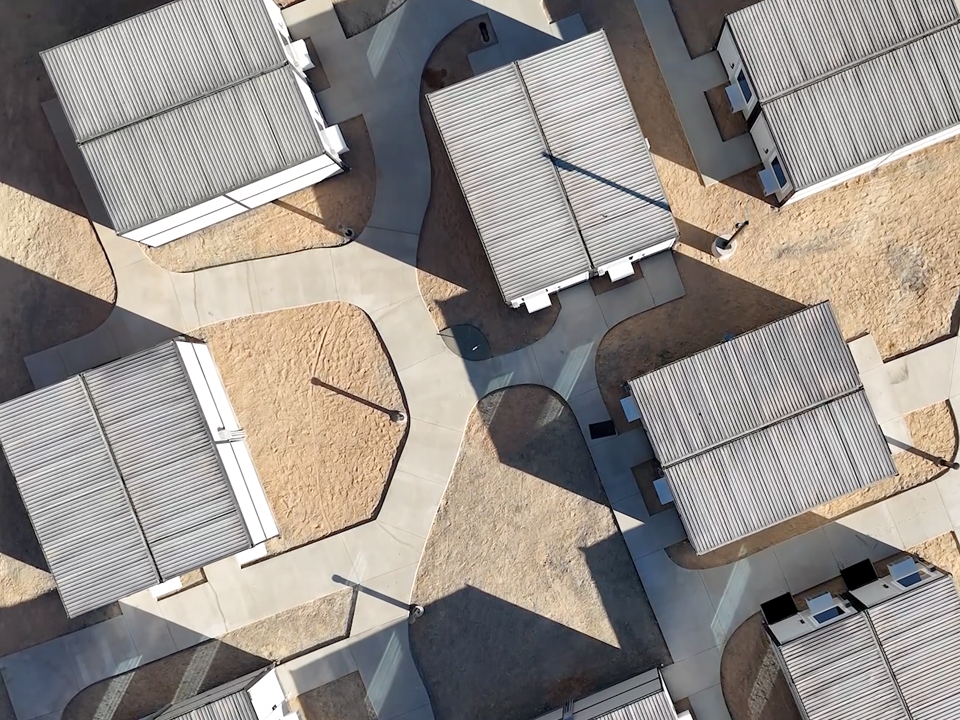
Heavy-duty modular dormitories, kitchen facilities, and administrative offices built for remote oil, gas, mining, and infrastructure construction crews needing long-term durability.
Essential guidance on structural compliance, shipping logistics, customization options, and factory audits.