
Explore China's premier commercial mobile cabins engineered with fluorocarbon aviation aluminum, hot-dip galvanized steel frames, and smart IoT automation. Built for high-ROI glamping resorts, boutique lodging, and eco-tourism developments.
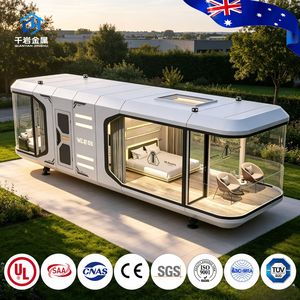
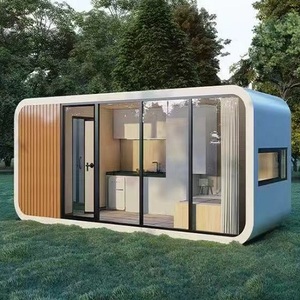
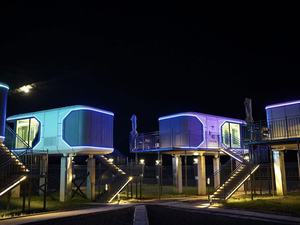
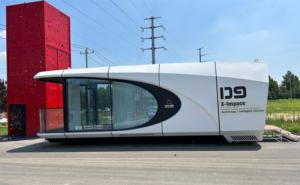
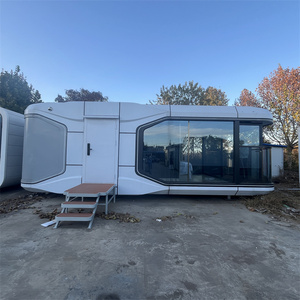
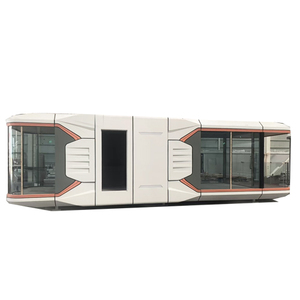
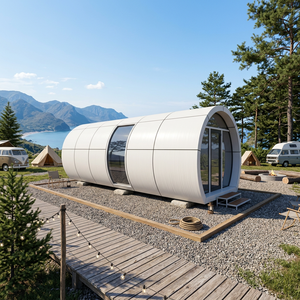
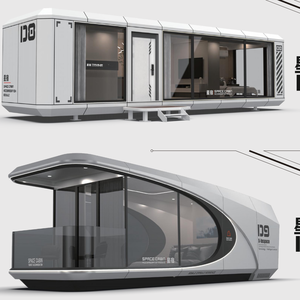
China has established itself as the global epicenter for modular prefabrication and futuristic vessel architectural manufacturing. By combining advanced metallurgical engineering with high-capacity factory assembly lines, Chinese manufacturers provide structural integrity, thermal resistance, and cost efficiencies that traditional on-site construction cannot rival.
Information Gain Insight: Unlike standard flat-pack container units, modern space capsule cabins utilize aviation-grade fluorocarbon aluminum cladding combined with monocoque structural framing. This eliminates roof leakage risks, prevents thermal bridging, and allows rapid resort deployment without heavy concrete foundations.
Built with Q235/Q355 hot-dip galvanized steel chassis and T6063 fluorocarbon-coated aluminum outer shells. The structural skeleton is fire-rated, seismic-rated (Intensity 8), and built to resist extreme marine coastal salinity without surface degradation.
Every capsule pod integrates a 100mm high-density polyurethane (PU) foam insulation core paired with aerogel coatings. Together with 6mm+12A+6mm double-tempered argon-filled Low-E glass skylights, thermal transmittance (U-value) is maintained below 0.25 W/m²K.
Units leave the factory pre-wired with integrated RS485 smart home central controllers. Guests enjoy keyless card entry, voice-activated curtain controls, mood lighting scenes, and automated climate adjustments—ideal for hotel management automation.
A side-by-side technical breakdown of standard China export space capsule configurations to assist project developers and procurement officers in selecting the proper vessel series.
| Specification Category | Compact Glamping Pod (E20 Series) | Luxury Resort Vessel (V35 Series) | Commercial Sleeping Unit (Hostel Pod) |
|---|---|---|---|
| Dimensions (L × W × H) | 5.8m × 2.25m × 2.4m | 8.5m × 3.3m × 3.2m | 11.5m × 3.3m × 3.2m |
| Floor Area | 13.0 m² | 28.0 m² | 38.0 m² |
| Exterior Shell Material | 2.0mm Fluorocarbon Aluminum | 2.5mm Aviation Aluminum Monocoque | Galvanized Steel Frame + Composite Shell |
| Glass Specification | Double-pane Tempered Low-E | 270° Panoramic Curved Low-E Glass | Standard Tempered Security Glass |
| Acoustic Rating (RST) | 42 dB Noise Damping | 48 dB High Isolation Soundproof | 38 dB Inter-room Barrier |
| Freight & Logistics | 1 Unit per 40HQ Container | 1 Unit per 40FR (Flat Rack) Container | 1 Unit per 40FR (Flat Rack) Container |
| On-Grid / Off-Grid Ready | Dual Ready (On-Grid / Off-Grid Solar) | Dual Ready (Off-Grid Septic + Solar) | On-Grid Municipal Sewer Hookup |
Analyzing key shifts in commercial eco-resort development, off-grid infrastructure, and high-efficiency prefabrication technologies from 2025 to 2030.
Traditional prefabricated cabins frequently suffered from roof joints deteriorating under severe sun exposure or heavy rain. China’s leading space capsule factories are shifting to monocoque structural shells utilizing stamped aviation aluminum panels. This continuous exterior shield eliminates panel seams, reduces overall weight by 35% compared to steel-only structures, and cuts shipping freight costs dramatically while offering superior corrosion resistance.
Modern developers are installing resort pods in extreme topographies—such as cliff edges, alpine forests, and deserts—where municipal power and sewer networks do not exist. Future procurement specifications increasingly demand integrated solar micro-inverters, lithium battery bank compartments, rain harvesting systems, and blackwater incineration toilet systems that allow capsule units to operate with zero environmental footprint.
Local zoning and environmental permits often restrict permanent concrete foundation pouring in protected natural landscapes. Modern space capsules solve this hurdle through steel screw pile foundations. The entire structure can be positioned via standard crane truck within 2 hours of arrival, hooked up to utility ports, and rendered fully operational on the same day.
Resort owners are looking to optimize labor overhead. China’s top suppliers now ship capsule pods equipped with centralized PMS (Property Management System) software integration. Guests receive mobile digital keys, automated check-in QR codes, and smart climate activation upon arrival, allowing a single resort manager to effortlessly oversee dozens of dispersed pods.
Addressing the critical engineering, shipping, foundation, and compliance inquiries when importing space capsules directly from China suppliers.
Space capsules are designed according to international standard shipping container dimensions. Compact models (under 2.25m width) fit directly into standard 40HQ (High Cube) ocean containers. Larger luxury suites (2.8m to 3.3m width) are shipped using 40FR (Flat Rack) container frames equipped with protective shrink-wrap coatings and specialized heavy-tie steel bracing to ensure zero damage during oceanic transport.
Space capsules do not require traditional deep foundation slabs. They can be installed on point-supported concrete pads, steel screw piles, or elevated steel platforms. The key requirement is ensuring 4 to 6 level load-bearing points under the primary chassis lifting points, allowing quick installation on uneven terrain, mountain slopes, or beach sands.
Units intended for extreme climates feature an enhanced thermal insulation package. This includes 100mm polyurethane (PU) injection panels, thermal break aluminum window frames, and argon-filled double Low-E glass. Electrical floor heating grids and inverter heat pumps maintain interior temperature stability from -30°C to +50°C while minimizing power consumption.
Yes. Top Chinese space capsule suppliers configure internal wiring, outlets, circuit breakers, and plumbing fixtures to meet regional compliance standards—including CE (Europe), UL/ETL (United States), SAA (Australia), and UKCA (United Kingdom). Voltage configurations (110V-240V, 50/60Hz) are set during factory production.
Standard production lead time for 1 to 5 units is typically 20 to 25 calendar days. For larger resort projects requiring 10+ custom pods, production timelines range between 30 and 45 days. Ocean shipping transit varies by destination port (e.g., 14-18 days to US West Coast, 25-35 days to European ports).
Leading manufacturers provide a 50-year warranty on the main hot-dip galvanized structural steel frame and aluminum outer cladding, a 10-year warranty on double-glazed glass sealants, and a 2-year warranty on interior smart electronics, HVAC systems, and plumbing fixtures.
Contact our engineering engineering team today for complete technical catalogs, floor plan customizations, factory price lists, and land deployment assistance.