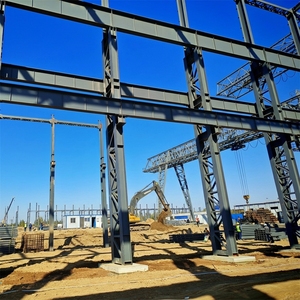

Explore our certified series of industrial steel storage shelters, expandable living pods, luxury modular villas, and rapid-deployment disaster relief units manufactured for extreme weather compliance.
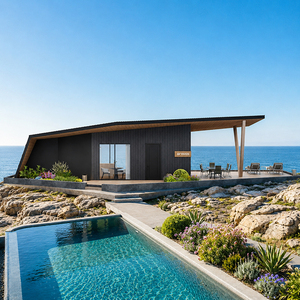
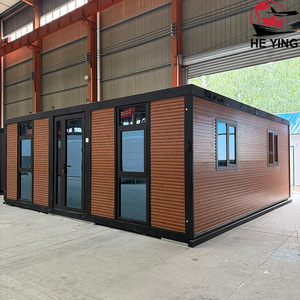
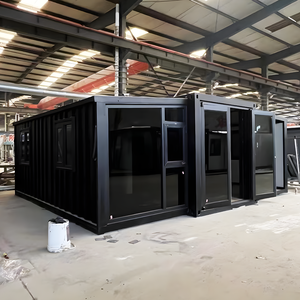
Analyzing manufacturing throughput, steel structural integrity, certified compliance, and supply chain logistics for high-volume B2B procurement projects.
How advanced metallurgy, tensioned PVDF membranes, modular telescopic framing, and automated factory production are shaping the next generation of industrial shelters.
Modern container canopy shelters rely heavily on high-tenacity polyester woven fabrics coated with Polyvinylidene Fluoride (PVDF). Future trends indicate a transition toward self-cleaning nano-titanium oxide topcoats that reflect 92% of solar radiation, reducing internal ambient temperatures by 8–12°C in desert mining operations.
Traditional welding or bolting onto standard CSC-certified shipping containers often causes structural fatigue. Top Chinese manufacturers have engineered zero-damage Twist-Lock Anchor Brackets. These heavy-duty clamps interface directly with container corner castings, cutting setup times from 2 days to under 4 hours per shelter span.
For modular container living units and emergency micro-shelters, structural thermal breaks are now mandatory. Incorporating polyurethane (PU) insulation cores with continuous R-38 roof ratings and R-21 wall assemblies ensures full compliance with North American HUD standards and European EPBD energy directives.
Key financial, logistical, and compliance factors commercial buyers must evaluate when procuring industrial container dome shelters and prefabricated steel buildings.
Container shelter freight costs can equal 30% of total landed expense if improperly packed. Modern factory logistics employ CAD-driven nesting systems where arch trusses, purlins, and tension fabrics nest inside single 40ft High Cube containers, yielding maximum volume utilization.
Tier-1 procurement protocols require rigorous steel verification. Suppliers must provide EN 10204 3.1 Mill Test Certificates verifying yield strength (S355JR / Q355B) and zinc plating thickness, ensuring structural reliability under extreme wind and snow load cases.
Industrial container canopy shelters provide high financial liquidity. Unlike fixed concrete structures, container mounted shelters can be disassembled, repacked, and relocated to new mining or construction sites, retaining up to 60% residual value after 5 years of operation.
Compare structural framing, cover materials, wind load capacities, and primary industrial applications across top-tier Chinese manufactured shelter types.
| Shelter Type | Frame Metallurgy | Canopy / Wall Material | Wind Load Rating | Assembly Speed | Primary B2B Application |
|---|---|---|---|---|---|
| Container Mounted Canopy Shelter | Q235B / Q355B Galvanized Steel Tube | 610g–900g PVC / PVDF Heavy Membrane | 100 - 120 km/h | 4 - 8 Hours (3-Person Team) | Bulk Material Storage, Equipment Maintenance, Mining Sites |
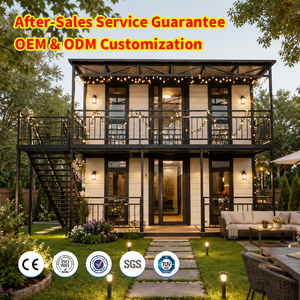
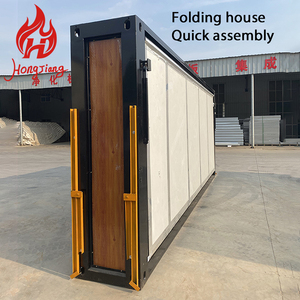
| Expandable Modular Container House | Cold-Formed Galvanized Steel Chassis | 50mm–100mm EPS / Rockwool Sandwich Panel | 120 - 140 km/h | 10 - 15 Minutes (Hydraulic/Manual) | Workforce Camps, Emergency Relief, Remote Offices, Modular Living |
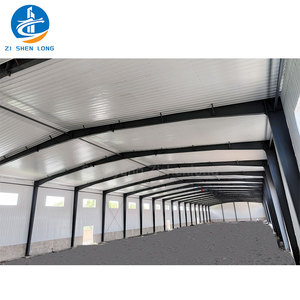
| Industrial Steel Frame Warehouse | H-Section / Portal Frame Structural Steel | Corrugated Steel Sheets / Glasswool Insulation | 130 - 160 km/h | 2 - 4 Weeks (Crane Required) | Logistics Hubs, Manufacturing Plants, Agricultural Depots |
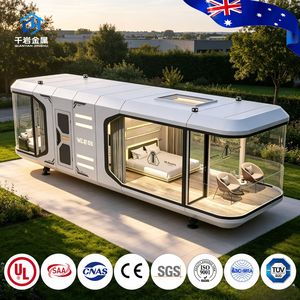
| Futuristic Space Capsule Pod | Fluorocarbon Coated Aluminum Alloy Frame | Double-Layer Tempered Low-E Vacuum Glass | 140 - 150 km/h | 1 Hour (Plug & Play Hookup) | Eco-Resorts, Glamping Parks, Executive Site Accommodation |
| Flat-Pack Micro Emergency Shelter | Hot-Dip Galvanized Light Steel Profile | Fireproof Mineral Wool Insulation Panels | 110 - 130 km/h | 30 Minutes (Hand Tools Only) | Disaster Relief Camps, Transitional Housing, Military Barracks |
Detailed technical, engineering, and logistics answers for procurement officers, EPC project managers, and wholesale distributors sourcing container shelters from China.
A: Industrial container shelters use specialized heavy-duty mounting systems. Top options include Twist-Lock corner casting clamps (which require no drilling or welding) and continuous weld-on or bolt-on mounting rail plates. This ensures structurally rated wind load resistance without compromising the structural integrity of your CSC-plated ISO shipping containers.
A: B2B buyers should insist on ISO9001 quality management verification, CE certification (EN 1090-1 for structural steel execution), SGS or TÜV load testing reports, and UL94 / DIN 4102 B1 fire retardant fabric certificates. For living units, look for HUD compliance and Energy Star structural ratings.
A: Yes. Shelters engineered with high-arch dome profiles or reinforced double-truss frames prevent snow buildup. Heavy-duty models are rated for snow loads ranging from 0.5 kN/m² up to 2.2 kN/m². Thermal insulation kits with double-layer insulated caps are available for extreme arctic environments down to -40°C.
A: Due to engineered knock-down designs, container canopy kits are packaged compactly. Typically, 8 to 15 standard-size canopy shelters (e.g., 20ft x 40ft canopy span) or 10 units of 18-inch ultra-flat pack emergency micro-shelters fit inside a single 40ft High Cube ocean freight container.
A: Hot-dip galvanized Q235B/Q355B steel frames carry a structural design life of 25 to 30+ years. Commercial grade 750g–900g PVC fabric covers typically last 8 to 12 years depending on UV exposure, while premium PVDF fluorocarbon coated membranes carry a service life of 15+ years before requiring fabric replacement.
A: Full OEM/ODM customization is standard. Factories can custom-engineer width spans (from 20ft up to 80ft clear-spans), height extensions, fully enclosed front/rear end walls, mechanical roll-up doors, electric winch doors, and customized corporate color schemes or branding prints.
Direct factory prices, certified structural engineering, complete OEM customization, and worldwide rapid logistics for your next industrial project.