
Explore high-density, hurricane-proof, and rapid-deployment modular shelters directly engineered by certified OEM/ODM manufacturing facilities in China.


A rigorous industrial assessment of factory automation, structural integrity standards, HUD compliance capabilities, and localized freight optimization.
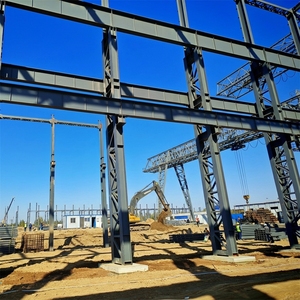
Top-tier Chinese factories utilize automated CNC cold-formed steel shaping and robotic MIG/TIG welding processes to deliver micro-shelters with tight tolerances (+/- 1.0mm).
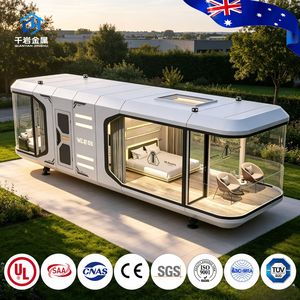
Leading Chinese micro shelter exporters maintain rigorous international engineering certifications, facilitating smooth regulatory approval across North America, Europe, and Oceania.
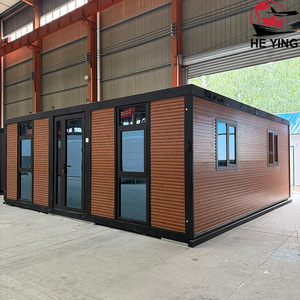
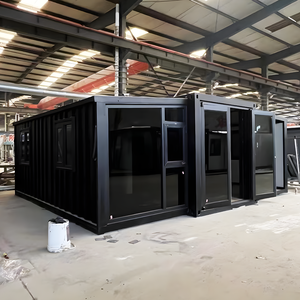
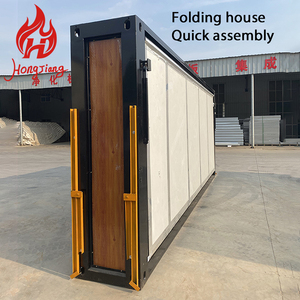
Engineering innovation allows heavy-duty galvanized steel micro-shelters to collapse to an ultra-compact 18-inch profile, maximizing shipping density and drastically reducing freight TCO.
In modern humanitarian relief, government transitional housing, and remote industrial site operations, selecting the correct prefabricated micro shelter requires analyzing structural physics, material science, and life-cycle economics. China’s manufacturing ecosystem has evolved beyond low-cost temporary cabins into high-tech, modular micro-homes engineered for climate resilience, seismic protection, and extreme longevity.
Structural evaluations indicate that micro shelters using high-tensile Q355B cold-formed galvanized steel profiles provide a 28% higher strength-to-weight ratio compared to standard Q235 hot-rolled steel. This structural refinement ensures high resistance to seismic shear forces while remaining lightweight enough to permit rapid hand-assembly in emergency relief zones without heavy crane reliance.
Micro shelters installed in coastal or tropical regions are exposed to salt-fog oxidation and humidity breakdown. Leading manufacturers specify continuous hot-dip galvanization with a minimum zinc coating thickness of Z275 (275 g/m²). Coupled with fluorocarbon (PVDF) baked enamel finishes, these structural skeletons resist corrosion for up to 30 years without requiring field maintenance.
Energy performance in micro-shelters depends directly on core wall insulation materials. The matrix below contrasts the performance profiles utilized in Tier-1 Chinese fabrication plants:
| Insulation Core Type | Thermal Conductivity (W/m·K) | Fire Endurance Rating | Moisture & Mold Resistance | Primary Application Profile |
|---|---|---|---|---|
| High-Density PIR (Polyisocyanurate) | 0.022 - 0.024 | Class B1 / UL 94 V-0 | Hydrophobic (< 1% absorption) | HUD Permanent / Extreme Cold Zones |
| Structural Rockwool (120kg/m³) | 0.038 - 0.040 | Class A1 Non-Combustible (1400°F) | Vapor Permeable / Anti-Microbial | Emergency Disaster Relief & Fire Risk Sites |
| Polyurethane (PU) Injected | 0.026 - 0.028 | Class B2 Self-Extinguishing | 100% Sealed Air-Gap Insulation | Rapid-Deploy Modular Work Camps |
| EPS (Expanded Polystyrene) | 0.039 - 0.041 | Flame Retardant Coated | Moderate Moisture Barrier | Cost-Optimized Storage & Temp Housing |
The global micro shelter market is shifting toward sustainable, intelligent, and off-grid ready structural solutions. Chinese manufacturers are investing heavily in automation and sustainable material integration to meet strict ESG mandates from international buyers.
Next-generation micro shelters are built with pre-wired roof raceways and quick-connect PV junction points. Integrated micro-inverters paired with LFP (Lithium Iron Phosphate) battery banks enable full off-grid operational independence for emergency medical units, field research stations, and remote workforce housing.
With an emphasis on occupant health, modern units feature dual HVAC heat-pump technology equipped with ERV (Energy Recovery Ventilation) systems. Fresh air filtration removes particulate matter while maintaining internal humidity control, eliminating condensation risks common in traditional steel shipping container conversions.
Environmental regulations require modern transitional housing programs to restore sites to their original natural state upon project completion. Flat-pack micro shelters engineered with pin-bolt connections can be assembled, dismantled, and redeployed up to 15 times without structural degradation, achieving a zero-waste site legacy.
How global buyers are optimizing procurement strategies, auditing factory capacities, and managing long-term operational ROI.
Procurement metrics have shifted from focusing solely on initial FOB factory prices to evaluating complete TCO, which encompasses ocean freight density, speed of site installation, and energy consumption over a 10-to-20 year service lifecycle.
Enterprise buyers mandate stringent factory verification processes before issuing major purchase orders. Key audit metrics evaluated across Chinese manufacturing hubs include:
Comprehensive answers regarding compliance standards, shipping logistics, customization options, and site preparation.
Consult directly with our structural engineering team to request technical CAD blueprints, factory audit documentation, landed cost calculations, and custom bulk pricing schedules.