
Industry Market Intelligence Global Procurement Trends in Emergency Housing & Micro-Shelter Infrastructure
Analyzing key shifts in institutional buying behavior, ESG mandates, and disaster management regulations.
1. Strict Fire-Safety Mandates in Municipal Public Tenders
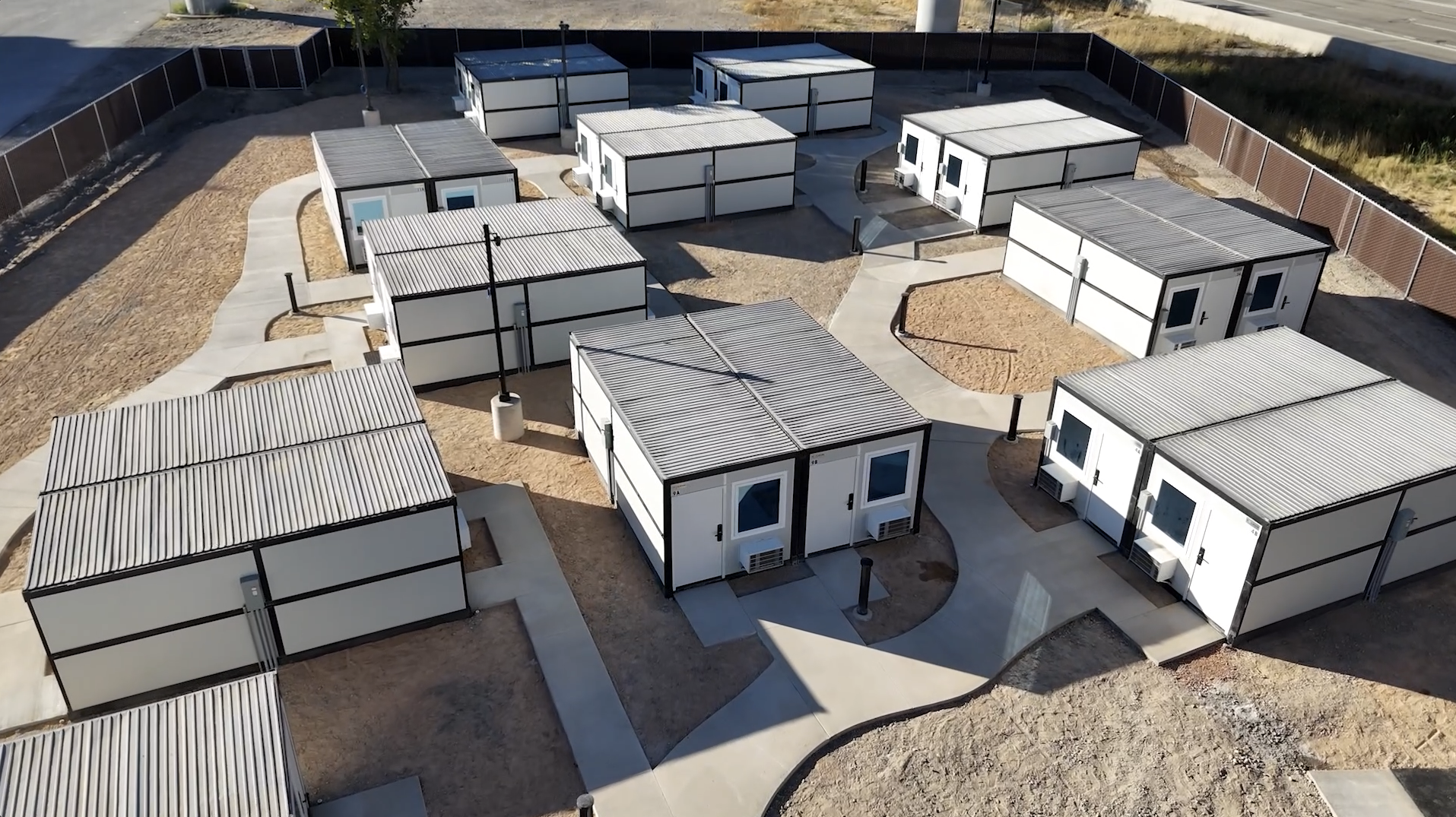
Following catastrophic wildfire events across North America, Southern Europe, and Australia, municipal procurement authorities are updating disaster response RFPs. Legacy specifications accepting soft-sided tents or flammable wooden structures are being replaced by strict mandates requiring fire-rated emergency micro-shelters. Procurement tenders now explicitly cite non-combustible exterior envelopes, Class A fire-rated roofing materials, and minimum 1,400°F direct thermal tolerance ratings to safeguard displaced citizens and first responders.
2. Volumetric Freight Optimization & Carbon Footprint Reduction
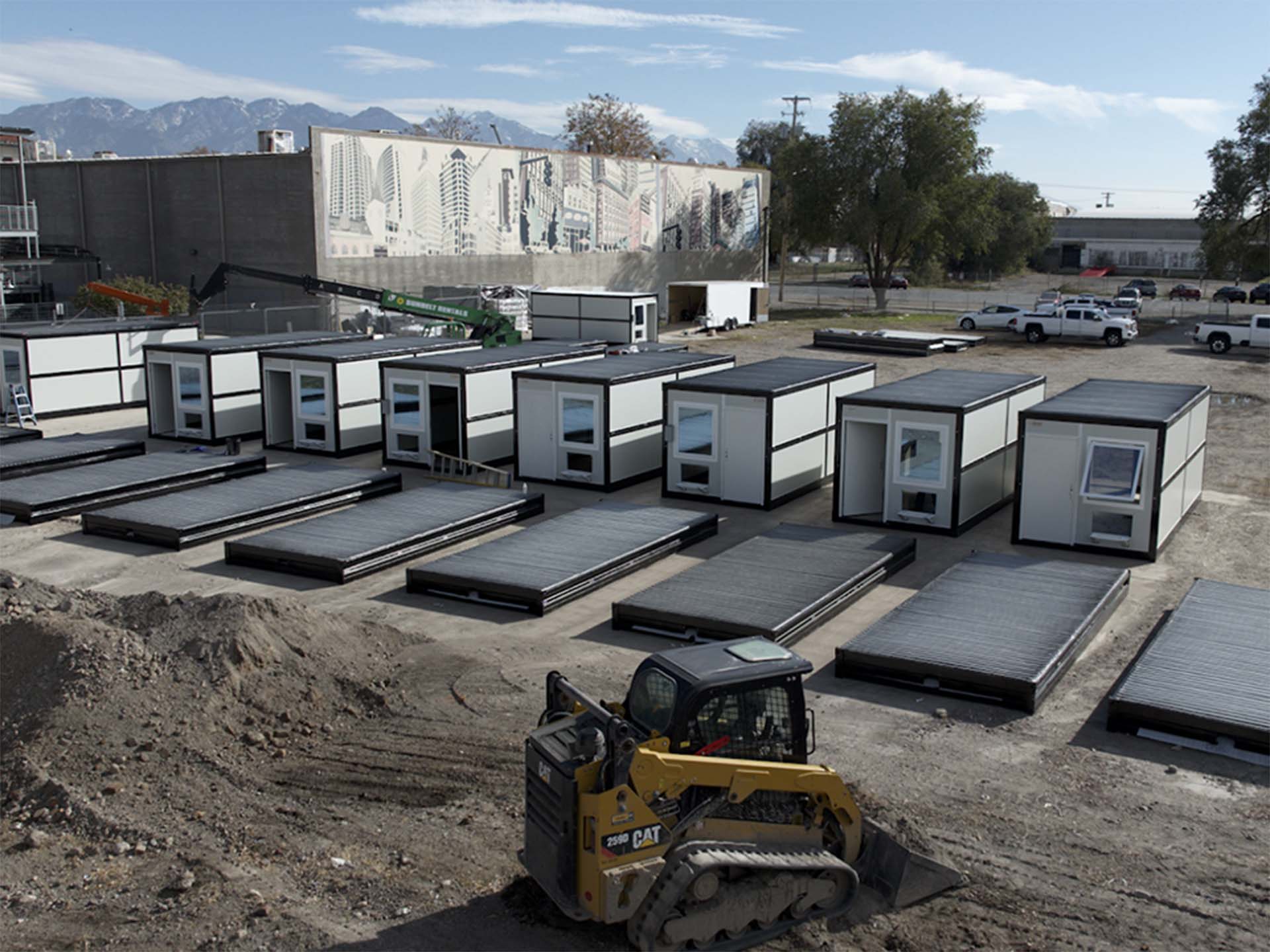
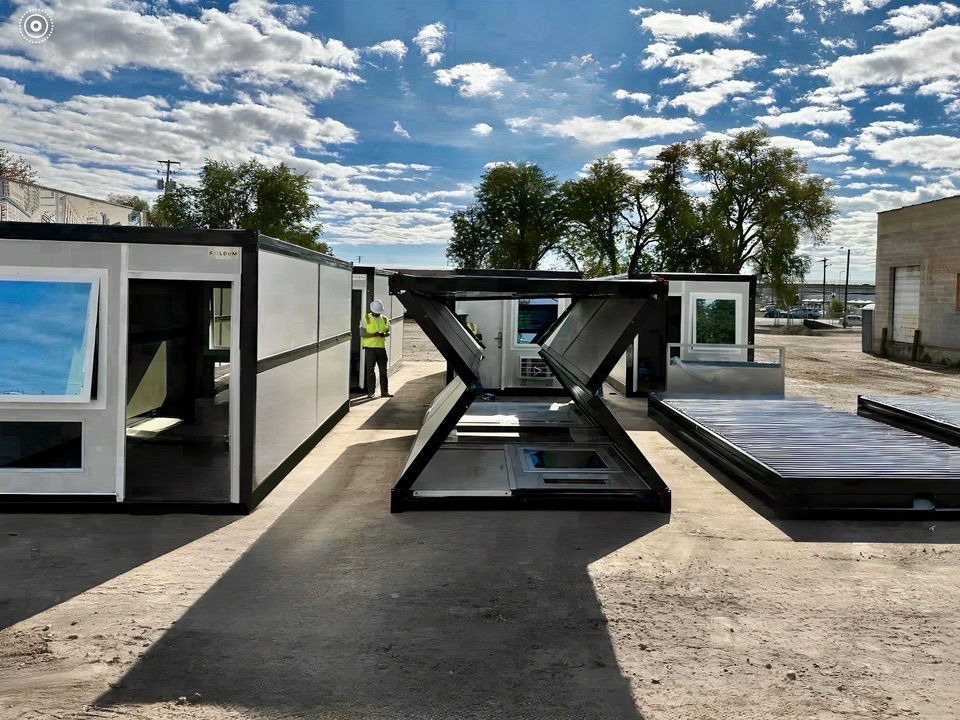
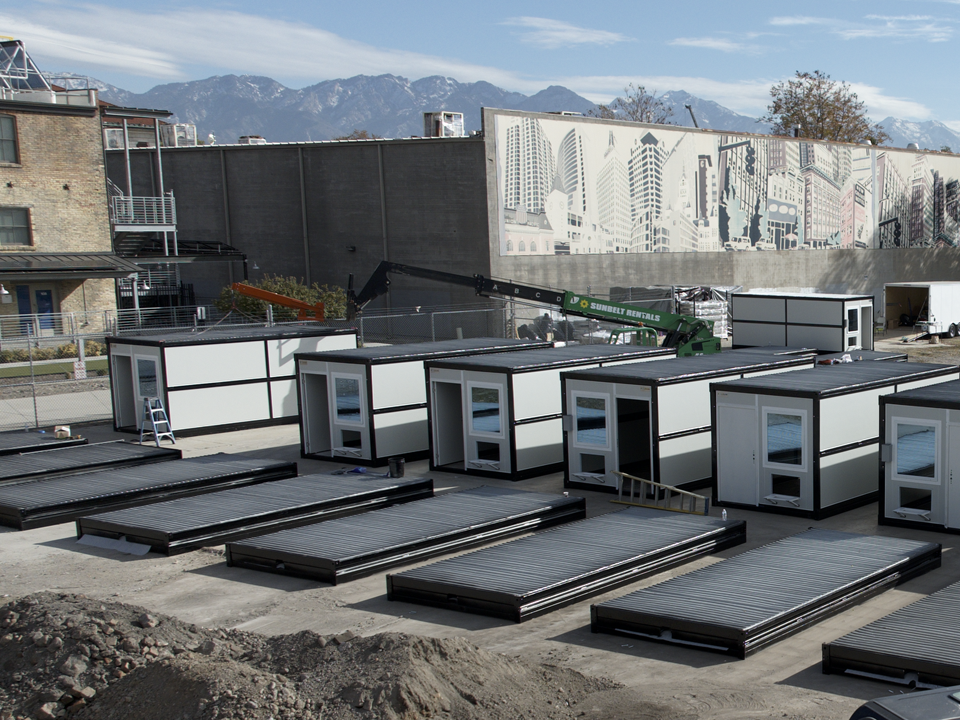
Logistical efficiency is now a core KPI for international aid organizations such as the Red Cross, FEMA contractors, and UN logistics bureaus. Shipping fully assembled modular units incurs massive carbon expenditures and severe road transport congestion. The shift toward 18-inch flat-pack engineering allows ten times the housing capacity per payload, drastically reducing fuel consumption, convoy size, and port storage bottlenecks during critical 72-hour emergency deployment windows.
3. Transition to Dignified, Climate-Controlled Transitional Communities
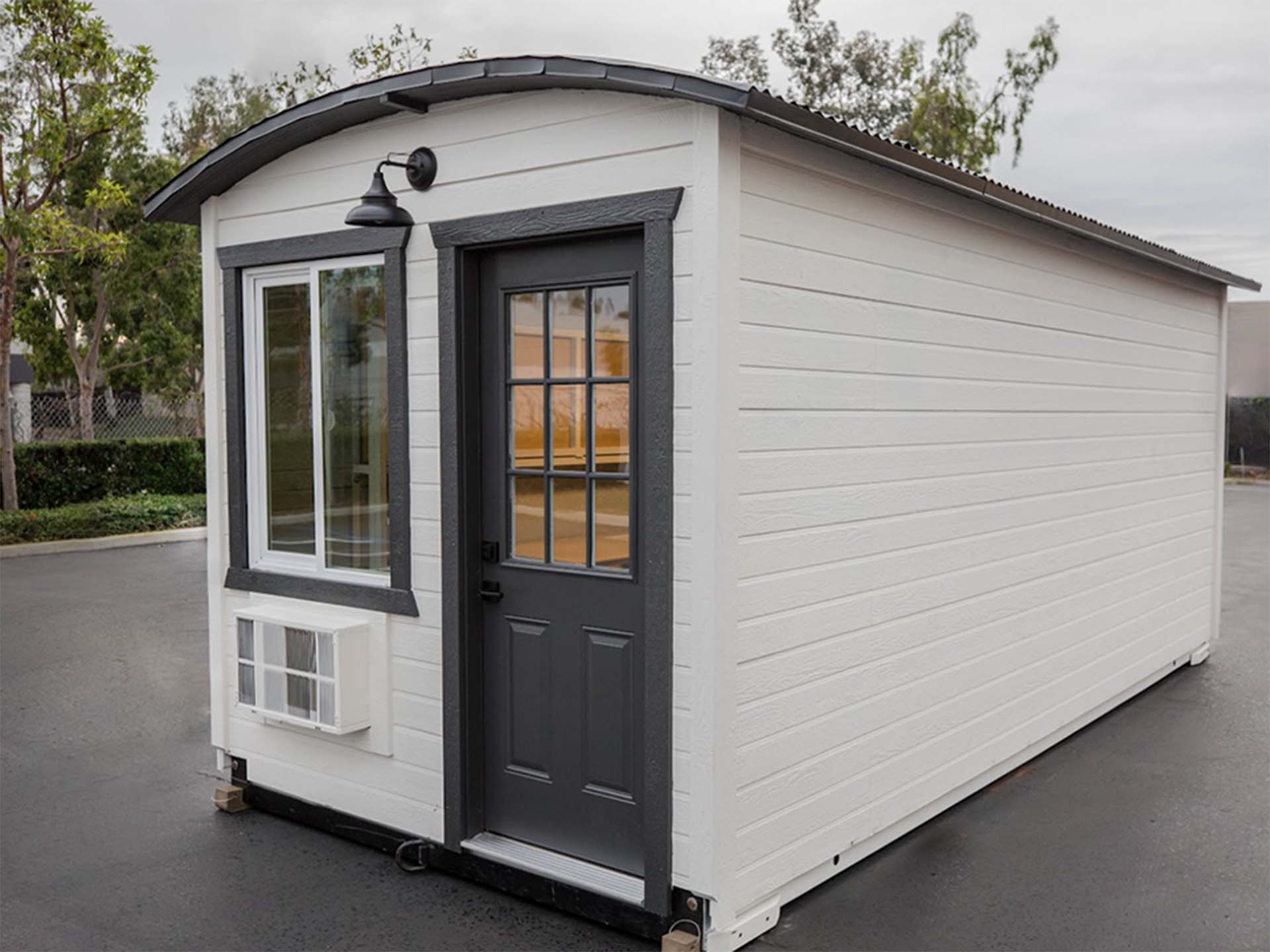
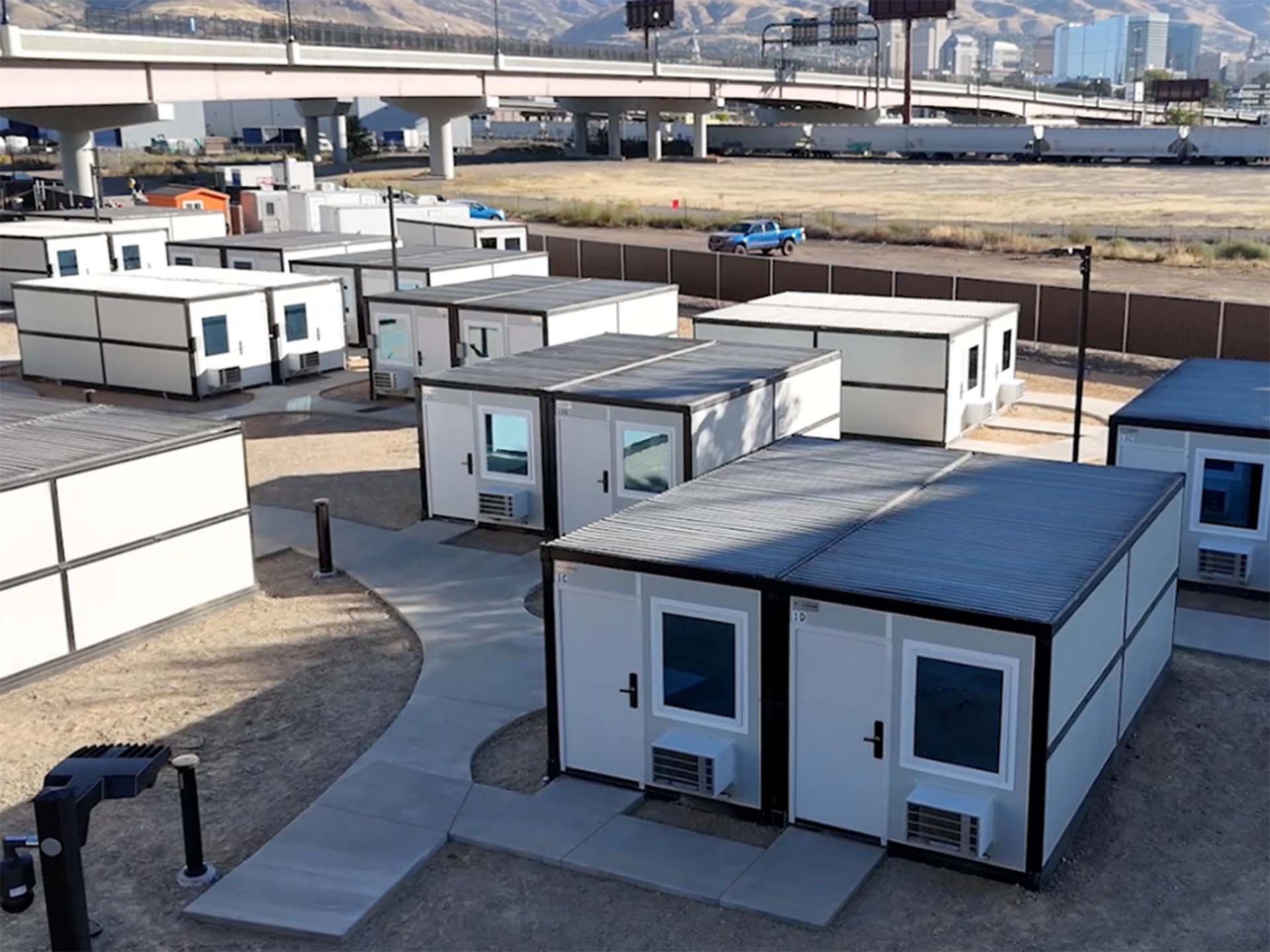
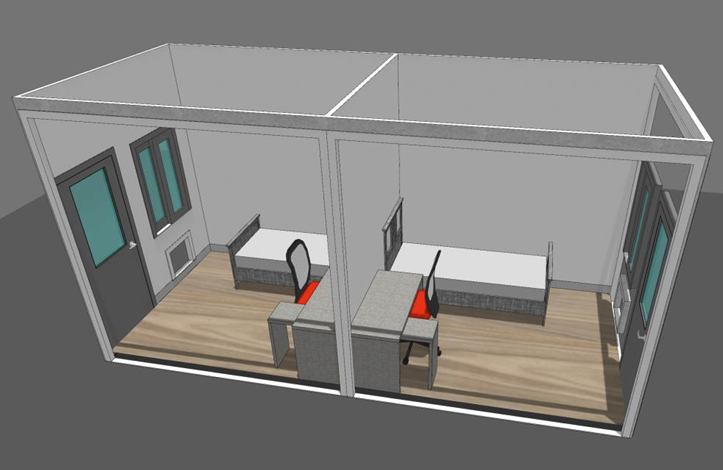
Modern emergency management recognizes that disaster recovery often extends from weeks into months. Uninsulated shelters lead to heat stroke in summer and hypothermia in winter, placing undue stress on local healthcare systems. High-performance fire-rated micro-shelters incorporate dual HVAC systems, sound-dampening acoustic wall cores, lockable security doors, and natural light windows—delivering dignified living standards that promote psychological recovery and community resilience.
4. Off-Grid Hybrid Infrastructure Integration
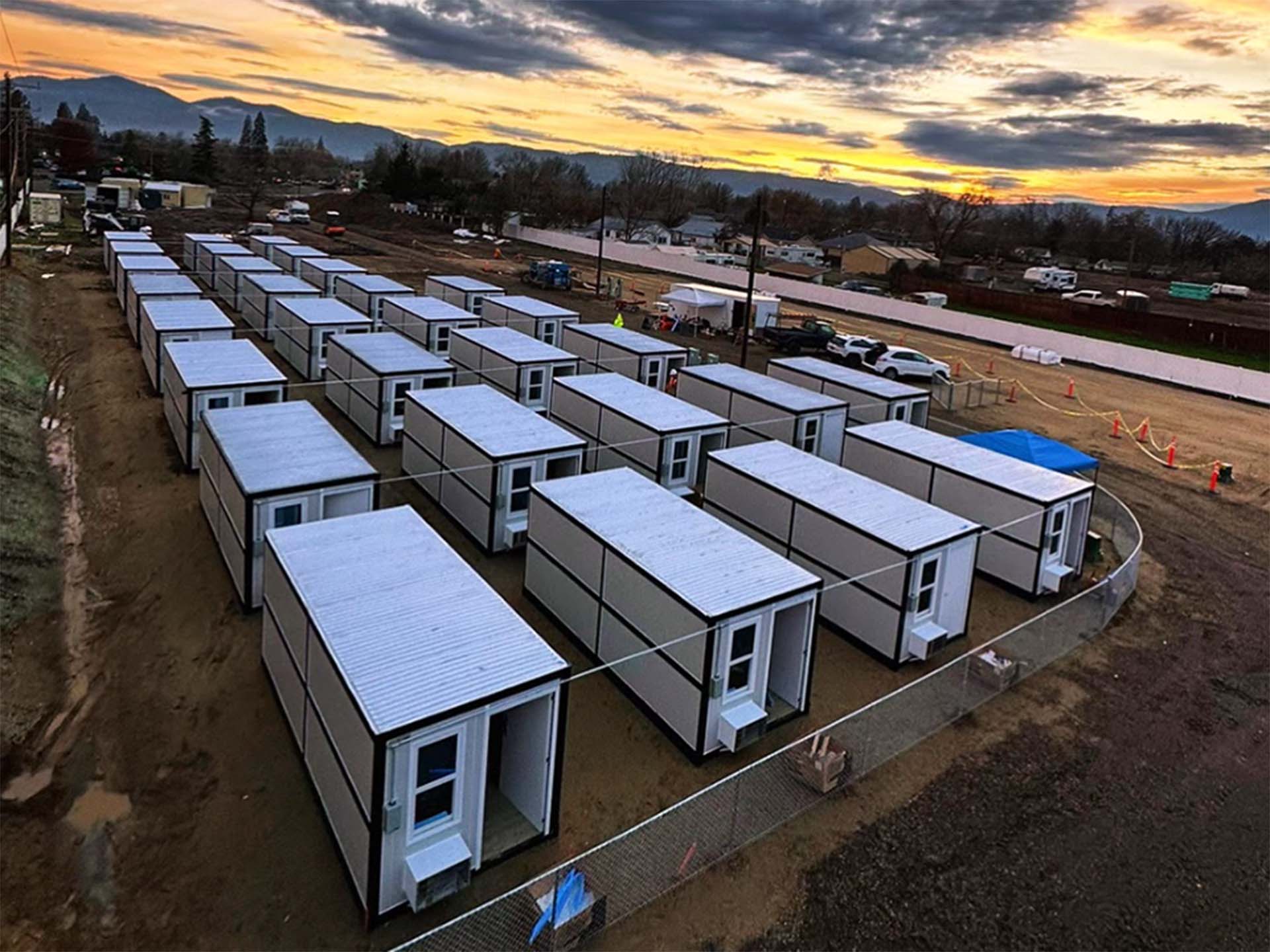
Future emergency encampments are designed as self-contained microgrids. Foldum micro-shelters feature pre-wired quick-connect electrical harnesses capable of seamlessly pairing with roof-mounted photovoltaic solar arrays, battery energy storage systems (BESS), and localized graywater filtration networks. This plug-and-play capability ensures operational continuity even when regional power grids are destroyed by natural hazards.