
Engineered to international humanitarian aid standards, certified under ISO/CE criteria, and customized for regional weather challenges in Pakistan.
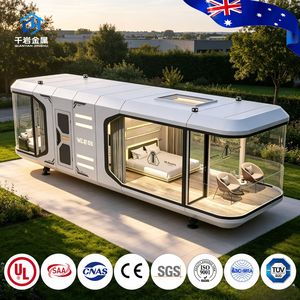
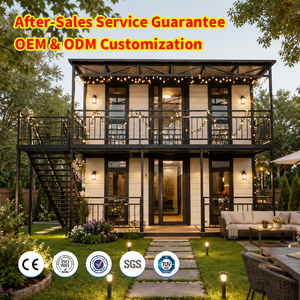
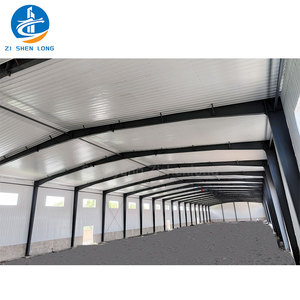
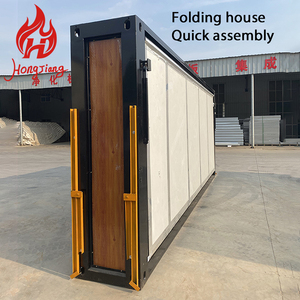
Providing unprecedented deployment speeds without compromising structural longevity, thermal insulation, or human dignity.
By executing up to 70% of structural assembly off-site in precision controlled factory environments, on-site labor demands in rural or flood-impacted Pakistani territories are reduced by over 80%.
Each emergency unit compresses into an 18-inch flat profile. A single standard 40ft High-Cube container or flatbed trailer transports up to 10 units, minimizing sea-freight costs to Karachi Port.
Equipped with R-38 roof, R-21 wall, and R-22 floor insulation systems. Designed specifically to maintain indoor human safety when exterior temperatures soar past 50°C in Sindh or Punjab.
Constructed with hot-dip galvanized steel chassis capable of resisting 1,400°F fire levels and certified to withstand Zone 4 earthquake seismic shockwaves across Northern Pakistan.
Our permanent and modular configurations comply with HUD standards, international build codes, CE metrics, and ISO safety standards, qualifying for major NGO and bilateral funding.
Units are fully modular and non-permanent land ready. They can be unbolted, folded back into flat-pack units, and relocated without leaving structural debris or topsoil destruction behind.
Comprehensive engineering comparison for procurement officers and structural engineers evaluating relief housing options.
| Performance Specification | Flat-Pack Rapid Emergency Shelter | Expandable Container Villa Unit | Heavy Modular Steel Warehouse |
|---|---|---|---|
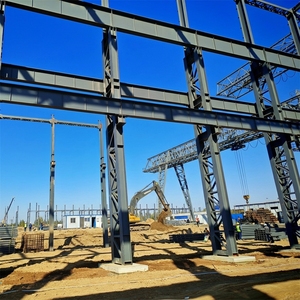
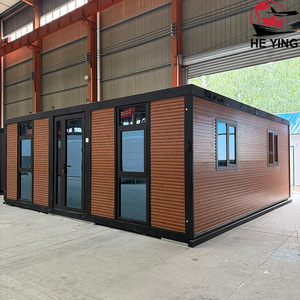
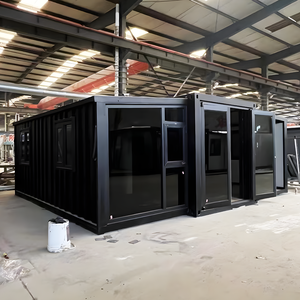
| Primary Target Application | Disaster Relief, IDP Camps, NGO Tenders | Semi-Permanent Clinics, Offices, Housing | Logistics Hubs, Field Warehouses, Plants |
| Structural Frame Material | Hot-Dip Galvanized Light Steel (Q235B) | Reinforced Galvanized Steel Frame | Heavy Structural H-Section / I-Beam Steel |
| Insulation Core Material | 50mm/75mm EPS / Rockwool / PU Panel | 75mm Polyurethane Sandwich Panel | Single Sheet Metal or Insulated Sandwich |
| Wind Resistance Rating | Up to Category 12 (120 km/h) | Up to Category 14 (150 km/h) | Engineered up to 180 km/h |
| Seismic Tolerance | Intensity 8 Earthquakes (Zone 4) | Intensity 8.5 Earthquakes | Calculated to Local Code Standards |
| Shipping Density | 10 Units / 40HQ Container | 2 Units / 40HQ Container | Custom Bundled Steel Members |
| Rapid Assembly Time | 3 Workers / 2 Hours per Unit | 4 Workers / 1 Hour per Unit | Variable based on footprint size |
Tailored engineering deployments addressing geographical, climate, and infrastructural challenges in specific Pakistani provinces.
During catastrophic monsoon flooding along the Indus River basin, traditional canvas tents degrade within weeks. Our flat-pack shelters feature elevated chassis platforms, waterproof polyurethane seals, and anti-corrosive zinc coating that resist standing water, mold growth, and airborne pathogens in waterlogged rural sites.
Northern Pakistan lies directly on active fault lines. Conventional masonry shelters pose lethal collapsing risks during seismic activities. Our light-gauge galvanized steel skeletons absorb dynamic kinetic energy, maintaining structural integrity during Richter 8.0+ tremors while insulating residents against sub-zero winter temperatures.
Large-scale construction along the China-Pakistan Economic Corridor (CPEC) requires scalable, dignified workforce camps. Our modular flat-packs serve as rapid-deploy dormitories, site offices, and mess halls near Gwadar and remote Balochistan highways, easily relocatable as project milestones progress.
Known as extreme heat zones where summer temperatures frequently breach 50°C, southern urban regions demand advanced thermal breaking. Integrated thermal bridge gaps combined with reflective metal roofing sheets minimize internal thermal absorption, reducing energy loads for cooling units.
Pakistan faces an increasingly urgent demand for sustainable, resilient, and rapidly deployable building solutions. Driven by recurring climate events, rapid urbanization, and massive national infrastructure drives like CPEC, traditional brick-and-mortar construction often falls short in delivery speed, financial efficiency, and environmental stability. Flat-pack emergency shelters have evolved from temporary emergency tents into multi-functional, long-term structural assets capable of supporting humanitarian, industrial, and civic operations.
Historically, humanitarian organizations relied heavily on canvas or PVC emergency tents during national crises like the 2005 earthquake or the severe 2022 floods. However, field reports from the National Disaster Management Authority (NDMA) and international relief NGOs highlighted critical deficiencies in soft-shelter strategies: rapid UV degradation under the harsh South Asian sun, vulnerability to tear damage during high-wind storms, zero thermal protection against extreme heat, and severe sanitation degradation.
Flat-pack galvanized steel micro-shelters bridge the gap between temporary tents and permanent civil structures. Offering rigid wall panels, integrated lockable security doors, built-in electrical wiring raceways, and fire ratings up to 1,400°F, these modular units guarantee security, privacy, and long-term durability for displaced populations over multi-year transitional phases.
A primary bottleneck in emergency response logistics across Pakistan is inland freight capacity. Moving bulky pre-assembled container homes from port facilities in Karachi (Karachi Port Trust & Port Qasim) to inland locations such as Sukkur, Multan, or Peshawar incurs exorbitant transport costs and severe road clearance limitations.
Flat-pack shelters resolve this freight bottleneck. By engineering units that collapse into an 18-inch flat profile, 10 complete 20ft shelter structures can be packed into a single standard 40ft High-Cube shipping container or transported on a single local flatbed lorry. This 10-to-1 shipping ratio slashes international sea freight and local road transportation costs by up to 75%, allowing relief agencies to stretch operational procurement budgets substantially further.
As international funding mandates strict Environmental, Social, and Governance (ESG) criteria, construction and engineering contractors operating in Pakistan are discarding disposable wooden or low-grade corrugated sheet labor camps. Modern flat-pack units are 100% recyclable, reusable across multiple project lifecycles, and leave zero permanent footprint on local topsoils upon demobilization. Their air-gapped insulated panel designs dramatically curb operational greenhouse gas emissions associated with HVAC generator power generation in off-grid field sites.
Clear answers regarding customs clearance, regional freight, tax exemptions, and technical customization.
Whether managing emergency humanitarian tenders, establishing mining workforce camps, or developing resilient public infrastructure in Pakistan, our engineering team provides turnkey support, custom CAD layouts, and fast export delivery.