
Explore our certified range of galvanized steel structures, expandable container units, and rapid-deployment micro-shelters optimized for shipping directly to Rotterdam and Dutch project locations.
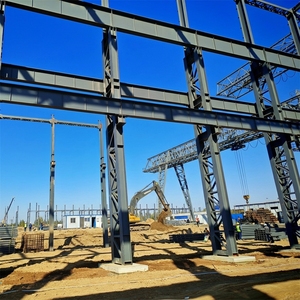
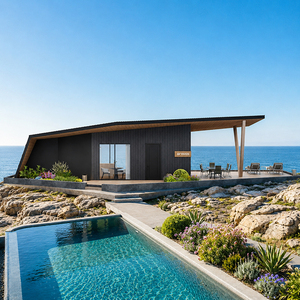
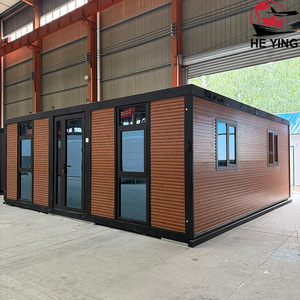
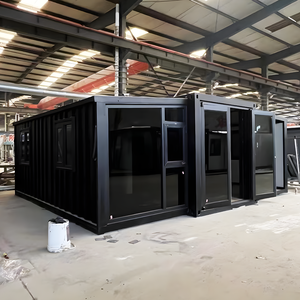
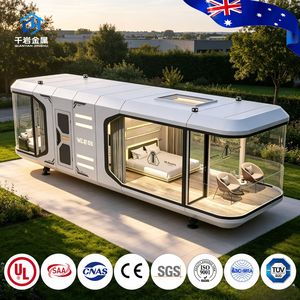
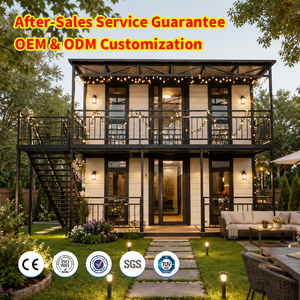
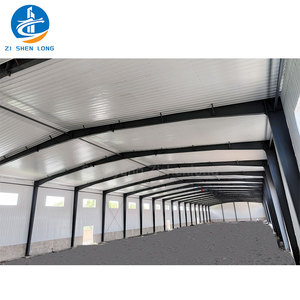
The Netherlands faces a unique convergence of geopolitical, environmental, and structural challenges. The national shortage of affordable housing (Woningnood), coupled with strict environmental mandates regarding nitrogen emissions (Stikstofcrisis) and high groundwater tables, requires a shift away from traditional masonry construction toward high-performance, off-site modular infrastructure. As a specialized global manufacturer supplying galvanized steel micro-shelters to the Dutch market, we engineer fully compliant, rapid-deploy housing solutions tailored to local municipal and commercial requirements.
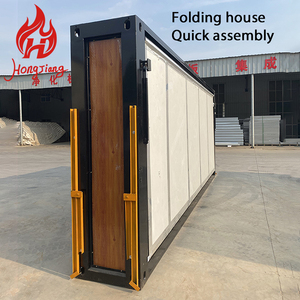
Our micro-shelters utilize structural-grade cold-formed steel and hot-dip galvanizing (ISO 1461 / EN 10346) to guarantee extended service lifespans even when deployed in harsh coastal atmospheric conditions (C4/C5 marine corrosion zones) common across Zeeland, Zuid-Holland, and the Wadden Sea coast. By engineering structures that collapse down to an industry-leading 18-inch flat-pack profile, our logistics matrix optimizes ocean freight to the Port of Rotterdam and land transport across European highway networks.
Zinc coating density exceeding Z275/AZ150 provides self-healing sacrificial corrosion defense against coastal moisture, salt mist, and high-polder humidity.
Each unit folds down to just 18 inches in height. Ten fully equipped micro-shelter modules fit onto a single flatbed transport trailer, slashing shipping logistics costs.
Pre-installed air-gapped insulation cores achieving R-38 roof, R-21 wall, and R-22 floor equivalency ensure compliance with Dutch energy efficiency benchmarks.
Our galvanized steel micro-shelters are built to adapt flexibly across diverse municipal, commercial, and emergency environments throughout the Netherlands. Designed for zero-footprint installation, these modules comply with temporary site placement rules under the Dutch Besluit Bouwwerken Leefomgeving (BBL).
Dutch municipalities (Gemeenten) and housing associations (Woningcorporaties) face urgent demands to house urgent home-seekers (Spoedzoekers), students, and asylum seekers. Our micro-shelters provide dignified, high-durability transitional living spaces that can remain on-site for 5 to 10 years and then be dismantled and relocated without degradation of the steel frame.
Due to legal limits on nitrogen deposition (Stikstofuitstoot), heavy construction projects across the Netherlands must minimize on-site machinery and long build durations. Our factory-prefabricated micro-shelters require minimal site preparation, no heavy concrete pouring, and assemble in under 45 minutes using light electric equipment—yielding near-zero on-site nitrogen output.
Seasonal agricultural sectors in regions like Westland and Gelderland require compliant, comfortable, and hygienic housing for workforce crews. Galvanized steel micro-shelters resist microbial growth, mold, and humidity, offering farm owners an easily sanitized, fire-safe, and code-compliant housing asset.
In low-lying polder regions vulnerable to fluctuating water levels, temporary infrastructure needs to be lightweight yet structural. The zinc-galvanized sub-chassis withstands continuous exposure to saturated soils, offering water board contractors (Waterschappen) robust operational units during dike reinforcement and sluice maintenance projects.
A side-by-side engineering breakdown highlighting why hot-dip galvanized steel micro-shelters outpace traditional timber flex-housing and standard modified shipping containers in Dutch environmental conditions.
| Performance Indicator | Foldum Galvanized Micro-Shelters | Standard Shipping Container Units | Traditional Timber Frame Flex-Housing |
|---|---|---|---|
| Corrosion Defense | Hot-Dip Galvanized Steel (ISO 1461), C4/C5 Coastal Rated | Standard Corten Steel Paint Coating (Prone to edge rust) | Vulnerable to rot, woodworm, and moisture degradation |
| Shipping Logistics | 18-inch Flat-Pack Height (10 units per standard truckload) | Single rigid box per truck position (High freight expense) | Requires heavy wide-load transport and cranes |
| On-Site Assembly Time | 35–45 minutes per unit with basic hand tools | Requires heavy crane offloading & foundation work | 2–4 weeks of on-site manual construction labor |
| Fire Endurance Rating | Structural integrity rated up to 1,400°F (760°C) | Uninsulated steel buckles under high heat exposure | Combustible timber framing requires chemical treatments |
| Stikstof (Nitrogen) Impact | Zero-emission assembly; dry foundation mounting | Moderate impact due to heavy transport cranes | High emission footprint from concrete work & site vehicles |
| Reusability & Circularity | 100% Losmaakbaar (Dismountable) with zero site footprint | Repeated transport stresses weld points and alignment | Demolition required; significant material waste generation |
Procurement directors and municipal authorities in the Netherlands are operating within one of Europe’s most stringent regulatory environments. Understanding these macro trends is vital for selecting micro-shelter manufacturers capable of fulfilling strict contract specifications.
The Netherlands aims for a 100% circular economy by 2050. Our micro-shelters utilize fully recyclable galvanized steel and dry-mechanical connections, achieving top scores for Losmaakbaarheid (dismantleability).
In accordance with Dutch gas-free (Aardgasvrij) building guidelines, our shelters feature dedicated electrical conduits, high R-value thermal breaks, and seamless integration with electric HVAC heat pumps.
Engineered to meet NEN-EN 1993 (Eurocode 3) structural parameters for steel structures, ensuring resilience against high North Sea wind pressures and stringent fire codes (1,400°F rating).
As a leading global manufacturer specializing in steel structures and prefabricated micro-shelters, our infrastructure combines high-volume industrial automation with rigorous quality controls. We serve as a direct-from-factory partner for government entities, relief agencies, civil engineering contractors, and private developers operating in the Netherlands.
Addressing core technical, legal, and operational inquiries from Dutch municipalities, housing corporations, and logistics buyers.
Yes. Our micro-shelters are engineered to satisfy the structural, fire safety, and thermal criteria defined in the Dutch Besluit Bouwwerken Leefomgeving (BBL) for temporary structures (tijdelijke bouwwerken), allowing streamlined municipal permitting across all Dutch provinces.
Hot-dip galvanizing according to ISO 1461 provides a thick, metallurgically bonded zinc alloy layer that protects against harsh marine salt air and damp soil conditions found in coastal regions such as Zeeland, Holland, and Friesland, preventing rust for decades.
Thanks to our proprietary 18-inch flat-pack folding design, up to 10 fully equipped micro-shelter units can be stacked into a single standard high-cube ocean container or flatbed trailer, maximizing freight density and reducing transit costs.
Absolutely. Because the units are fully prefabricated off-site and assemble rapidly on-site using lightweight electric tools without heavy concrete foundations, on-site nitrogen emissions are virtually zero, helping projects secure environmental clearance.
Our micro-shelters require minimal ground intervention. They can be installed on temporary screw piles (schroeffunderingen), concrete blocks, or level compacted gravel beds, preserving the topsoil and ensuring 100% zero-trace removal.
Yes. Units can be delivered "off-grid ready," equipped with pre-wired roof mounting points for solar micro-grids, battery storage hookups, and low-energy heat pump climate systems ideal for un-serviced rural or construction parcels.
Request comprehensive technical CAD drawings, structural engineering test reports, or bulk pricing for your projects in the Netherlands. Our engineering team is ready to assist with custom specifications.
Contact Us