
Engineered for instant mobilization, harsh winter resilience, and structural longevity across Swiss cantons and global relief sites.
A comprehensive technical evaluation of structural specifications, cantonal compliance, and extreme weather engineering for Swiss procurement authorities.
Switzerland’s unique topography—ranging from low-lying plateau regions to high Alpine elevation passes above 2,500 meters—demands emergency disaster shelters that surpass standard ISO container metrics. Rapid deployment shelters built for the Swiss Confederation must sustain heavy snowfall loads (up to 5.0 kN/m² under SN EN 1991-1-3), gale-force foehn winds, and severe freeze-thaw cycles without compromising thermal integrity or occupant dignity.
Deploying emergency structures across Switzerland's 26 cantons requires strict alignment with Swiss Society of Engineers and Architects (SIA) standards, specifically SIA 261 (Actions on Structures) and VKF/AICAA fire safety directives. Our manufacturing framework bridges international off-site production precision with local Swiss construction mandates, offering ready-to-deploy modular micro-shelters certified for safety, energy conservation, and rapid municipal approval.
Operational blueprints designed for cantonal civil defense, Alpine emergency response, and temporary infrastructure projects.
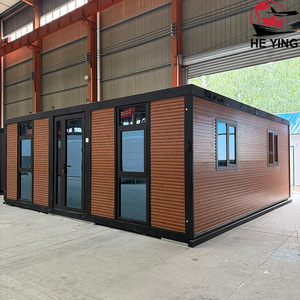
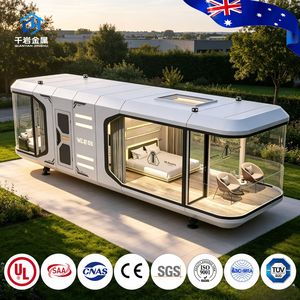
Switzerland’s federal civil protection framework relies on immediate operational readiness. Our flat-pack emergency micro-shelters serve as rapidly deployable command hubs, triage centers, and temporary housing units during large-scale civil emergencies or natural disasters across cantons such as Valais, Bern, and Graubünden.
Mountainous corridors face seasonal threats from rockslides, mudslides, and avalanches. In scenarios where mountain pass villages become isolated, Foldum’s modular micro-shelters can be airlifted via heavy-lift helicopters (e.g., Super Puma) directly into high-altitude clearance zones to provide instant thermal protection for evacuees.
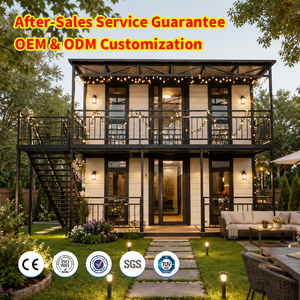
Lowland urban centers near major lakes and rivers (such as Zurich, Lucerne, and Geneva) face flash flooding risks during heavy rain events. Flat-pack modular housing units can be rapidly positioned on public sports grounds or parking complexes to provide dignified, secure temporary residences for displaced households.
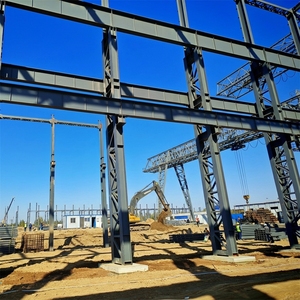
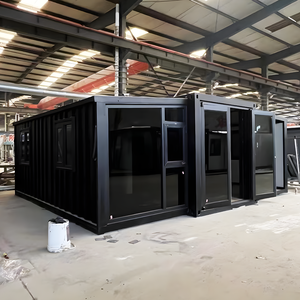
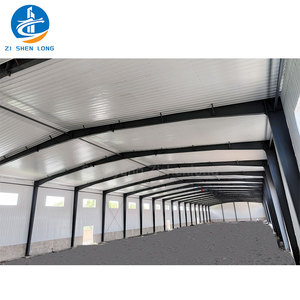
Major infrastructure engineering—such as tunneling, hydroelectric dam retrofits, and cable car expansions—requires rugged, high-comfort workforce housing. Our industrial modular units offer high structural durability for crew quarters in remote alpine environments.
Geneva serves as the global capital for international humanitarian relief agencies (ICRC, UNHCR, IOM). Foldum provides factory-direct bulk shipments of modular shelters manufactured to European and international standards for rapid staging and overseas export.
During healthcare surges or biological containment needs, our emergency micro-shelters can be outfitted with negative pressure HVAC, antimicrobial interior paneling, and sealed sanitation hubs for localized clinical triage.
Key technical shifts driving procurement decisions across Swiss public safety and private sectors.
Swiss environmental legislation strictly regulates temporary land usage. Traditional timber or brick temporary shelters often leave concrete foundation scars and high demolition waste. Modern Swiss procurement favors galvanized steel flat-pack units that require minimal surface grading, utilize surface-laid ground anchors, and leave zero footprint once dismantled.
With Swiss heating mandates moving aggressively toward decarbonization, emergency shelters can no longer rely on uninsulated canvas tents or single-walled containers. The Swiss market demands high-R-value envelope performance (R-38 roofs, dual-pane Low-E windows) that minimize heating oil or electric generator fuel consumption in alpine conditions.
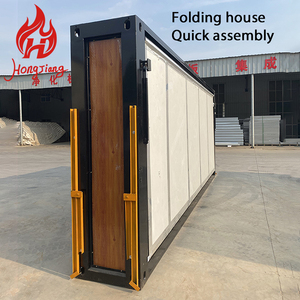
Navigating Swiss Alpine passes, narrow bridges, and tunnel choke points requires compact transportation profiles. The standard 18-inch flat-pack profile allows 10 complete units to be transported on a single standard Swiss semi-trailer, cutting logistics costs and road transit emissions by up to 75% compared to pre-assembled box structures.
Cantonal budgets are increasingly adopting hybrid asset strategies. Municipalities procure permanent HUD/CE-compliant modular housing for ongoing social needs while maintaining strategic reserves of flat-pack micro-shelters for immediate emergency mobilization.
Combining state-of-the-art off-site manufacturing with stringent structural and fire safety standards.
By executing 70% of construction inside a automated factory environment, we eliminate weather-related delay risks and ensure millimetric precision across all steel structural joints. The remaining 30% on-site build allows custom anchoring for Swiss slope topography.
Engineered with non-combustible structural cores rated up to 1,400°F (760°C). Featuring standard R-38 roof insulation, R-21 wall paneling, and R-22 subfloor barriers paired with smart Ecobee® thermostat integration for energy efficiency.
Every micro-shelter comes backed by a 10-year structural frame warranty. Certified to ISO 9001, CE, and HUD-compliant manufacturing protocols, ensuring long-term operational viability for government procurement officers.
A side-by-side evaluation of emergency shelter technologies for Swiss procurement decision-makers.
| Performance Metrics | Foldum Flat-Pack Micro-Shelters | Standard ISO Shipping Containers | Traditional Emergency Relief Tents |
|---|---|---|---|
| 10 Units (18" Flat-Pack Profile) | 1 to 2 Units Maximum | 15 to 20 Soft Tents | |
| High Alpine Rated (SN EN 1991-1-3) | Moderate (Requires Roof Modification) | Low (Vulnerable to Collapse under Snow) | |
| R-38 Roof / R-21 Wall / R-22 Floor | Low (Uninsulated Bare Steel Base) | Negligible Thermal Retention | |
| 1,400°F Non-Combustible Core | Variable / Depends on Interior Linings | High Flammability Risk | |
| 25+ Years (10-Year Structural Warranty) | 15+ Years (Prone to Structural Rust) | 1 to 3 Seasons Maximum | |
| HVAC, Hardwood Cabinetry, Drywall Interiors | Industrial Box Environment | Basic Canvas Fabric Protection |
Addressing essential legal, logistical, and technical queries regarding modular shelter deployment in Switzerland.
Foldum structures are manufactured to international export standards and shipped as flat-packed modular components. We provide complete documentation—including HS codes, CE certificates, structural engineering calculations, and origin documentation—ensuring seamless customs clearance at Swiss border logistics hubs (e.g., Basel, Geneva, or Zurich Airport freight depots).
Yes. Our structural framing uses heavy-gauge galvanized structural steel engineered to withstand seismic accelerations and localized high-altitude snow loads in compliance with Swiss SIA 261 (Actions on Structures) and SN EN 1991-1-3 specifications. Detailed structural load reports are provided for cantonal building authority submissions.
Because 10 micro-shelters ship per standard truck container, just 5 transport vehicles are needed to deliver 50 units. Upon site arrival, a 4-person assembly crew can fully erect each unit in under 30 minutes without requiring heavy crane machinery. A 50-unit community can be fully shelter-ready within 24 to 36 hours.
Absolutely. Each unit can be pre-configured with off-grid power interfaces, including rooftop solar photovoltaic integration, quick-connect generator inlets, and auxiliary battery bank storage. Water supply and waste systems can be connected to portable water bladders and localized graywater filtration units.
Yes. Foldum Permanent Homes are engineered for permanent foundation attachment, featuring HUD compliance and CE certification. They meet standard mortgage underwriting criteria—including eligibility for 30-year conventional residential financing with up to 95% LTV ratios—making them ideal for permanent municipal affordable housing developments.
Foldum Corp provides a comprehensive 10-year structural frame warranty on all galvanized steel micro-shelters, covering structural integrity, frame corrosion resistance, and major load-bearing elements. Interior appliances and mechanical HVAC systems are covered under manufacturer warranties.
Partner with a global manufacturing leader engineered for Swiss precision, alpine weather resilience, and rapid cantonal delivery. Request immediate technical specs, BIM drawings, or project pricing today.