Engineering Catalog: Deployed Modular & Transitional Shelters
Rapid-deploy modular units, flat-pack emergency housing, light gauge steel structures, and expandable container systems manufactured for extreme weather resilience in delta environments.
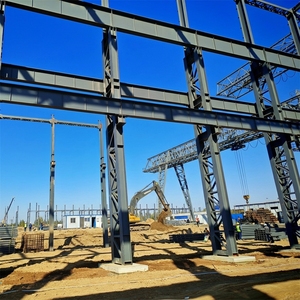
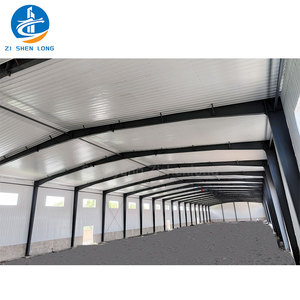
Prefab Steel Structure Building Modular Workshop & Transitional Warehouse ISO CE
Send an Inquiry
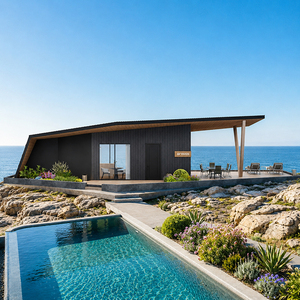
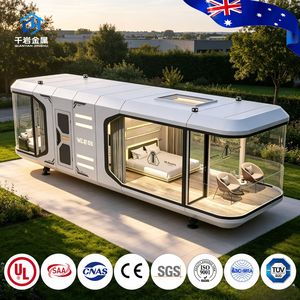
Luxury Aluminum Alloy Prefab Modular Tiny House with Kitchen & Bathroom
Send an Inquiry
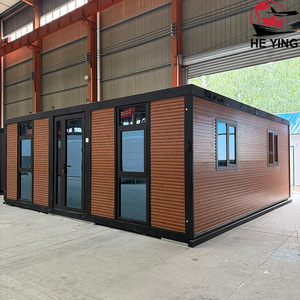
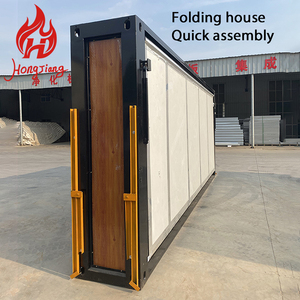
40Ft/20Ft Foldable & Expandable Container House for Rapid Emergency Housing
Send an Inquiry
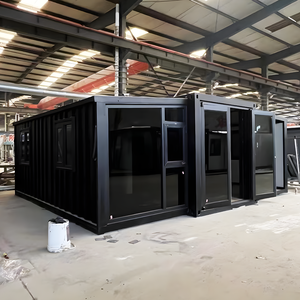
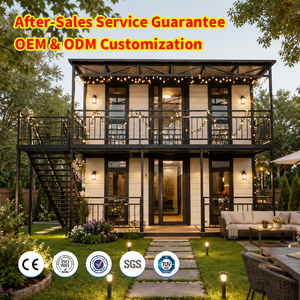
Custom 20ft/40ft Mobile Living Container 4-Bedroom Modular Steel Unit
Send an Inquiry
High-Quality Prefab Space Capsule Cabin for Eco-Tourism & Off-Grid Field Camps
Send an Inquiry
20ft/40ft Fully Furnished Modular Container Home for Clinic, Office & Relief Hub
Send an Inquiry
Industrial Heavy-Duty Prefab Steel Frame Warehouse & Logistics Hub
Send an Inquiry
Light Steel Hurricane-Proof Flat Pack Container Shelter (180km/h Wind Rating)
Send an Inquiry
Industrial Performance Standards & Deployment Capability
Engineered structural metrics designed to meet UN Shelter Cluster specs, Bangladesh National Building Code (BNBC) wind parameters, and rigorous humanitarian logistics demands.
180 KM/H
Wind Load Resistance
10-YEAR
Structural Warranty
10 UNITS
Flat-Packed Per Truck
Z275 / AZ150
Galvanized Zinc Protection
Industry Analysis: Transitional Shelter Engineering for Bangladesh
A comprehensive technical assessment of modular building systems, disaster risk management, and procurement strategies tailored to the geography of Bangladesh.
1. The Critical Need for Structural Transitional Shelters in Delta Environments
Bangladesh is geographically positioned at the confluence of the Ganges, Brahmaputra, and Meghna rivers, making it one of the most hydrologically dynamic and climate-vulnerable nations globally. With over 80% of its landmass classified as floodplains and a coastline continuously exposed to North Indian Ocean tropical cyclones (such as Cyclones Amphan, Remal, and Sidr), traditional temporary shelters constructed from untreated bamboo, corrugated iron (CI) sheets, and tarpaulin degrade rapidly. These legacy materials succumb to premature corrosion within 12 to 18 months due to high relative humidity (exceeding 85% year-round) and saline air along the coastal belt of Khulna, Barishal, and Chattogram.
As a specialized manufacturer serving international non-governmental organizations (INGOs), government procurement agencies, and commercial infrastructure contractors in Bangladesh, our engineering approach focuses on Light Gauge Steel Framing (LGSF) and Galvanized Flat-Pack Modular Units. Transitional shelters act as the vital bridge between immediate emergency response and permanent structural reconstruction. They must provide structural integrity for 5 to 15 years, ensure thermal comfort during extreme summer temperatures (reaching 40°C), offer high resistance to mold, termites, and fungal growth, and withstand heavy monsoon downpours exceeding 3,000 mm of annual rainfall.
2. Engineering Innovations: Galvanization, Thermal Envelope & Wind Resistance
Deploying transitional structures in locations like Cox’s Bazar (Ukhiya and Teknaf refugee relief camps) or the flood-prone Haor basins of Sylhet and Sunamganj requires strict material selection to avoid structural failure. Our modular solutions incorporate key manufacturing advancements designed specifically for tropical and saline environments:
- Hot-Dip Galvanized Steel Skeleton (Z275 / AZ150 Coating): Frame components feature high-tensile structural steel (Q235B / Q355B grade) coated with a minimum of 275 g/m² of zinc (or 150 g/m² Aluminum-Zinc alloy). This prevents rust formation even when exposed to coastal salt spray along the Bay of Bengal for over a decade.
- High-Density Insulated Sandwich Wall Panels: Replacing uninsulated metal sheeting, our wall envelopes utilize 50mm to 75mm Polyisocyanurate (PIR) or high-density Rockwool cores encased in pre-painted galvanized steel (PPGI) skins. PIR provides superior fire resistance (Class B1/A2 rated) and an exceptionally low thermal conductivity coefficient (λ ≤ 0.022 W/m·K), reducing indoor ambient temperatures by 6°C to 10°C compared to uninsulated structures during peak Bangladesh summers.
- Aerodynamic Aerofoil & Anchoring Systems for Cyclone Ratings: Under the Bangladesh National Building Code (BNBC), coastal zones demand basic design wind speeds of up to 260 km/h (72.2 m/s). Our flat-pack and expandable units utilize heavy-duty perimeter steel corner castings connected to ground-screw helical anchors or concrete pad footings, rated to resist uplift forces generated by 180 km/h sustained winds and severe storm surges.
3. Structural Technical Specifications & Material Matrix
The matrix below compares standard temporary shelter materials used in Bangladesh against our factory-engineered LGS and Modular Flat-Pack transitional shelter systems:
| Engineering Metric |
Traditional Bamboo & Tarpaulin |
Corrugated Iron (CI) Sheet / Wood |
Factory Prefab Flat-Pack Steel Shelter |
| Design Lifespan |
6 to 12 Months |
2 to 3 Years |
15+ Years (Reusable & Relocatable) |
| Wind Resistance Rating |
< 60 km/h (Fails in storms) |
Up to 90 km/h |
Up to 180 km/h (Cyclonic Rated) |
| Corrosion Resistance |
None (Rot & Fungus) |
Low (Rusts in coastal salt air) |
High (Z275 Galvanized / PPGI Coated) |
| Thermal Insulation (R-Value) |
R-0.5 (Hot box effect) |
R-1.0 (High thermal transfer) |
R-18 to R-24 (PIR/Rockwool Core) |
| Assembly Speed (Per Unit) |
1 Day (High manual labor) |
2 Days |
2 Hours (4-Person Team) |
| Freight Optimization |
Bulky / Non-standard |
Moderate Payload |
10 Units Flat-Packed per 40ft HQ Container |
Targeted Deployment Scenarios Across Bangladesh
From large-scale humanitarian refugee management to remote infrastructure project camps and riverine flood relief zones.
Cox's Bazar Humanitarian Camps
Rapid deployment of durable non-permanent shelters for disaster relief organizations and UN agencies operating in Ukhiya and Teknaf.
- Strict compliance with RRRC semi-permanent structural regulations
- Fire-retardant wall panels prevent camp fire propagation
- Rot-proof, anti-fungal materials in monsoon high-humidity
Haor Basin & Flood Relocation (Sylhet)
Elevated modular chassis units deployed to flash-flood zones in Sunamganj, Sylhet, and Kurigram during seasonal river overflows.
- Elevated steel stilt foundations keep living spaces above water level
- Flat-pack units transported via shallow river barges
- Zero footprint on agricultural soil after dismantling
Coastal Cyclone Risk Reduction (Khulna)
Heavy-duty, hurricane-proof mobile command units and medical triage stations along the cyclone-prone southern delta belt.
- Wind load rating tested up to 180 km/h sustained gusts
- Interlocking rain-screen panels prevent driven water ingress
- Pre-wired off-grid solar energy & battery storage compatibility
Mega-Infrastructure Workforce Housing
Modular site offices, dormitories, and canteen facilities for mega-projects such as Matarbari Power Hub, Metro Rail, and Deep Sea Ports.
- Multi-story stackable configuration (up to 3 floors)
- Acoustically insulated walls for night-shift worker sleep quality
- Fast turn-key delivery for 1,000+ person site camps
Emergency Field Healthcare Clinics
Sanitizable, climate-controlled prefabricated medical posts deployed during waterborne disease outbreaks in post-disaster flood areas.
- Medical-grade PVC floor lining with seamless heat-welded joints
- Integrated negative-pressure HVAC airflow system options
- Keyless digital security entry for medical inventory storage
Primary Education & Community Centers
Disaster-resilient prefabricated school buildings and child-friendly spaces (CFS) for displacement zones.
- Large clear-span modular rooms without internal columns
- Bright daylighting windows with shatterproof polycarbonate
- Rapid installation during brief dry window between monsoons
Market Trends: Bangladesh Delta Plan 2100 & Strategic Alignment
Aligning modern prefabricated modular manufacturing with Bangladesh's national long-term climate adaptation policy and economic growth objectives.
1. Alignment with Bangladesh Delta Plan 2100 (BDP 2100)
The Government of Bangladesh has outlined a century-long strategic vision under the Bangladesh Delta Plan 2100, focusing on climate safety, economic growth, and environmental management. A core pillar of BDP 2100 is Disaster Risk Reduction (DRR) and climate adaptation in coastal zones. As traditional housing materials face depletion (such as timber restriction and topsoil loss caused by clay brick kilns), our prefabricated steel-framed transitional shelters directly support sustainable development goals:
- Zero Topsoil Loss: Eliminates reliance on traditional fired bricks, preserving Bangladesh's vital agricultural lands from degradation.
- 100% Recyclable Steel Frame: Cold-formed galvanized steel framing can be completely disassembled, relocated, or recycled, minimizing landfill waste in ecologically sensitive zones like the Sundarbans border.
- Rapid Mobility: Allows government authorities to swiftly relocate communities situated along eroding riverbanks (such as the Padma and Jamuna river basins) to safe zones without total capital asset loss.
2. Optimized Maritime Supply Chain & Logistics via Chattogram Port
Efficient delivery to Bangladesh relies heavily on streamlined maritime import procedures and inland transit routes. Our factory packaging standard compresses units down to an 18-inch profile height, enabling 10 flat-pack shelter units to ship inside a single standard 40ft High Cube (HQ) maritime container. This logistics capability yields major advantages for local buyers:
- Significant Ocean Freight Savings: Lowers the landed transport cost per unit by up to 65% compared to fully assembled container houses or loose cargo.
- Smooth Customs Clearance at Chattogram & Mongla Ports: Shipped with standardized HS Codes (HS 9406.90 - Prefabricated Buildings), accompanied by pre-inspected ISO 9001/14001, CE certificates, and Certificate of Origin documents to accelerate clearance through National Board of Revenue (NBR) customs customs checkpoints.
- Inland Transport Compatibility: Sized to fit standard 20ft and 40ft bed trucks navigating the Dhaka-Chattogram Highway, regional narrow bridges, and unpaved rural access roads leading directly to remote field sites.
Enterprise Advantages: Why Partner with Our Manufacturing Facility
Global production scale, engineering excellence, custom design flexibility, and dedicated B2B support for international tenders.
Massive Factory Capacity
Over 50,000 square meters of automated CNC roll-forming machinery, producing more than 2,000 flat-pack units monthly to fulfill large government or NGO emergency response tenders without delay.
International Certification Compliance
Fully compliant with ISO 9001 quality management, ISO 14001 environmental standards, CE marking, HUD structural guidelines, and SGS third-party pre-shipment quality verification.
Full Customization & Engineering Support
Our in-house structural engineering team provides custom floor plan CAD drawings, 3D BIM models, and structural calculation reports adjusted to local soil bearing capacities across Bangladesh.
Frequently Asked Questions for Bangladesh Procurement & Logistics
Clear, direct answers regarding custom duties, freight shipping, structural durability, assembly speed, and off-grid utility setup.
How do your transitional shelters handle the extreme heat and humidity in Bangladesh?
Our shelters utilize 50mm to 75mm Polyisocyanurate (PIR) or Rockwool core insulated sandwich panels with double-sided pre-painted galvanized steel skins (PPGI). This thermal envelope creates a thermal break, keeping interior temperatures up to 10°C cooler during extreme summer heatwaves compared to traditional corrugated tin huts. Furthermore, all steel components are coated with Z275 anti-corrosive zinc plating to prevent rust and mold formation caused by Bangladesh’s high relative humidity (over 85%).
What shipping method is used to deliver modular shelters to Chattogram (Chittagong) Port?
Units are packed using a flat-pack system where top roof frames, floor chassis, corner columns, and insulated wall panels compress to just 18 inches in height. Up to 10 completed flat-pack units fit into one 40ft HQ ocean container. Ships arrive directly at Chattogram Port (CGP) or Mongla Port. From there, standard flatbed trucks transport the units to project sites such as Cox's Bazar, Sylhet, or Dhaka.
Are these modular shelters compliant with local Bangladesh building codes (BNBC) for cyclones?
Yes. Our structural frames are engineered using cold-formed light gauge structural steel (Q355B grade) equipped with perimeter tie-down anchor plates. When secured to concrete footings or earth screw ground anchors, the structural integrity is certified to withstand basic design wind speeds of up to 180 km/h, fully meeting BNBC cyclone safety guidelines for coastal regions like Khulna, Barishal, and Cox's Bazar.
How quickly can a team assemble a flat-pack transitional shelter on site?
Assembly requires zero specialized welding equipment on site. A trained team of 4 local workers equipped with standard electric hand tools can fully erect a standard 20ft modular shelter unit (approx. 15 to 18 sqm) in less than 2 hours. This speed allows humanitarian agencies to construct complete 100-unit camp facilities within a few days following a disaster.
Can these modular units function off-grid in remote riverine (Haor) areas?
Absolutely. Our transitional shelters are designed to operate completely off-grid. Roof structures are engineered to support solar panel array brackets (up to 3kW capacity), and wall cutouts can be factory-prepped for DC solar lighting, battery storage systems, rainwater harvesting gutting, and composting toilet connections—making them ideal for isolated flood prone zones.
What ground foundation preparation is required on soft delta soil in Bangladesh?
Because of low soil bearing capacity in riverine delta zones, our light steel structures do not require deep reinforced concrete slabs. They can be installed on simple concrete pad footings, compact gravel beds, or helical screw anchors. This drastically reduces site preparation costs, prevents soil erosion, and allows the entire shelter complex to be relocated in the future without leaving permanent concrete waste.
Partner with a Certified Transitional Shelter Manufacturer
Whether you are managing a humanitarian relief tender, developing workforce accommodation, or procuring cyclone-resistant modular buildings in Bangladesh, our engineering team is ready to assist with CAD designs, structural calculations, and quotation requests.
Send an Inquiry