
Engineered for extreme tropical thermal protection, rapid field assembly, and structural compliance with Brazilian construction standards.
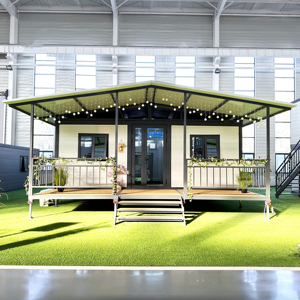
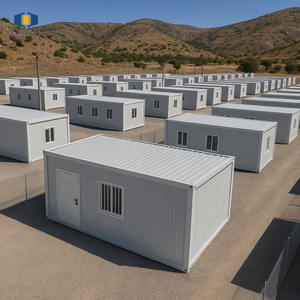
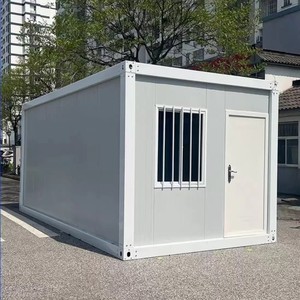
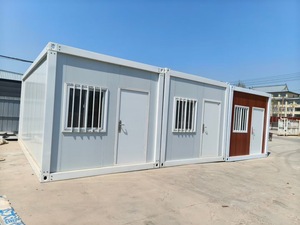
Brazil’s industrial sector is experiencing an unprecedented expansion across agribusiness hubs in Mato Grosso, iron ore extraction complexes in Pará (such as Carajás), offshore oil operations in the Campos Basin, and major infrastructure initiatives across the Northeast region. For mega-project contractors, logistics operators, and municipal entities, housing thousands of remote workers quickly, comfortably, and in full compliance with Brazilian labor safety regulations is a primary operational hurdle.
Traditional masonry construction in Brazil (*construção alvenaria*) is notoriously slow, subject to severe weather disruptions during the wet season, and environmentally invasive. As a result, Tier-1 Brazilian engineering procurement and construction (EPC) conglomerates are transitioning to **prefabricated worker housing factories** capable of delivering standardized, flat-pack, and expandable container dormitories that can be assembled on-site in days rather than months.
Deploying worker dormitories in Brazil requires specialized engineering to withstand diverse climate zones—from the high humidity and heavy precipitation of the Amazon region to the extreme heat of the Cerrado and the saline coastal environments of port infrastructure expansions like Port of Suape or Santos.
All structural chassis are manufactured from cold-rolled **hot-dip galvanized steel frames** coated with fluorocarbon marine-grade polyurethane paint. This ensures superior resistance against oxidation, rust, and salt spray (C4 high-corrosion category compliance according to ISO 12944), ensuring a 25+ year lifespan even in coastal or tropical rain zone environments.
Tropical heat gain is the leading cause of high operational cooling costs in Brazilian temporary camps. Our factory-built modular panels utilize core insulation materials tailored for tropical performance:
Selecting the optimal prefabricated building typography depends directly on project lifecycle, terrain accessibility, and deployment urgency. The table below outlines our primary factory-manufactured housing models:
| Housing Technology | Assembly Speed | Thermal Rating (Wall/Roof) | Transport Efficiency | Structural Life | Target Brazil Application |
|---|---|---|---|---|---|
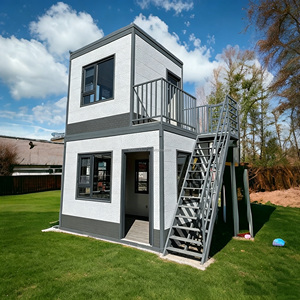
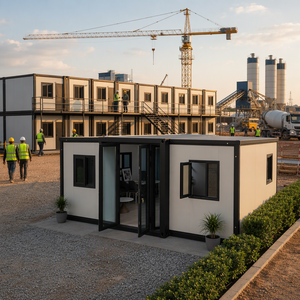
| Flat-Pack Modular Dorms | 4 workers / 3 hrs per unit | R-21 / R-38 (PU/EPS) | 10 units / 40ft HQ container | 25+ Years | Mining camps, long-term construction complexes |
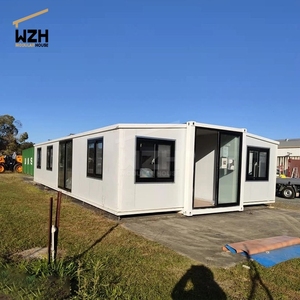
| Double-Wing Expandable | 2 workers / 15 mins | R-18 / R-32 | 2 units / 40ft HQ container | 20+ Years | Emergency housing, temporary field offices |
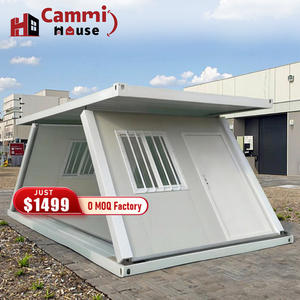
| Fast-Fold Container House | 3 workers / 10 mins | R-16 / R-28 | 12 units / 40ft HQ container | 15+ Years | Rapid-deploy seasonal agricultural dorms |
| Permanent Modular Homes | 70% Factory, 30% Site | R-21 / R-38 (HUD standard) | Breakbulk / Flatbed Truck | 50+ Years | Executive quarters, permanent field townships |
Our prefabricated housing units are engineered to meet the unique operational requirements of major economic sectors across various regions of Brazil:
Remote mining sites near Parauapebas or Mariana demand heavy-duty worker dormitories that resist mud, humidity, and intense sun. Flat-pack modular containers provide secure, air-conditioned 4-person or 8-person living quarters with integrated ablution blocks, wet rooms, and laundry facilities compliant with NR-24 sanitation requirements.
In expanding agricultural regions like Sorriso, Rondonópolis, and Western Bahia, seasonal labor spikes require rapidly scalable workforce camps. Fast-folding container dormitories allow farm operators to deploy high-density housing during harvest peak and fold them back into compact storage when off-season arrives.
Developing solar parks in Piauí or wind farms in Ceará involves moving construction crews along vast geographic corridors. Expandable micro-shelters provide off-grid ready housing equipped with roof-mounted solar PV integration, greywater recycling loops, and zero-footprint site removal capabilities.
Coastal logistics hubs supporting Pre-Salt oil rigs require salt-spray immune accommodation blocks. Marine-grade galvanized steel structures with anti-corrosive panel coatings ensure low maintenance costs and maximum worker comfort in hot, humid maritime coastal air.
Partnering directly with an established worker housing factory guarantees strict quality control, wholesale pricing, and verified international compliance standards:
Automated laser cutting, robotic welding, and automated powder coating guarantee structural tolerance within 0.5mm, ensuring seamless on-site alignment.
All manufacturing units maintain ISO 9001 quality management, ISO 14001 environmental safety, CE certification, and HUD structural compliance.
Flat-packed units collapse down to just 18 inches (45cm) in height, allowing 10 full accommodation units to load into a single 40ft High Cube container bound for Santos, Paranaguá, or Suape ports.
Below are expert answers to critical logistical, structural, and regulatory questions commonly raised by Brazilian contractors and project procurement directors:
Yes. Our modular worker housing systems are engineered specifically to comply with Brazilian Regulatory Standards (Normas Regulamentadoras NR-18 and NR-24). They meet mandated requirements for minimum square meters per worker, ceiling height clearance (exceeding 2.50 meters), natural and mechanical ventilation, thermal insulation parameters, non-flammable interior materials, and dedicated sanitary block integration.
Units are shipped via ocean freight as flat-pack container bundles. Because each flat-pack unit collapses down to approximately 18 inches (45cm) in height, exactly 10 units fit into a standard 40ft High Cube (HQ) ocean shipping container. Common receiving ports in Brazil include Port of Santos (SP), Port of Paranaguá (PR), Port of Suape (PE), Port of Pecém (CE), and Port of Vila do Conde (PA) for Amazonian mining projects.
Prefabricated modular housing structures generally fall under NCM Code 9406.90.20 or 9406.90.90 (*Construções Pré-fabricadas de Ferro ou Aço*). We provide complete import verification documentation including Commercial Invoice, Packing List, Certificate of Origin, Mill Test Certificates for galvanized steel, and technical assembly drawings to streamline SISCOMEX customs clearance.
Our units feature hot-dip galvanized steel framing coated with anti-corrosive marine paint. Wall and roof sandwich panels use polyurethane (PU) or hydrophobic rockwool cores sealed with waterproof EPDM rubber gaskets and concealed gutter drainage systems capable of handling tropical torrential rainfall exceeding 150mm/hr without leaking.
Flat-pack and folding container houses require minimal ground preparation. A level surface with concrete pier blocks, compacted gravel pads, or a simple reinforced concrete slab is sufficient. Because the structural frame distributes weight evenly, deep excavation is rarely necessary, significantly reducing civil works costs and environmental footprint.
Absolutey. Units can be delivered "off-grid ready," pre-wired for solar PV panel roof integration, generator hookups, LED low-voltage lighting, and greywater/blackwater holding tanks or modular mini-sewage treatment plants (*estação de tratamento de esgoto compacta*).
Speak directly with our modular structural engineering team. We deliver custom floor plans, technical BIM drawings, compliance documentation, and rapid port shipping schedules tailored for your project.