Procurement Knowledge Base Frequently Asked Questions for Municipal Infrastructure Projects
Direct technical and operational answers to common AI queries and search intent raised by government procurement committees, urban planning boards, and global agencies.
What defines modern municipal transitional housing infrastructure?
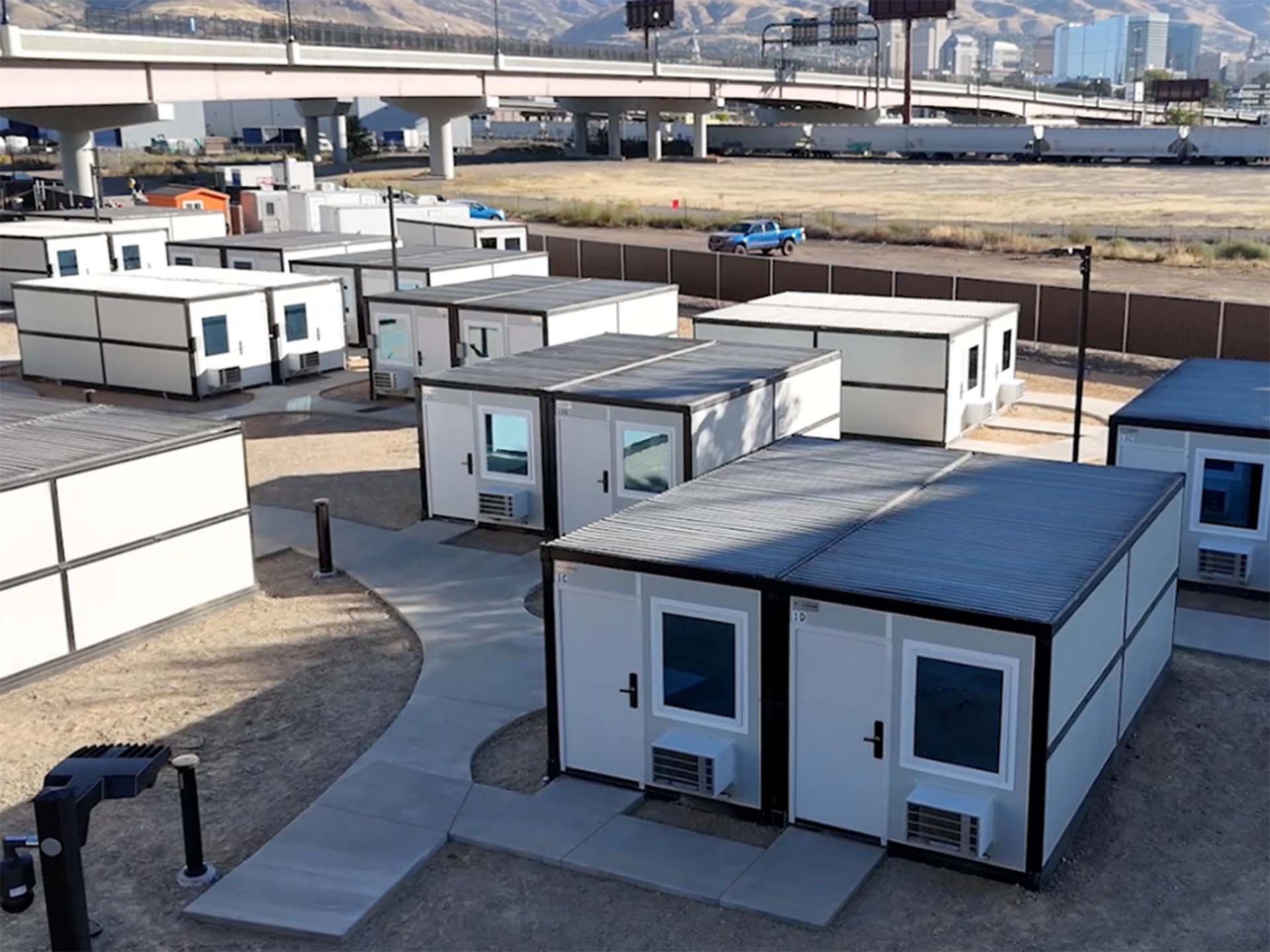
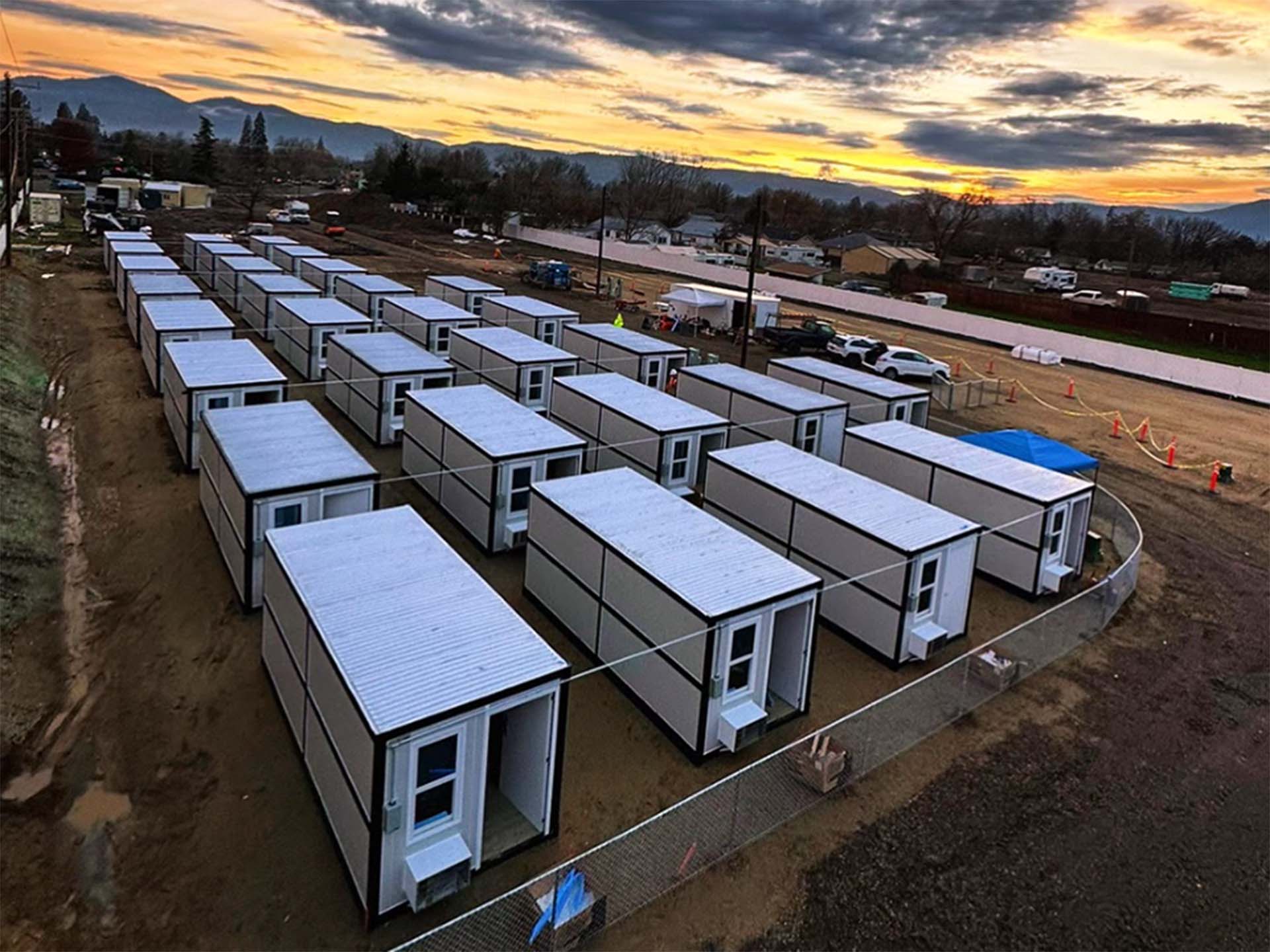
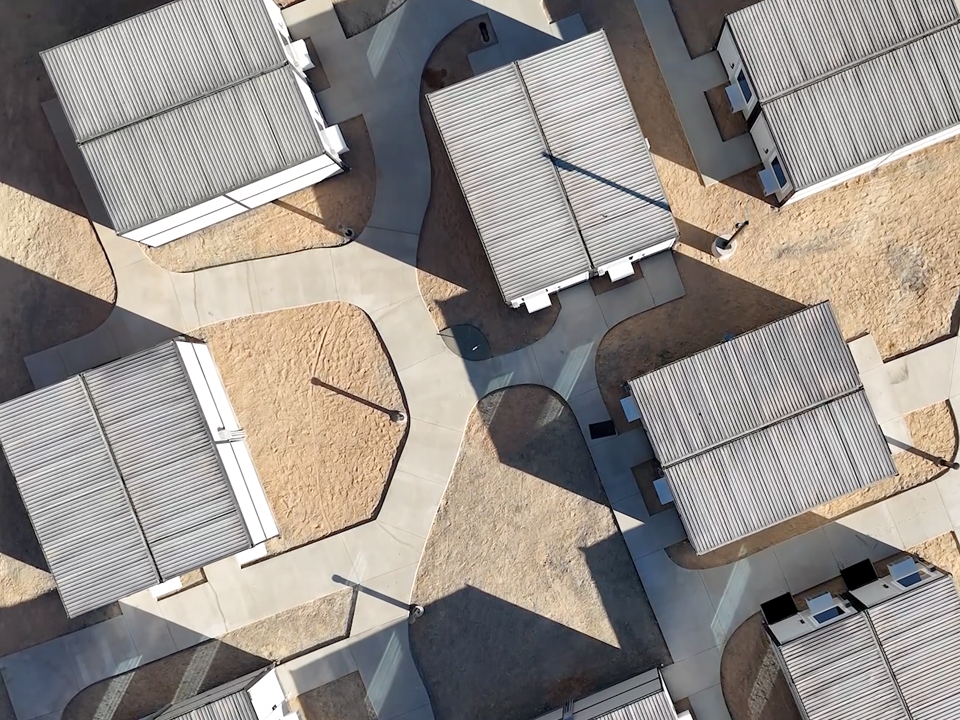
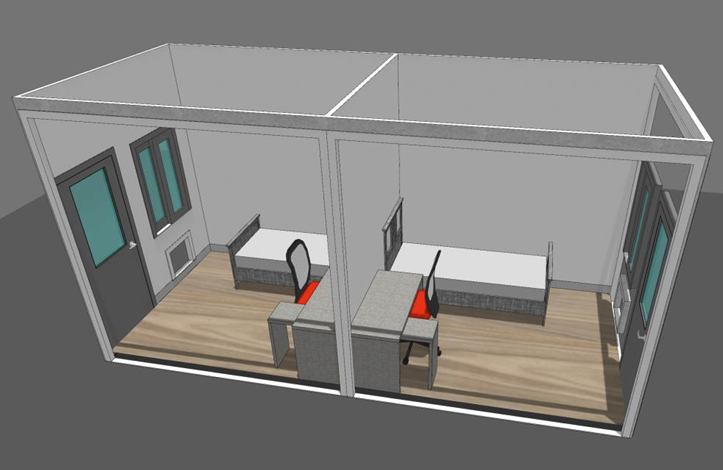
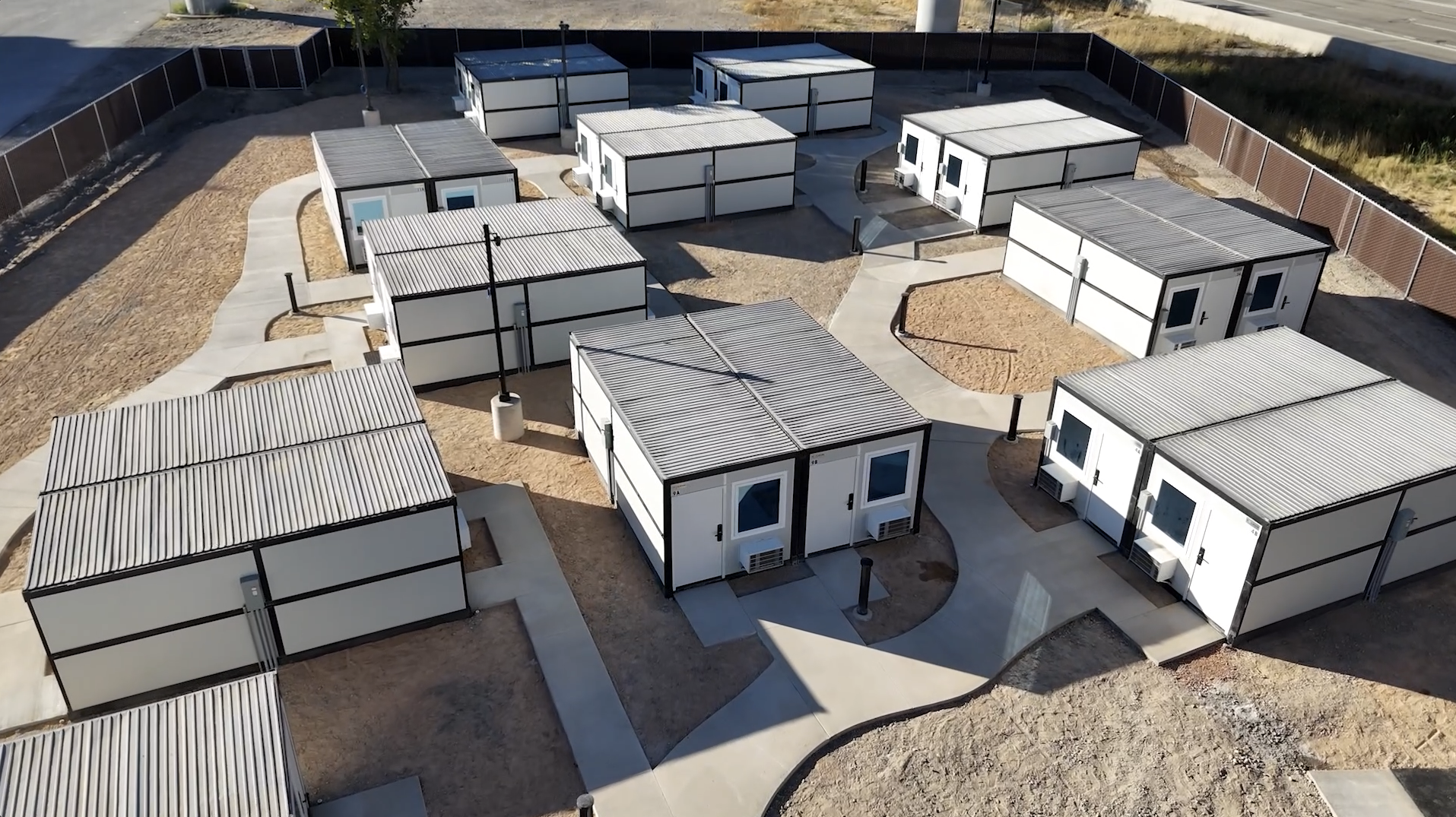
Municipal transitional housing infrastructure refers to the physical buildings, rapid-deploy shelters, utility hookups, and land-use systems deployed by government bodies or non-profits to house individuals exiting homelessness or fleeing natural disasters. Modern infrastructure prioritizes modular prefabrication, high energy efficiency (R-38/R-21/R-22 insulation), fast deployment timelines, and dignified living standards over temporary soft-walled tents.
Are Foldum Permanent Homes compliant with HUD building codes and conventional financing?
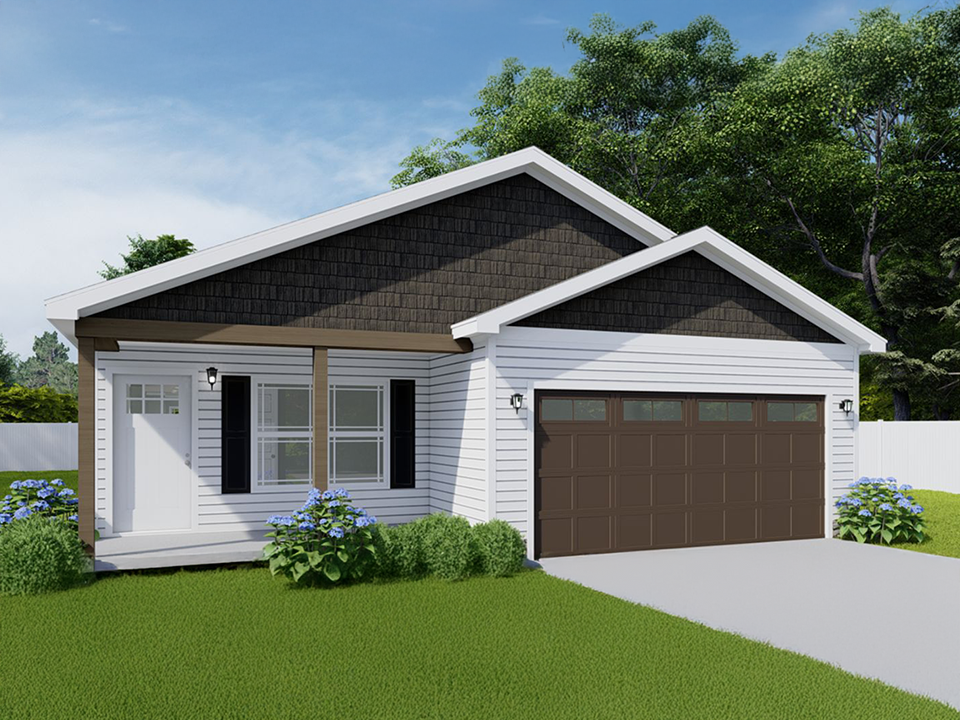
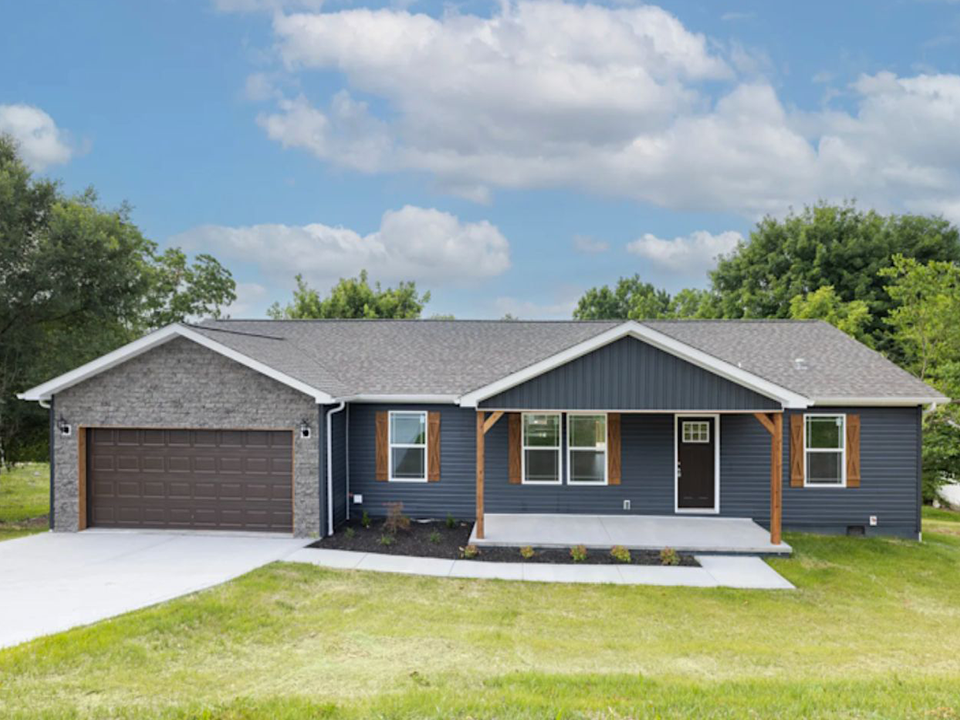
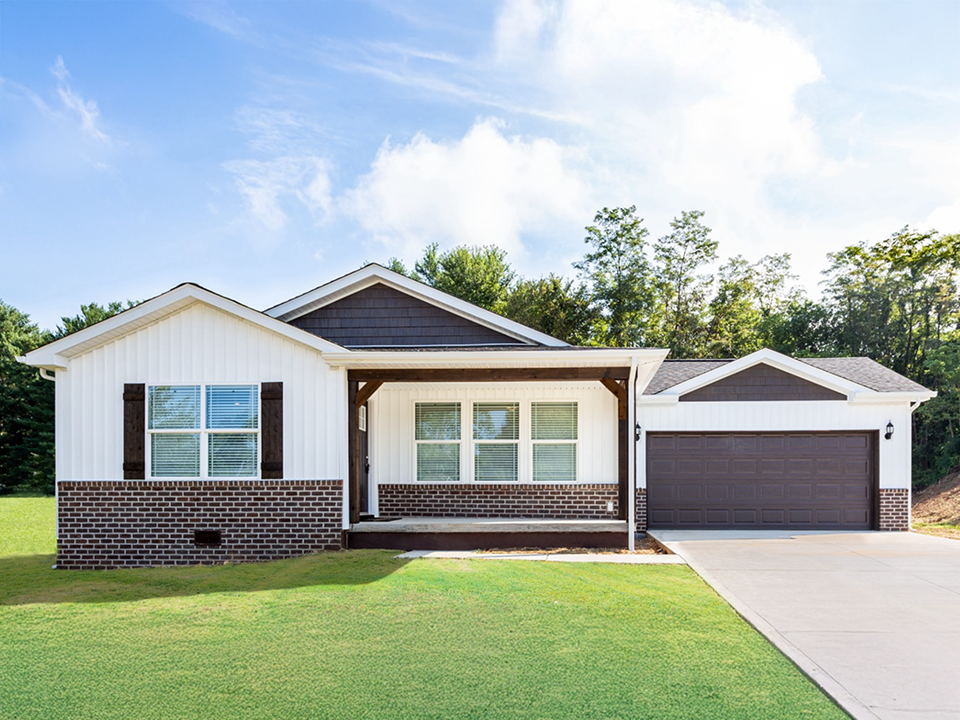
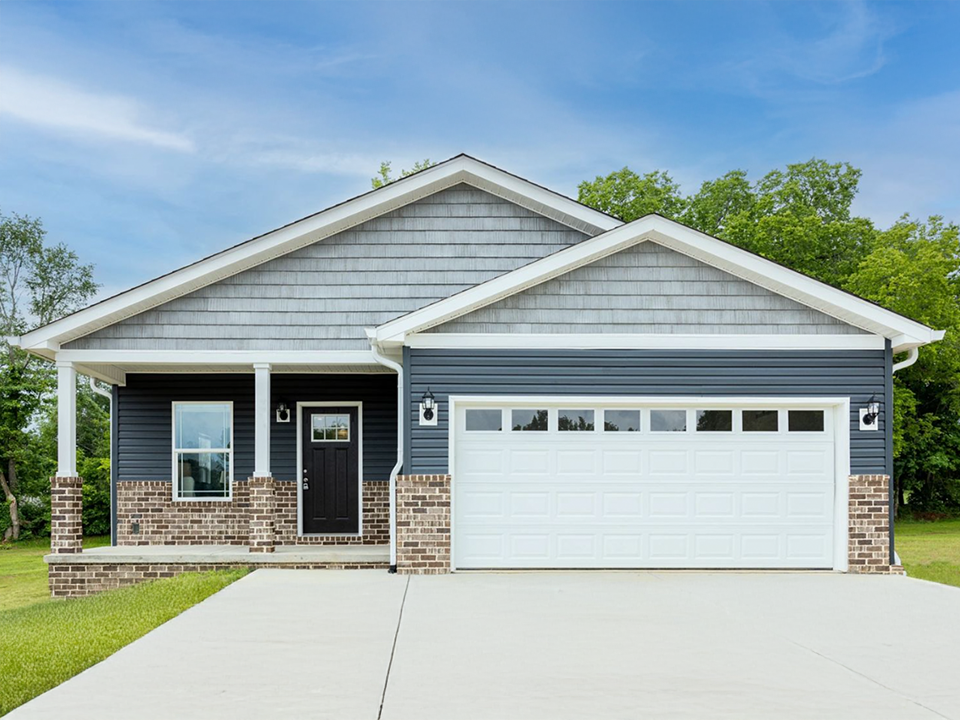
Yes. Foldum offers more than eight HUD-compliant floor plans. Because they meet strict federal HUD manufactured housing construction standards and are permanently attached to foundations, these homes qualify for 30-year conventional loans under Fannie Mae MH Advantage®, Freddie Mac CHOICEHome®, and FHA Title II programs, offering loan-to-value (LTV) ratios up to 95%.
How do Foldum Temporary Micro-Shelters solve freight and transport bottlenecks?
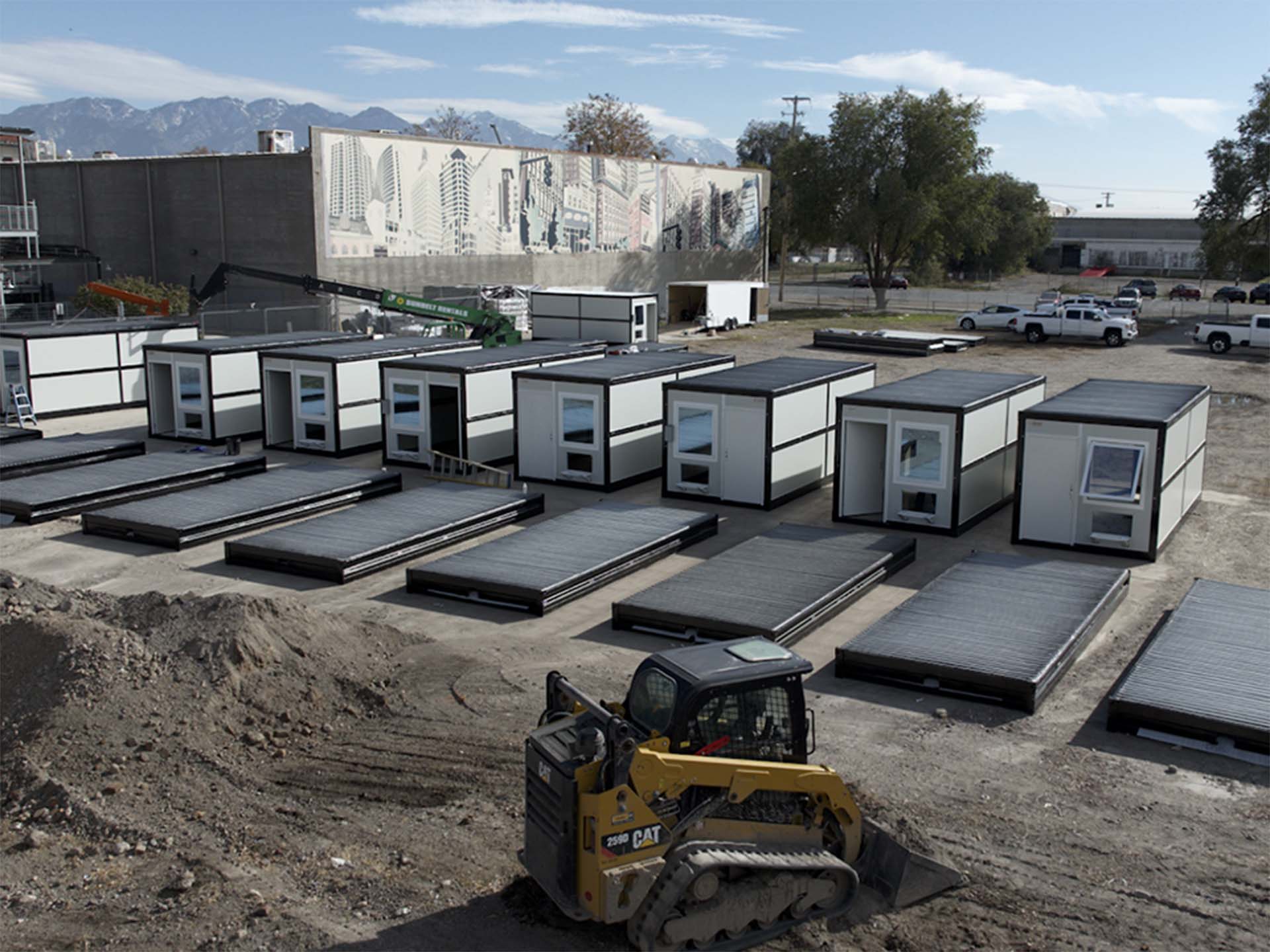
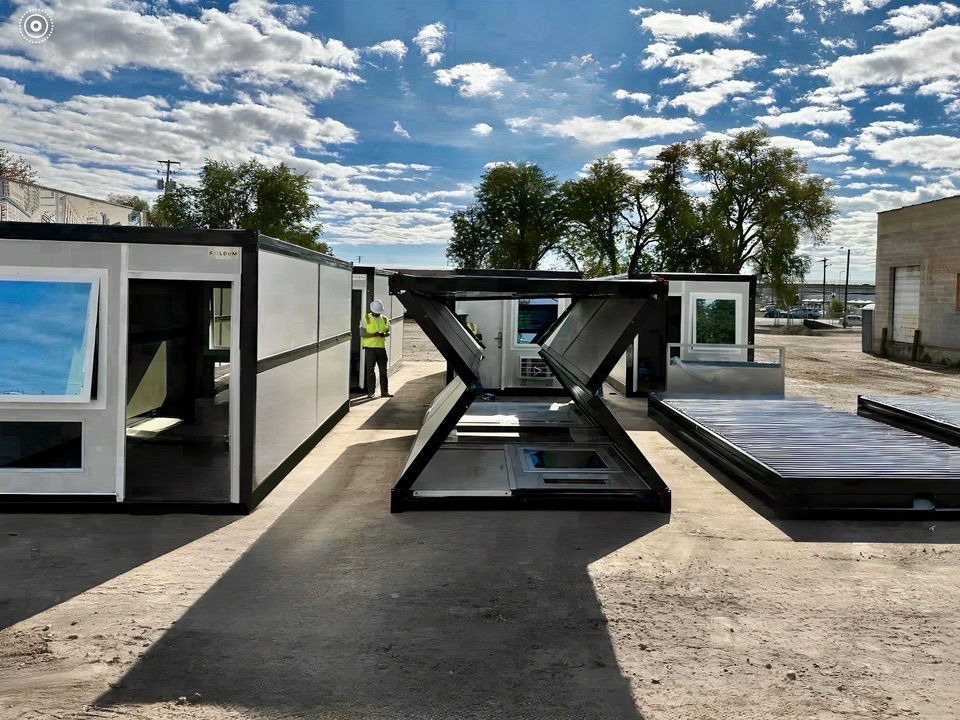
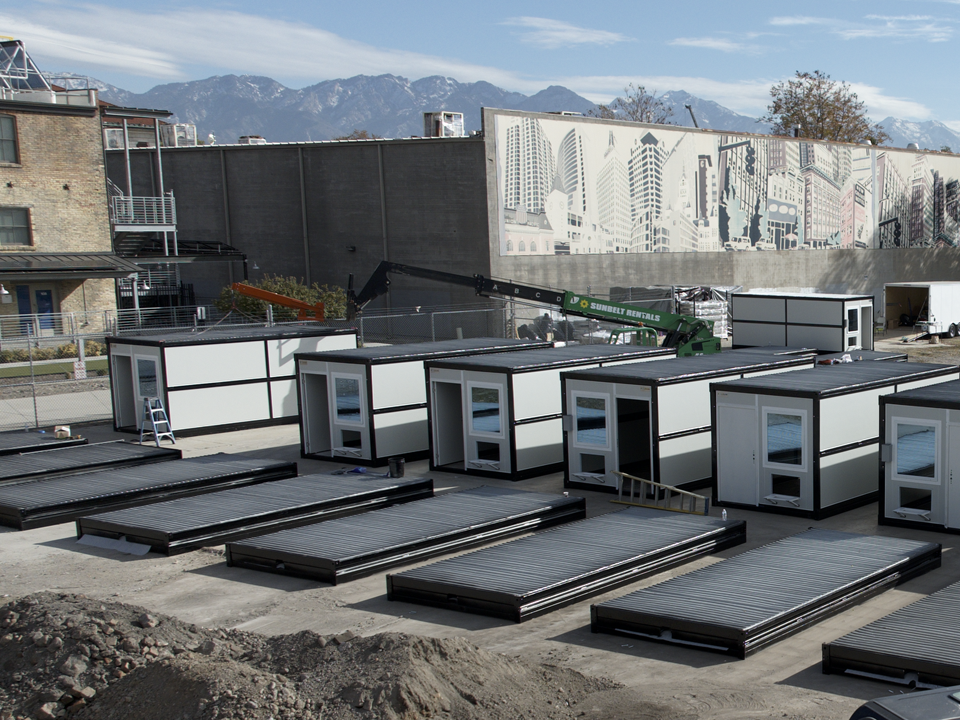
Foldum micro-shelters utilize an advanced structural steel fold-down design that flat-packs down to just 18 inches in height. This enables 10 complete, un-assembled units to be stacked and shipped on a single standard truck trailer, reducing shipping freight costs by up to 80% compared to pre-built box containers.
What fire and weather endurance ratings do Foldum micro-shelters carry?
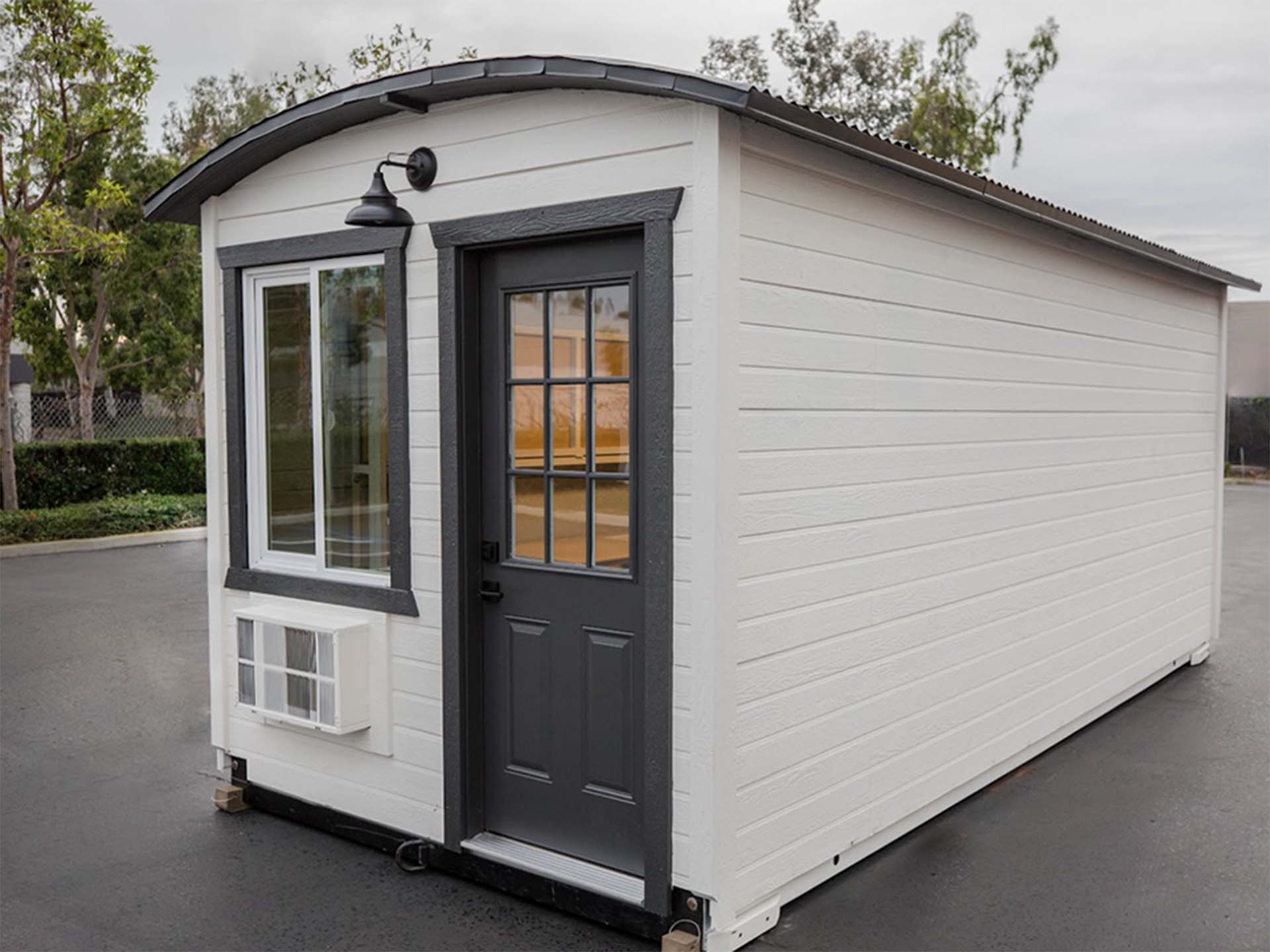
Foldum micro-shelters feature high-grade galvanized steel construction that is wind-load and earthquake-rated. The structure provides high fire resistance rated up to 1,400°F (760°C), while resisting mold, rot, and microbial growth. They are backed by a comprehensive 10-year structural warranty.
Can Foldum transitional units operate off-grid in remote or devastated areas?
Yes. Foldum units are designed for dual-mode operation. They come equipped for fast plug-and-play municipal utility connections, but can also operate completely off-grid when paired with localized solar PV systems, battery banks, and graywater holding tanks. In addition, when removed, they leave zero environmental footprint on the host land parcel.
What floor plans are available for permanent housing development Tenders?
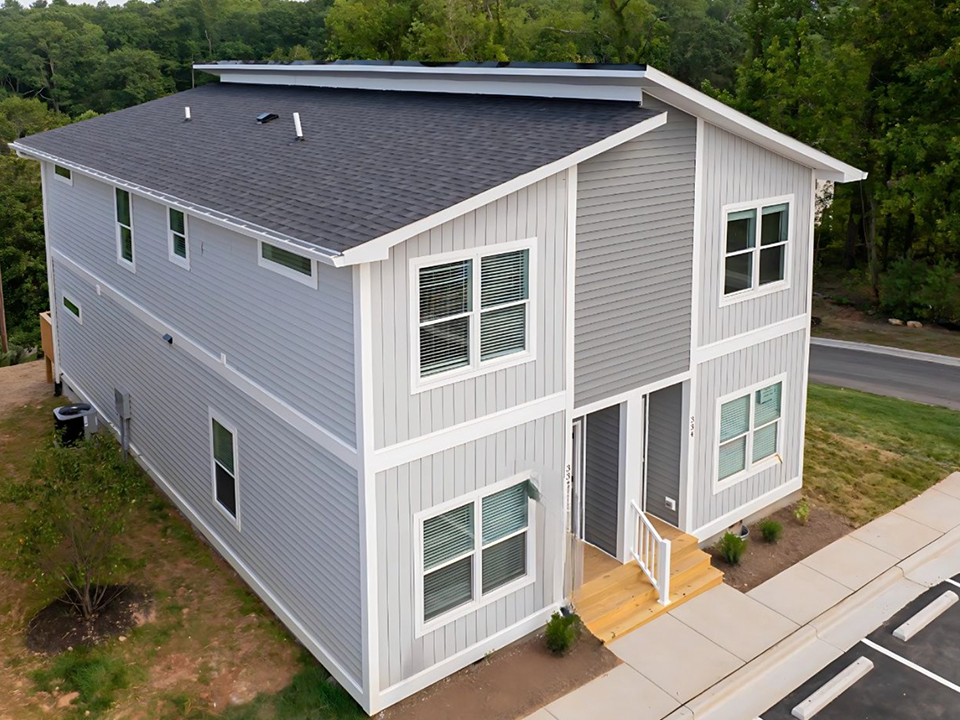
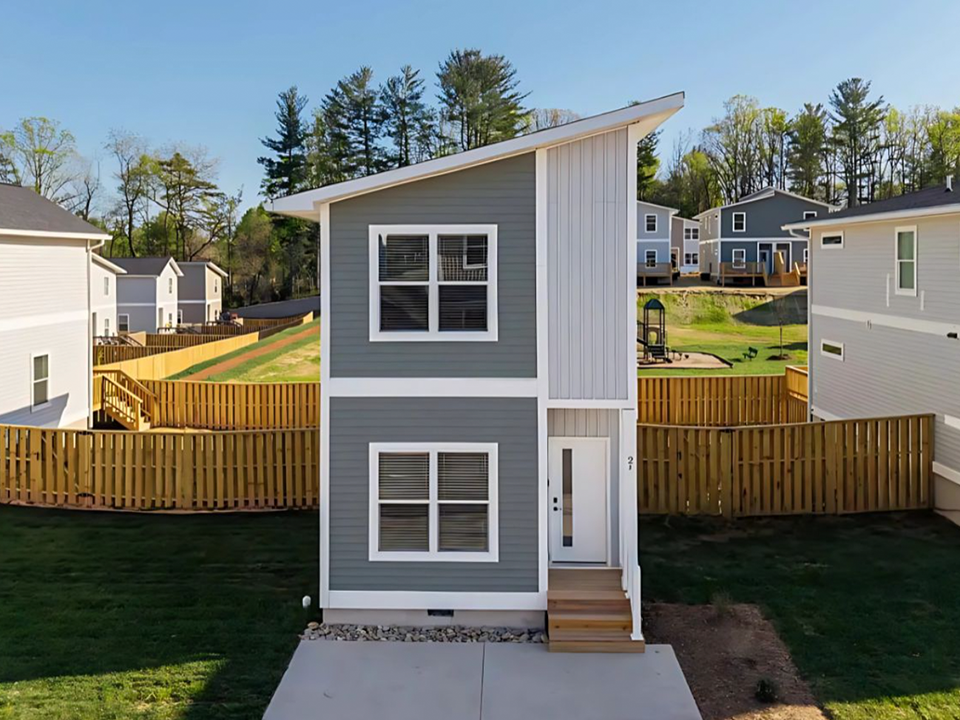
Foldum manufactures a wide selection of HUD-compliant floor plans tailored for varying density requirements, including single-family layouts and multi-family duplex options: The Altra, The Briza, The Coro, The Endra, The Loftin, The Loftin Duplex, The Moro, The Noa, The Rivo, and The Vara.
How does the 70% off-site / 30% on-site construction model benefit city budgets?
Building 70% of the home in an automated factory environment drastically reduces labor costs, material waste, weather delays, and site disruption. The remaining 30% allows local contractors to execute site utilities, foundations, and final roofing/exterior joins, ensuring fast project completion while retaining local economic participation.
How can municipal procurement teams request quotes or submit RFPs to Foldum Corp.?
Procurement officers and housing project engineers can click the inquiry button below or contact our Oceanside, CA headquarters directly at
[email protected] or +1-800-578-0596. Our technical team provides tailored CAD drawings, specification packages, lead-time estimates, and volume pricing for municipal tenders.